EMBRACE HONORS HARRY HOM DOW
INAUGURAL AANHPI 2026 PROGRAM: CARRY IT FORWARD
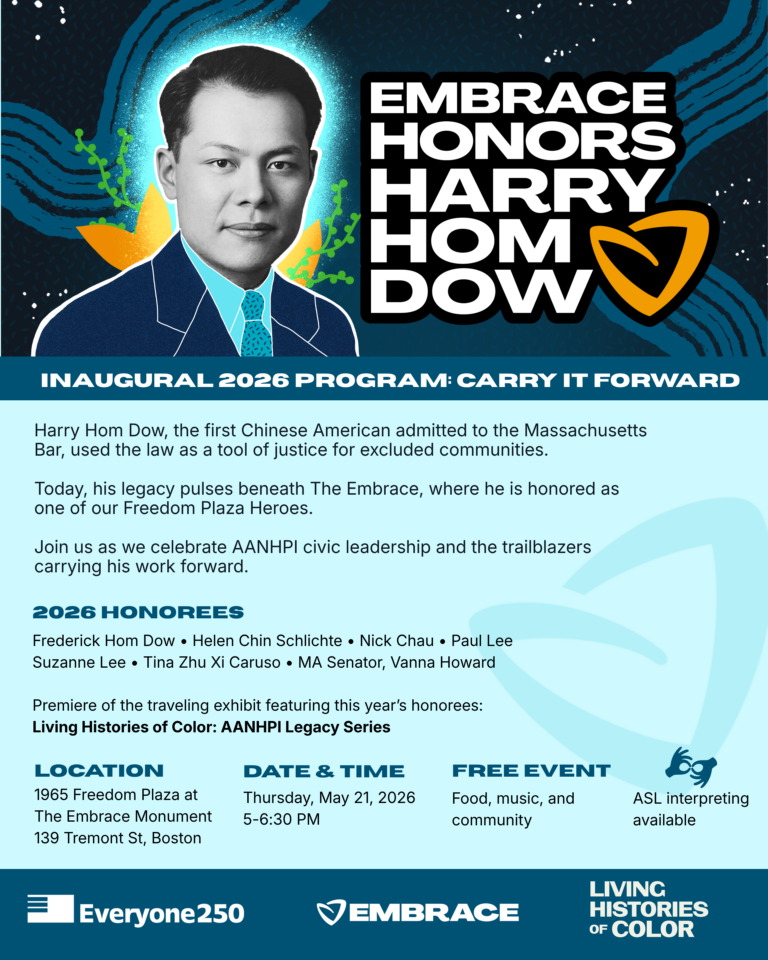
This inaugural event honored the legacy of Harry Hom Dow, who used the law as a tool of liberation for those the system was designed to exclude. Harry Dow is one of 69 Freedom Heroes memorialized at the 1965 Freedom Plaza.
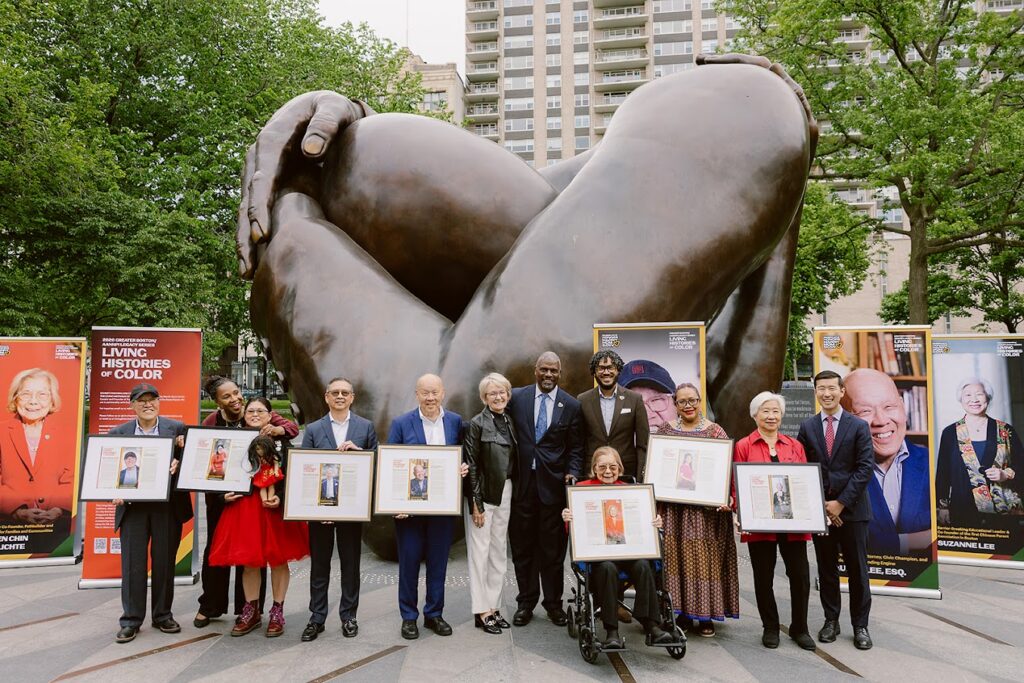
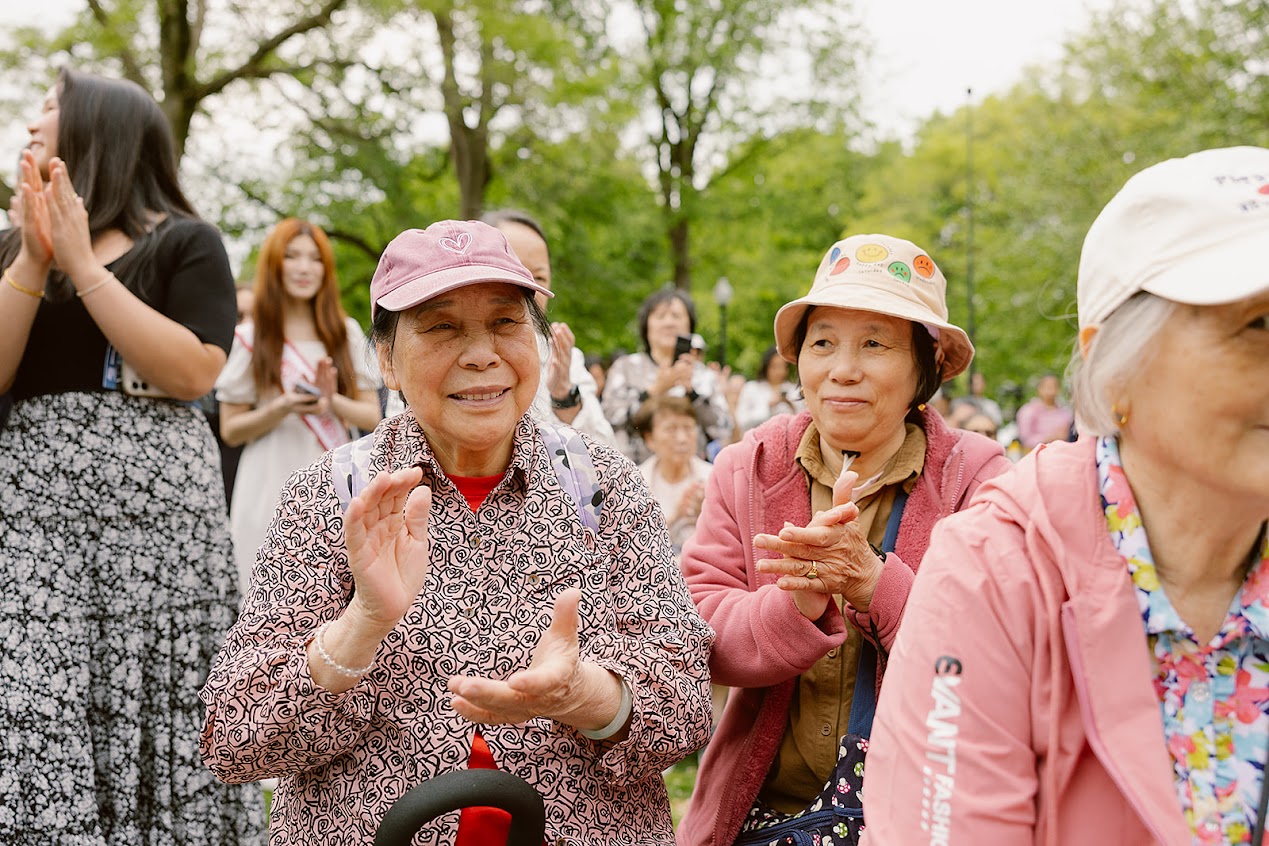
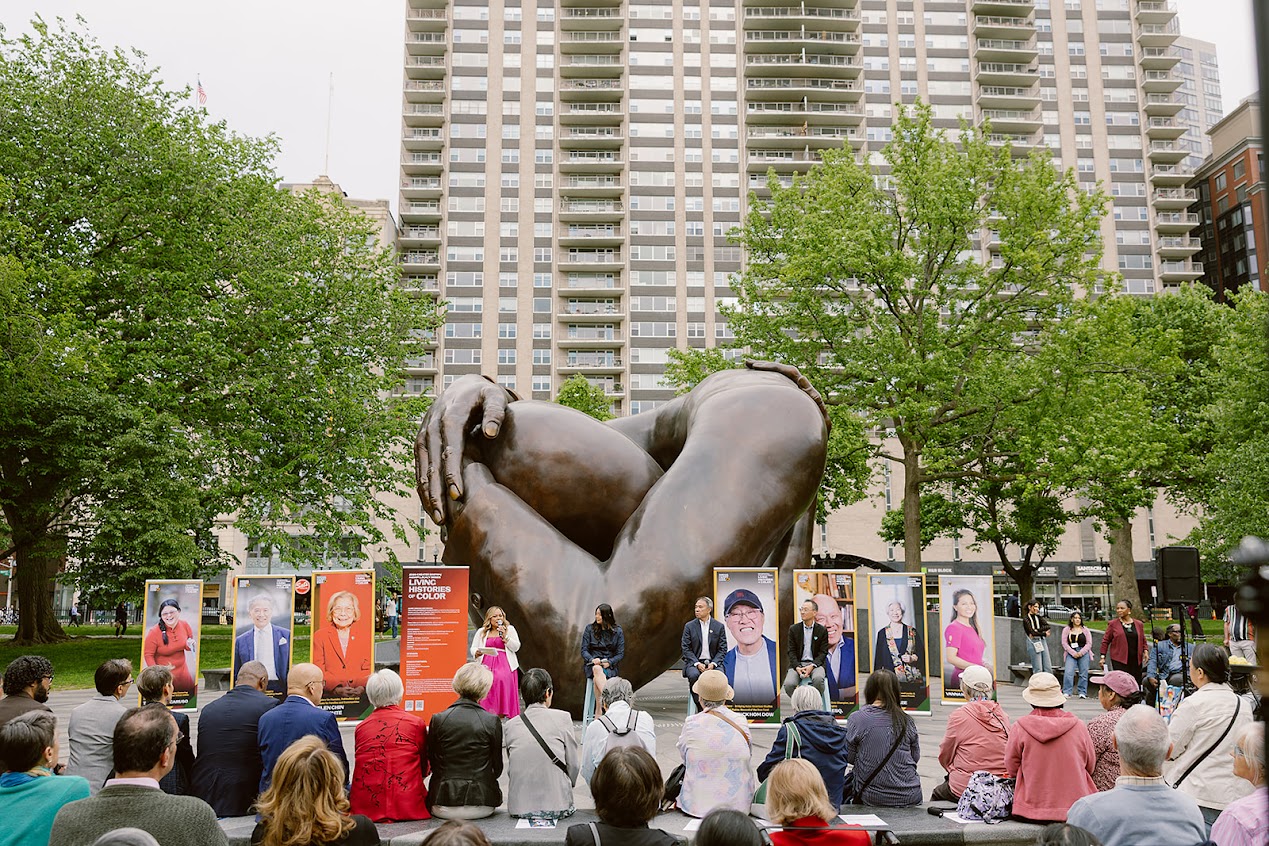
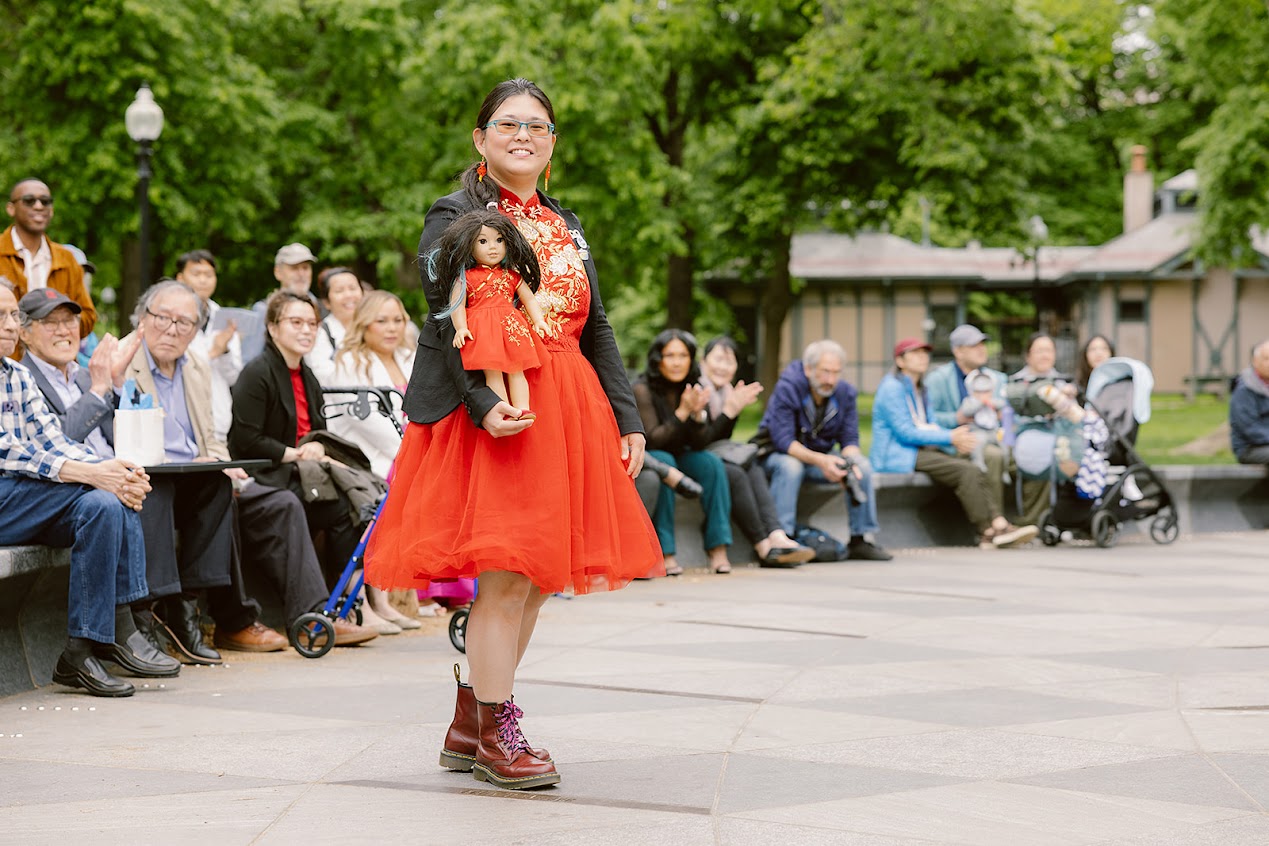
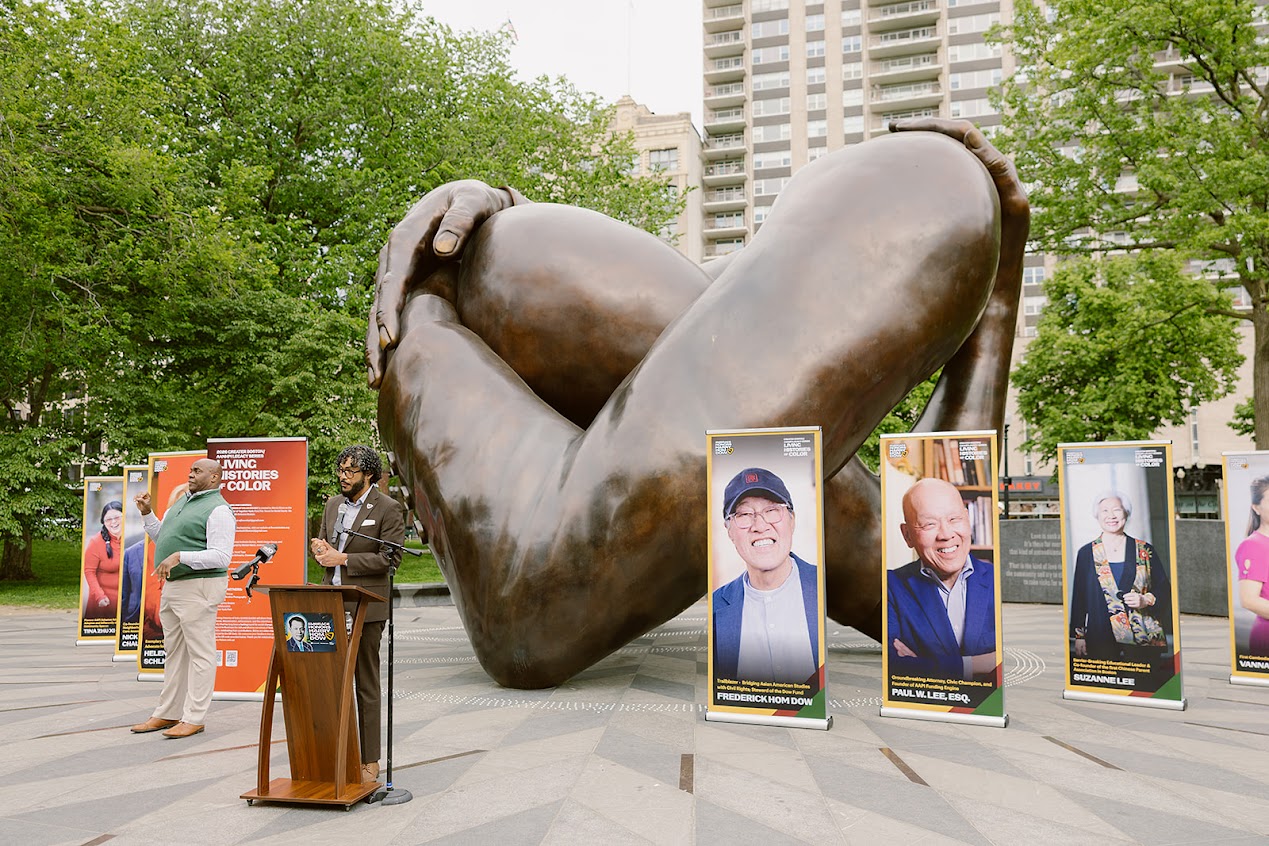
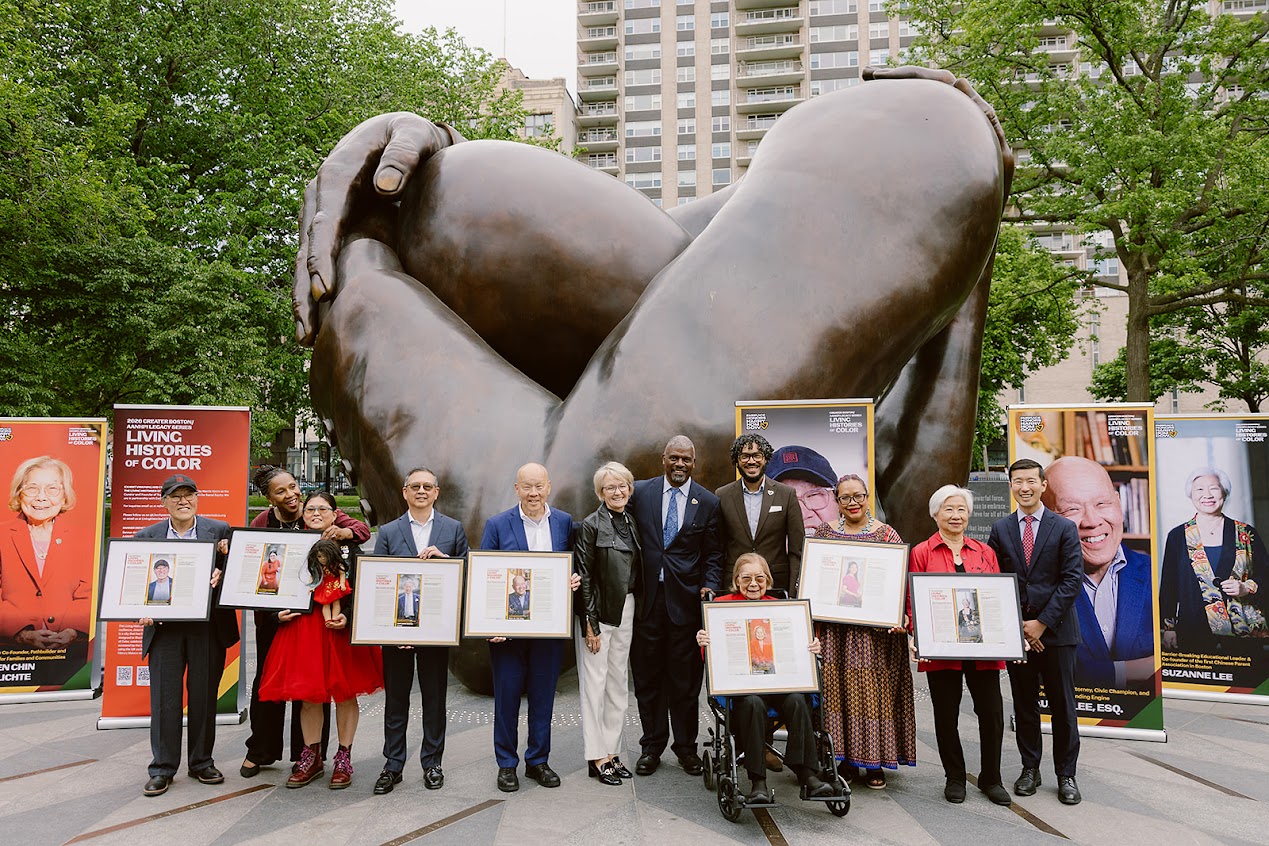
During the event, Embrace recognized Asian American, Native Hawaiian, and Pacific Islander leaders who were nominated and selected for their civic contributions, community building, and intergenerational impact. Collectively, the honorees reflected a community in motion, a composite image of what AANHPI civic life in Boston looks like across generations, professions, and communities.
2026 Honorees
Frederick Hom Dow · Helen Chin Schlichte · Nick Chau · Paul Lee · Suzanne Lee · Tina Zhu Xi Caruso · Massachusetts State Senator Vanna Howard
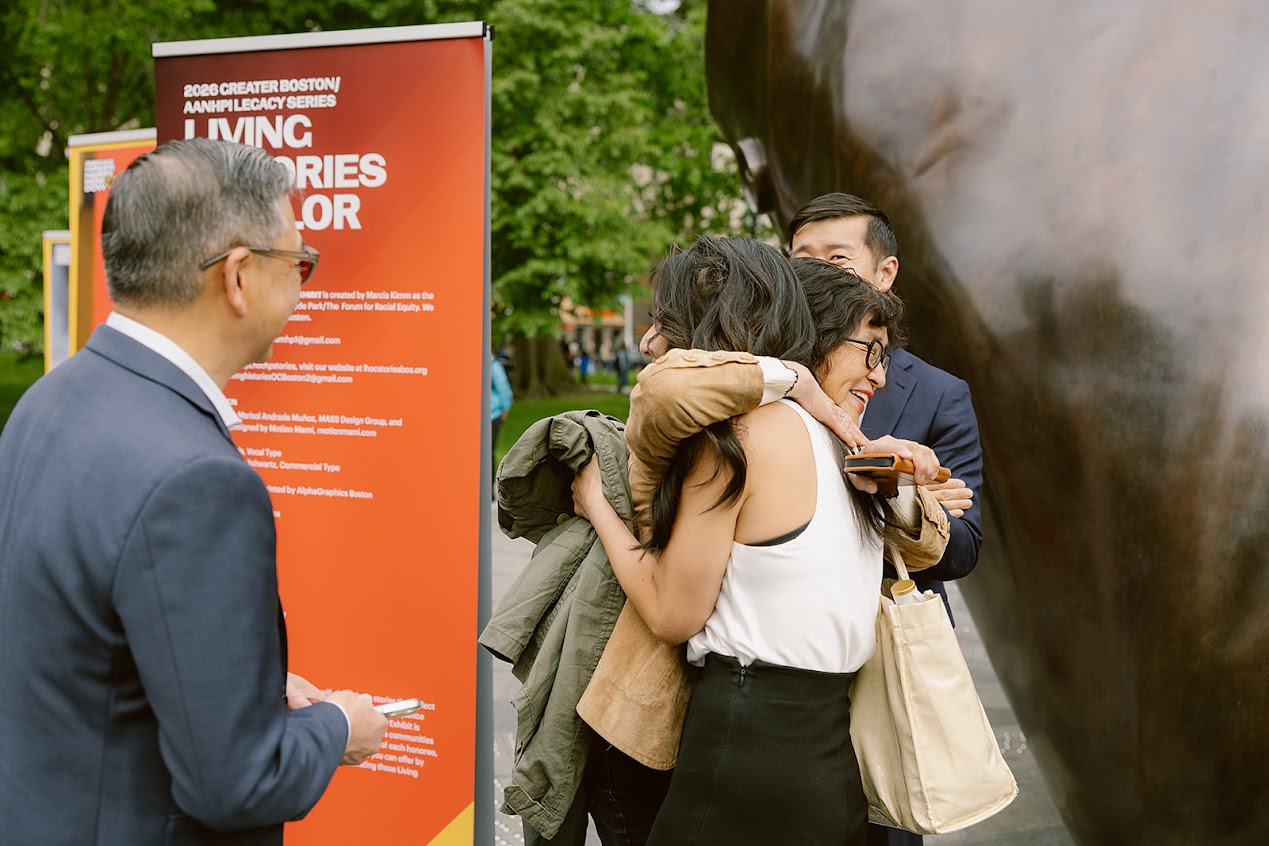
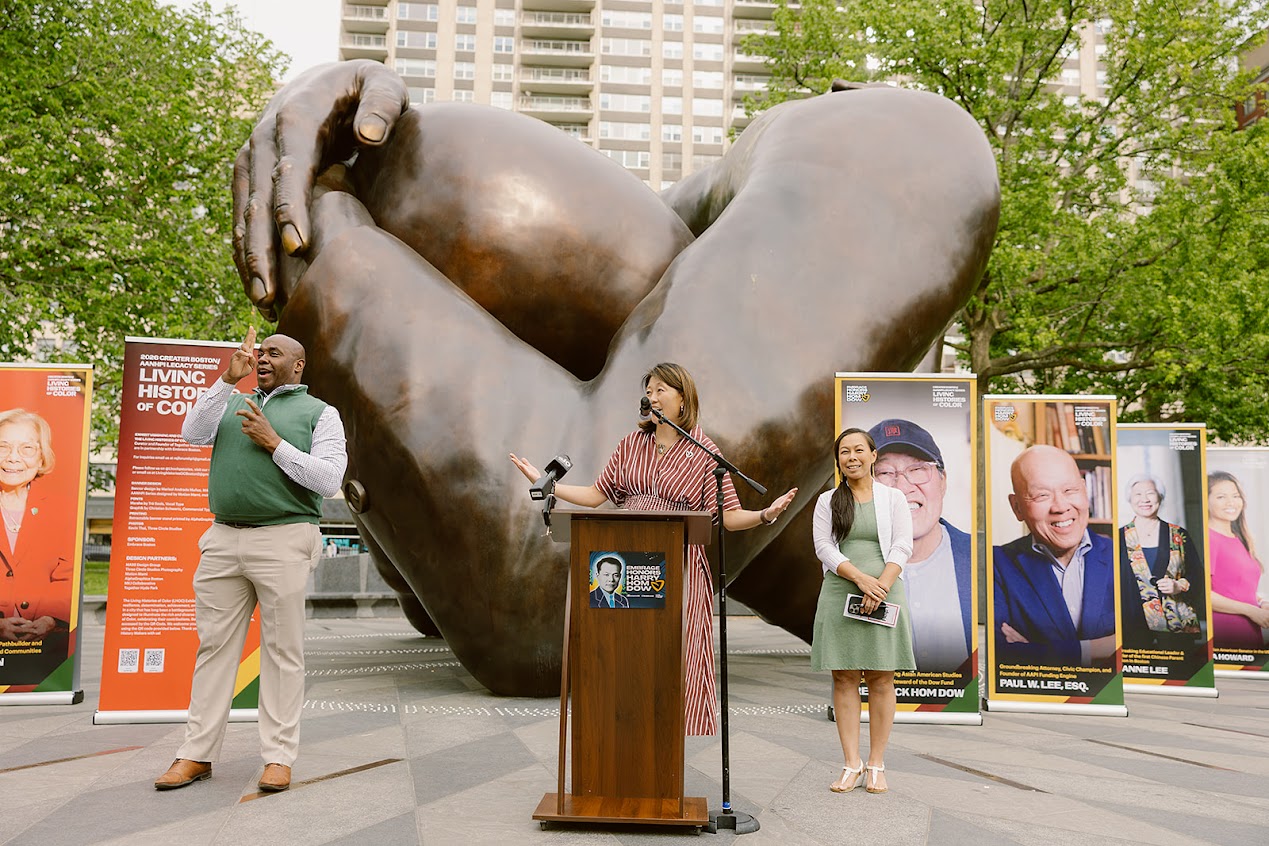
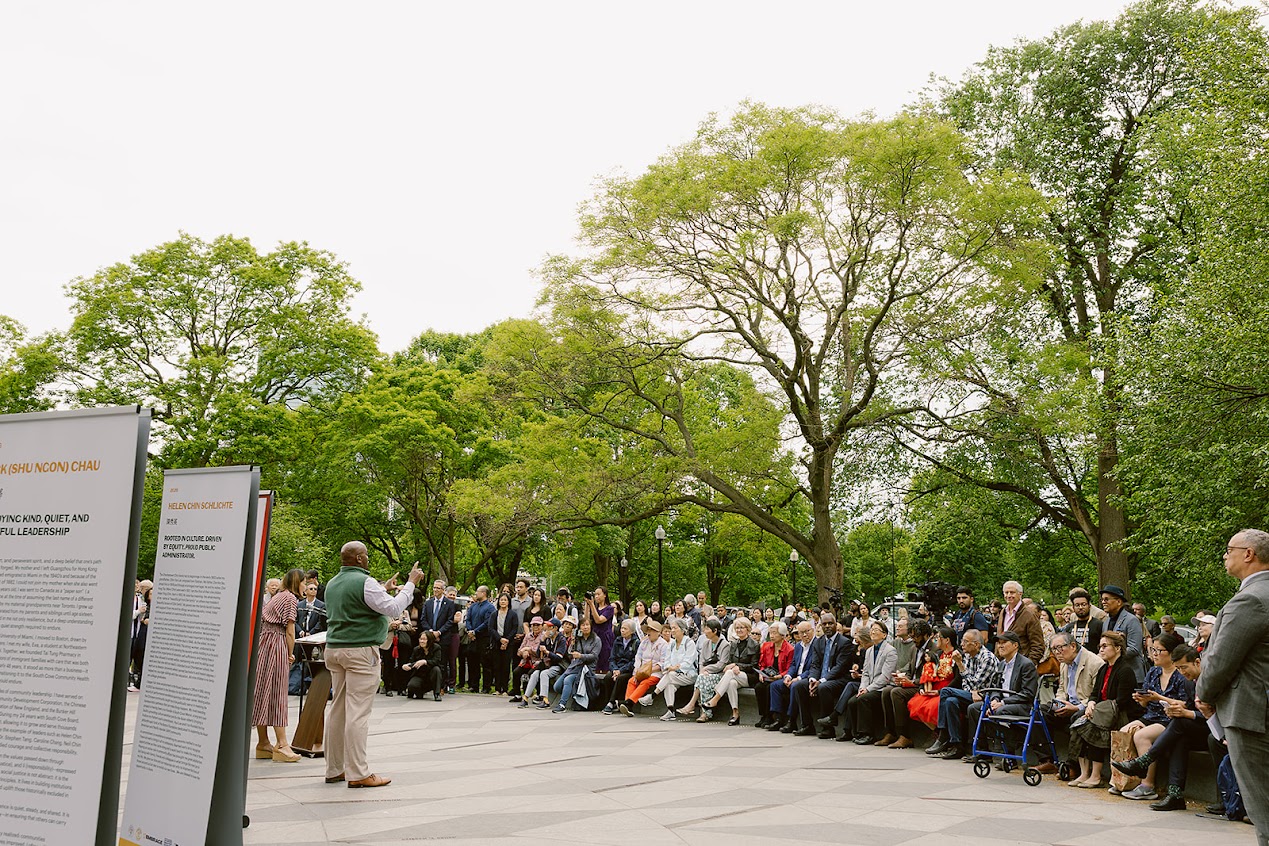
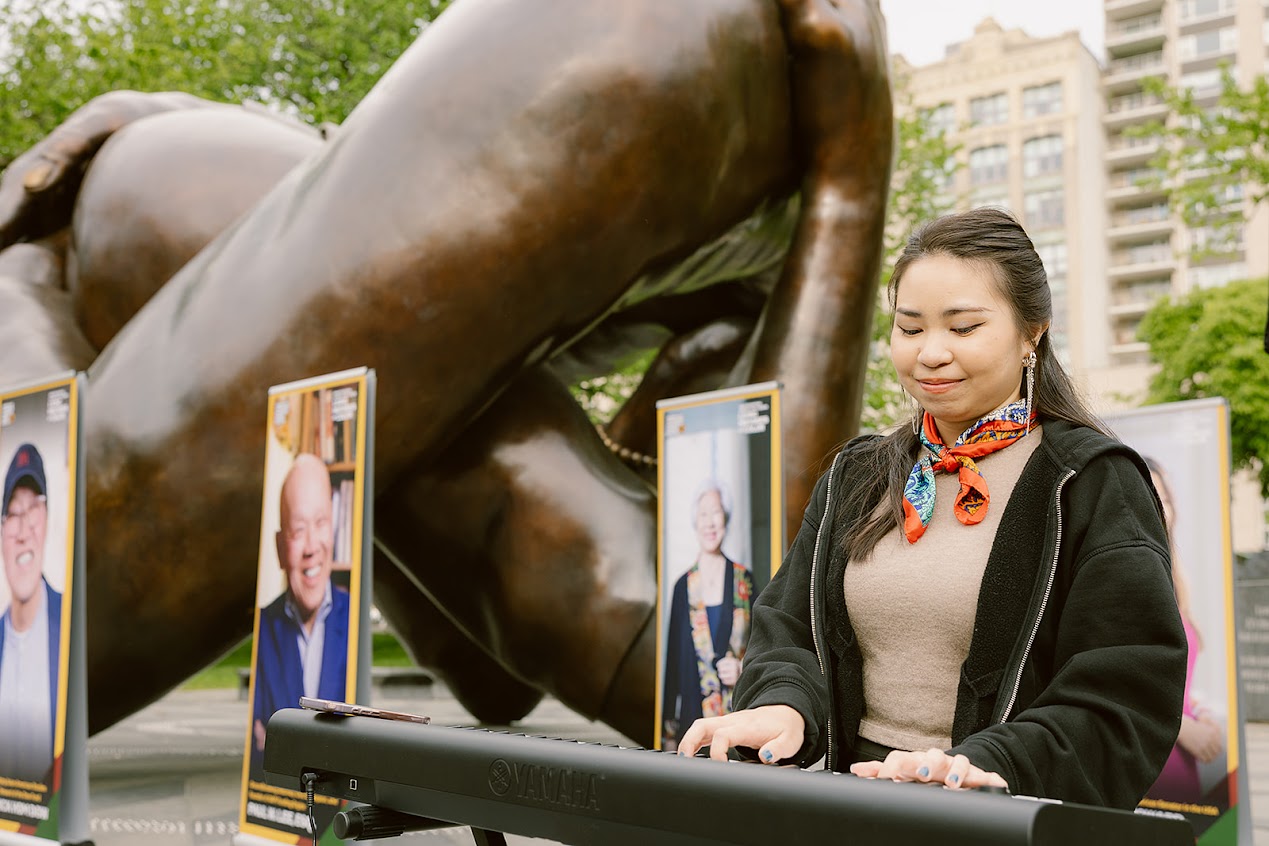
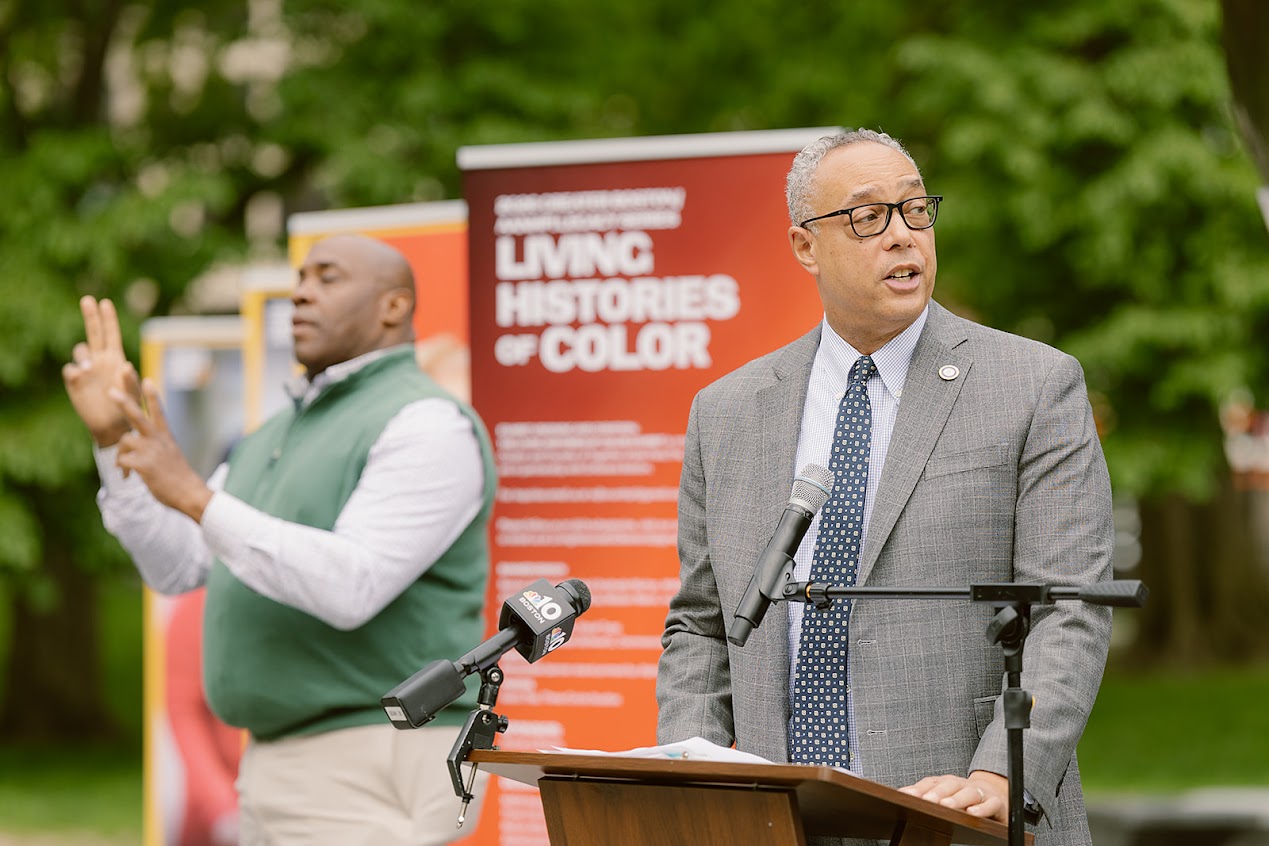
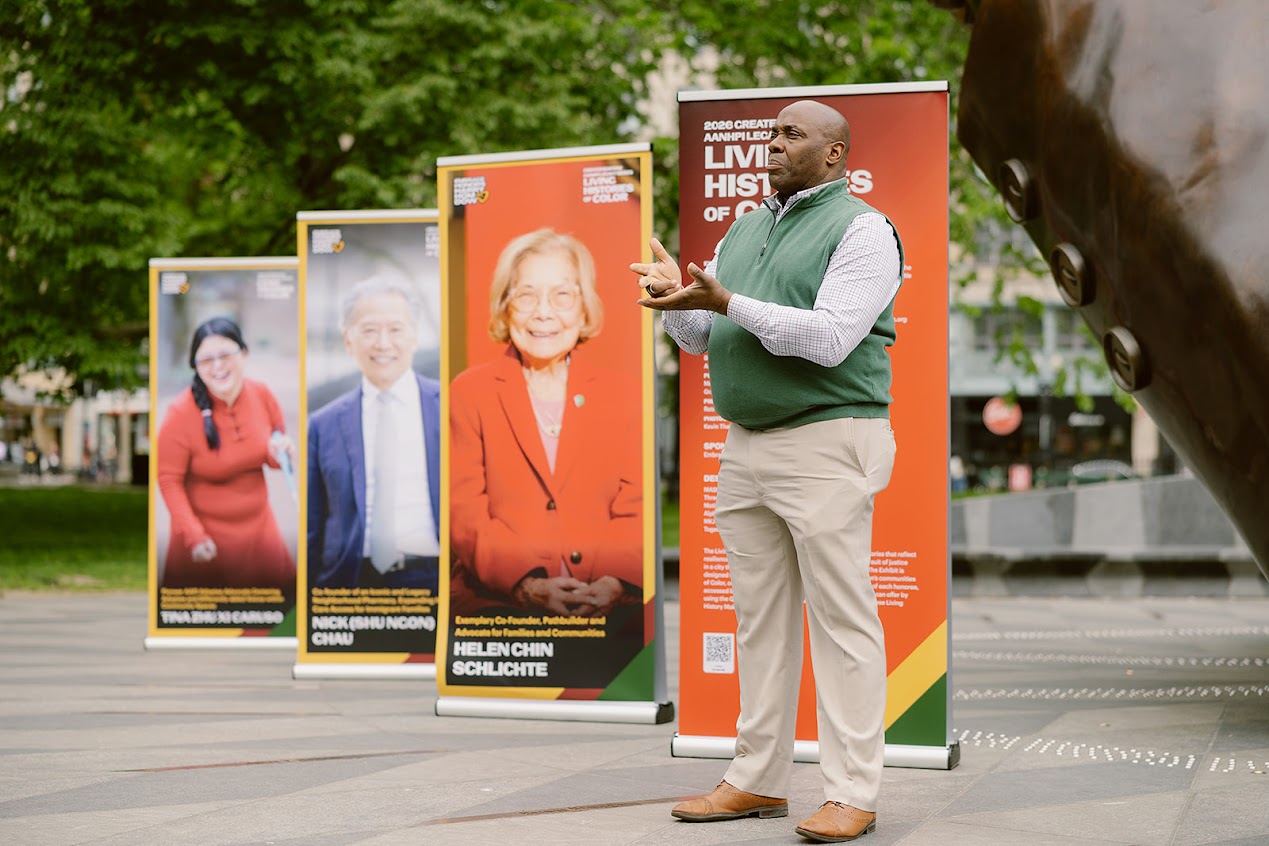
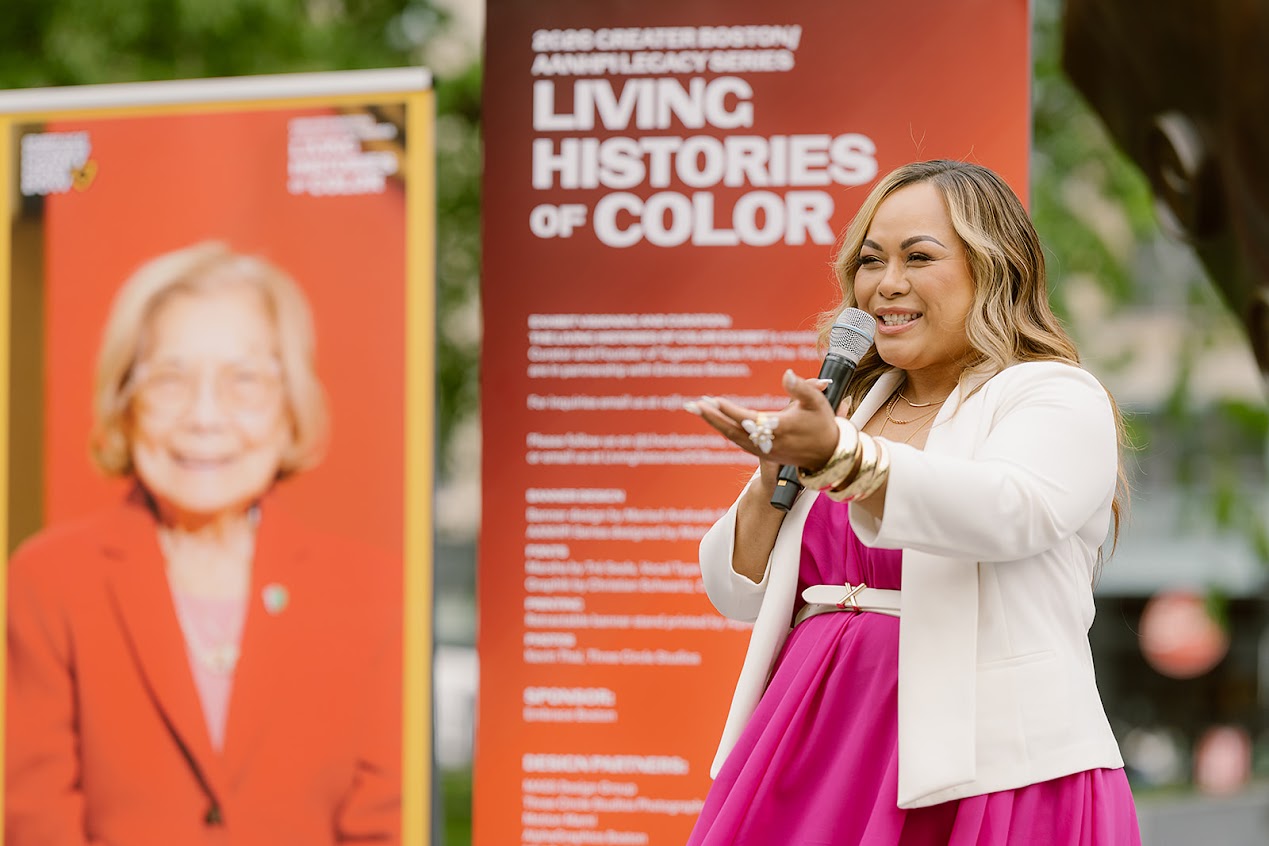
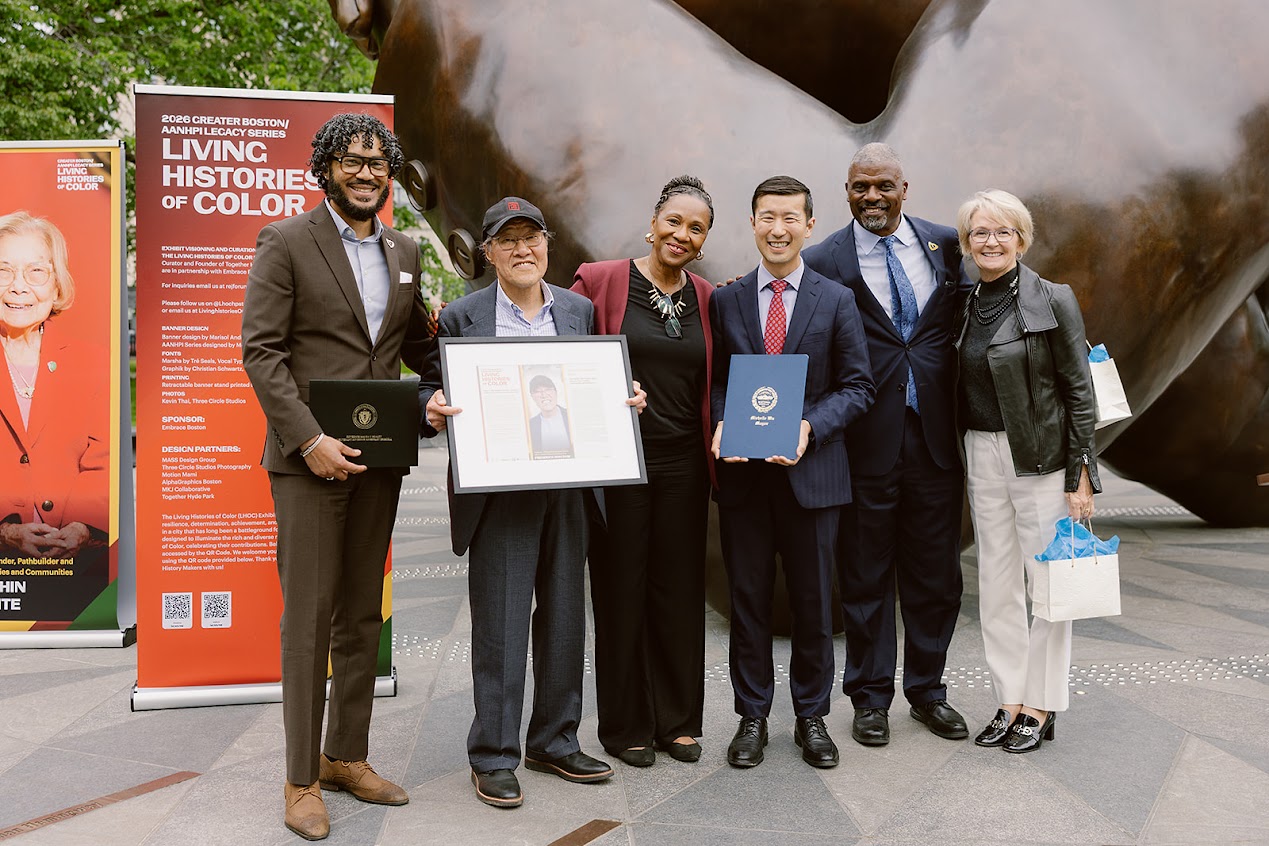
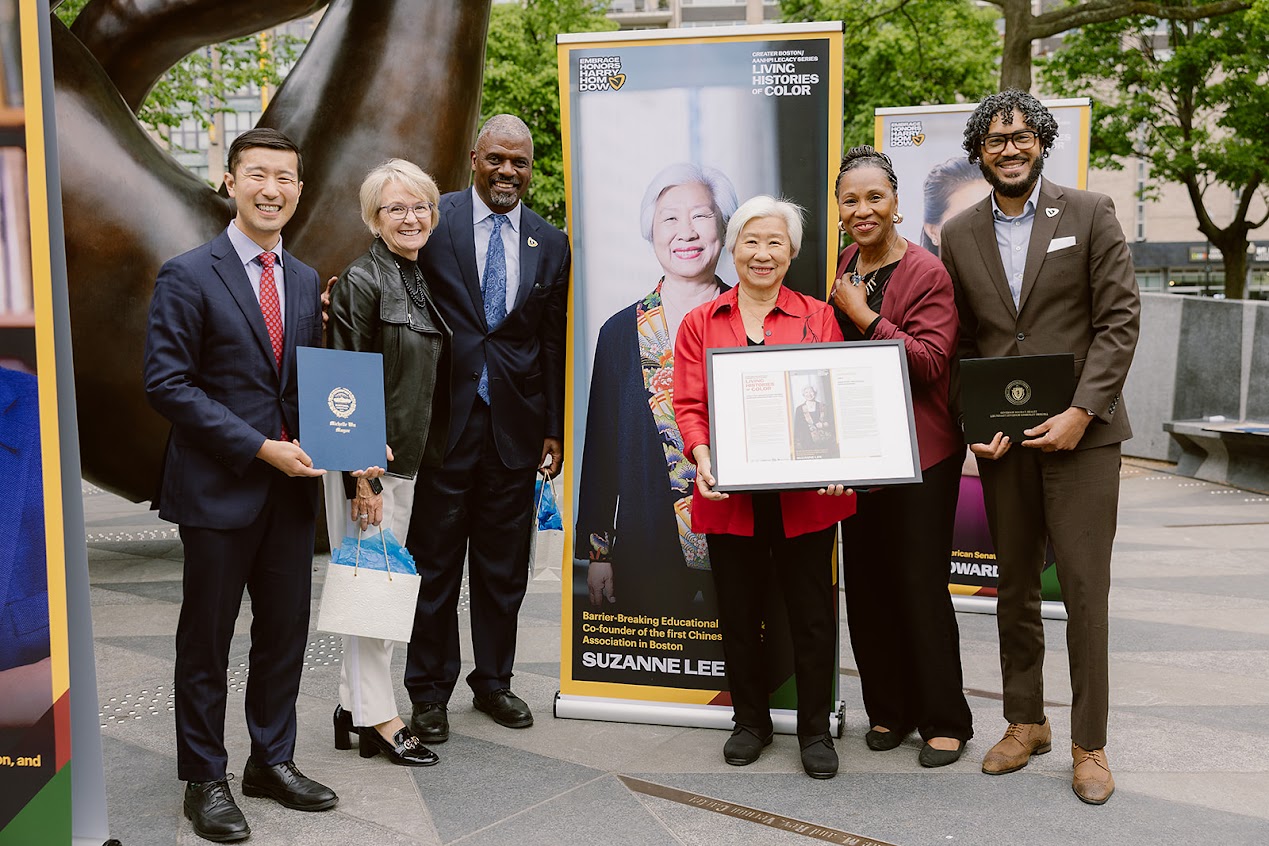
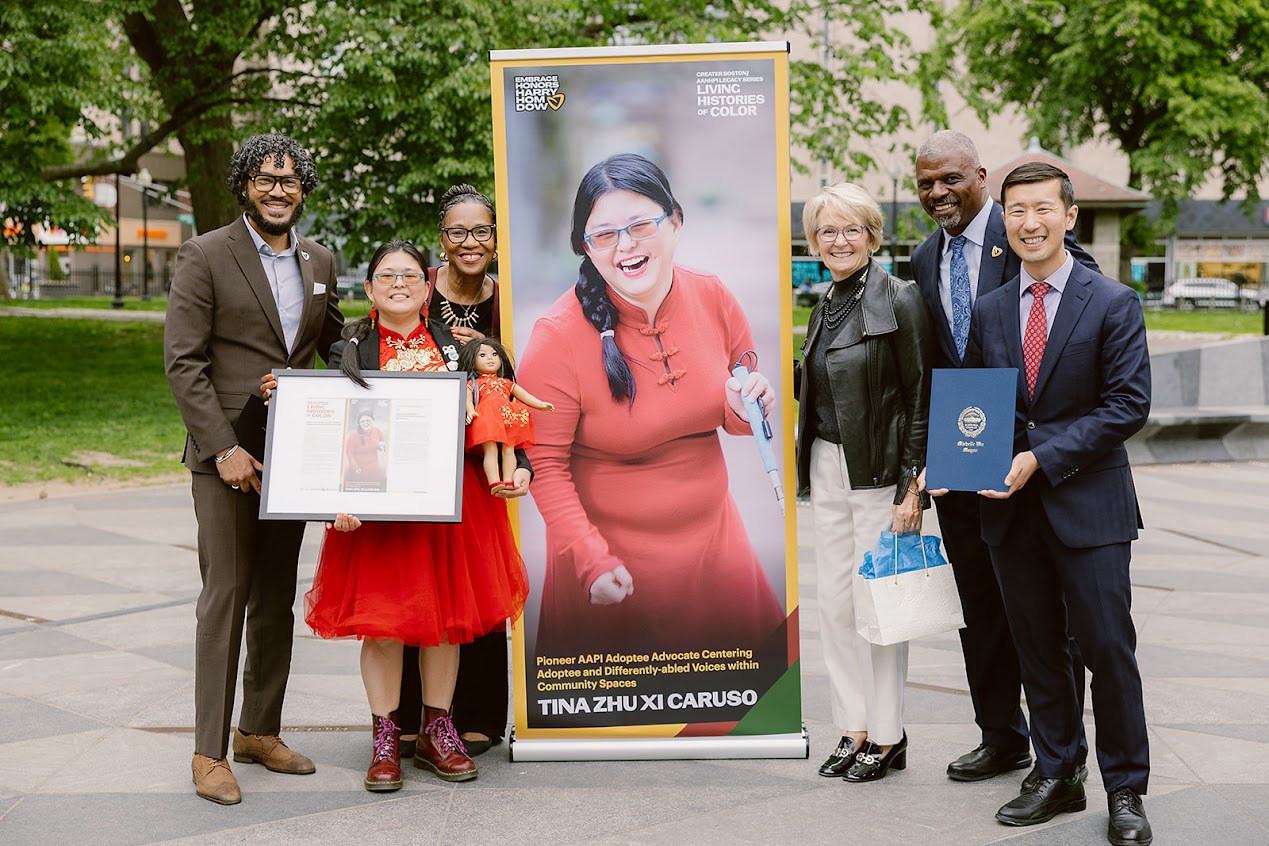
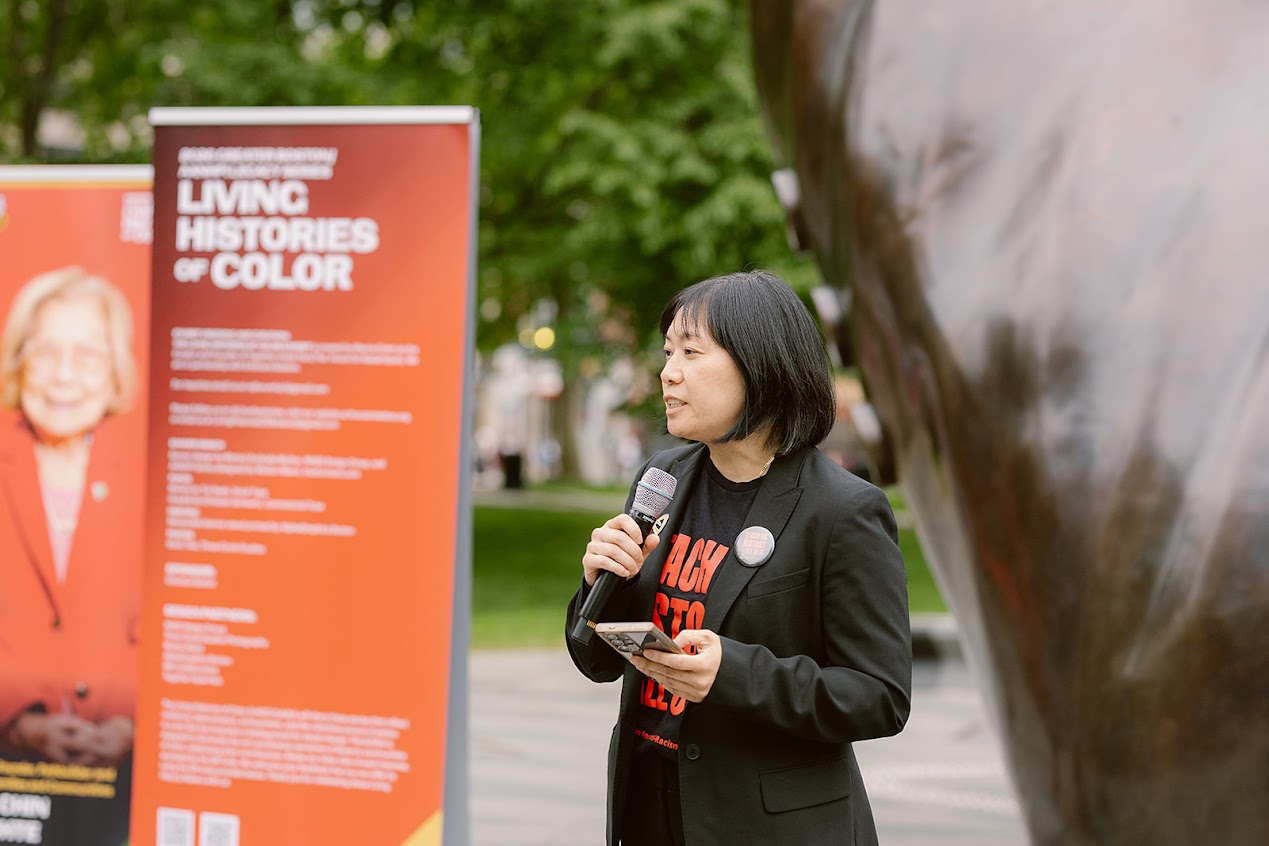
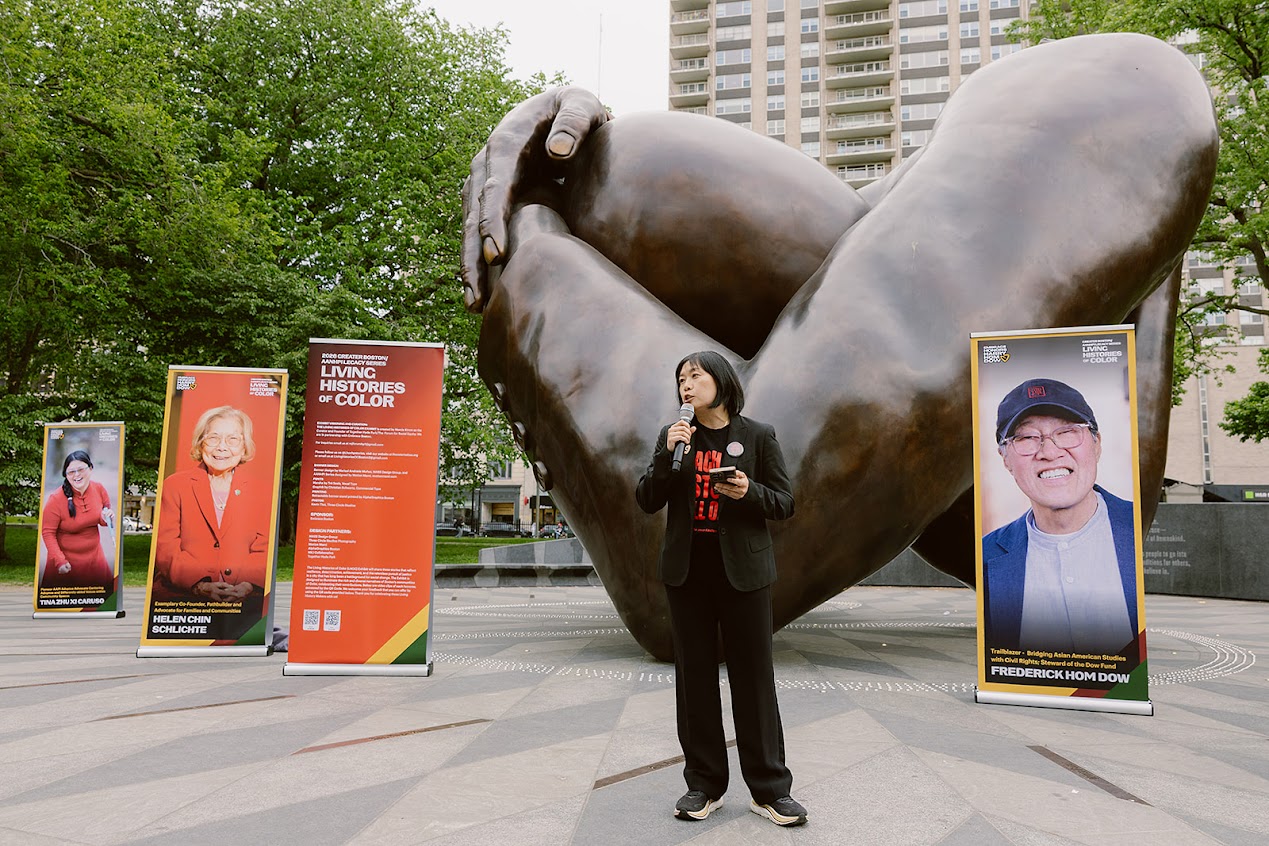
The event also marked the premiere of Living Histories of Color: AANHPI Legacy Series, a traveling exhibit curated by Embrace Artist-in-Residence Marcia Kimm-Jackson. The exhibit features the stories of this year’s honorees and will continue to travel to communities beyond its debut on May 21.
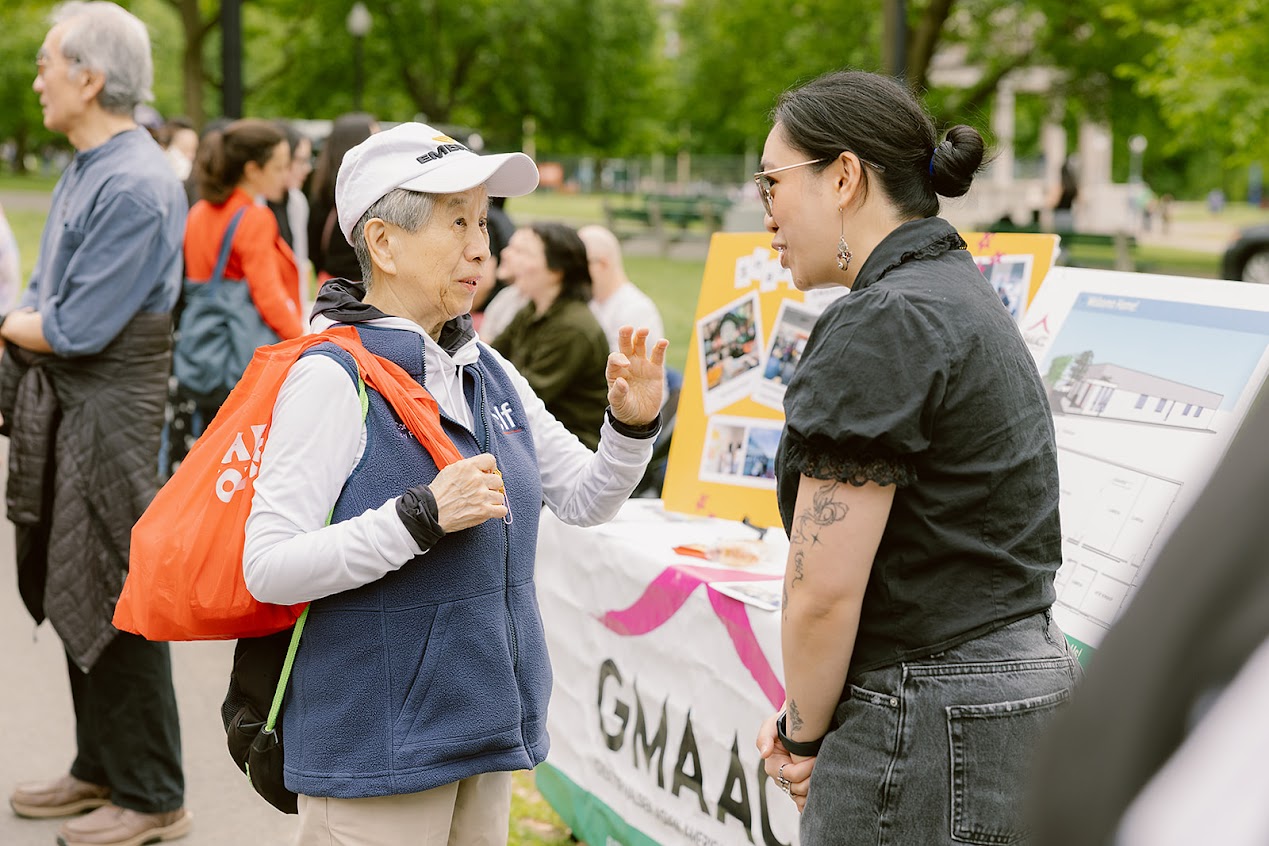
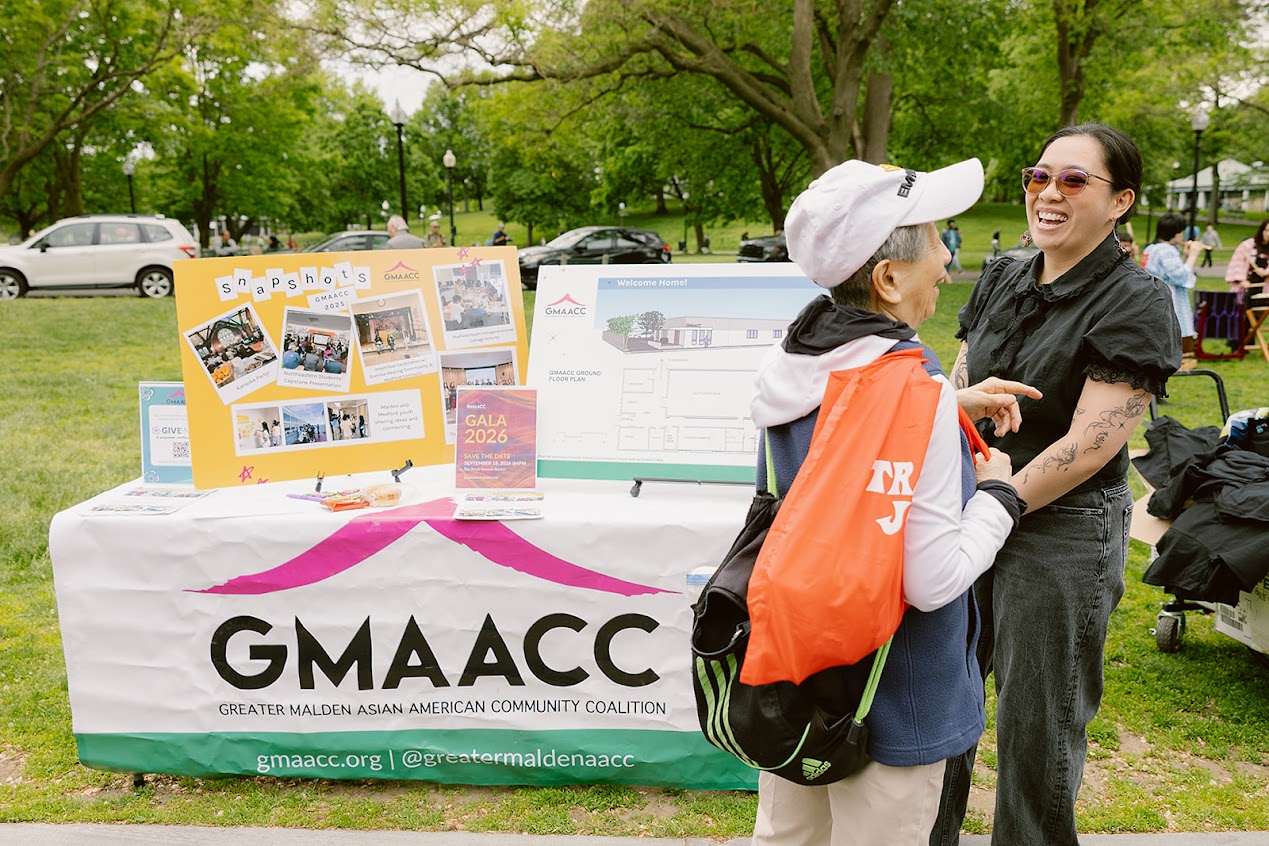
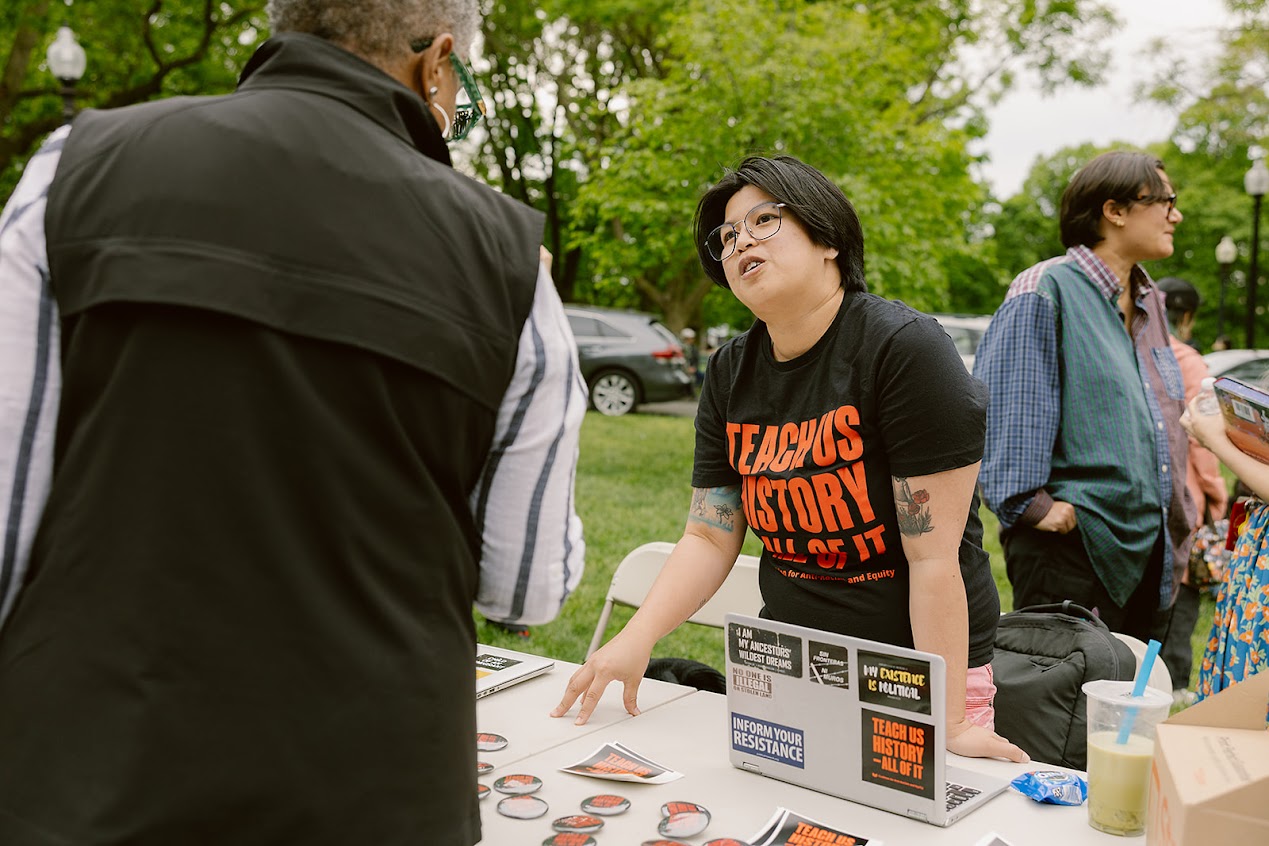
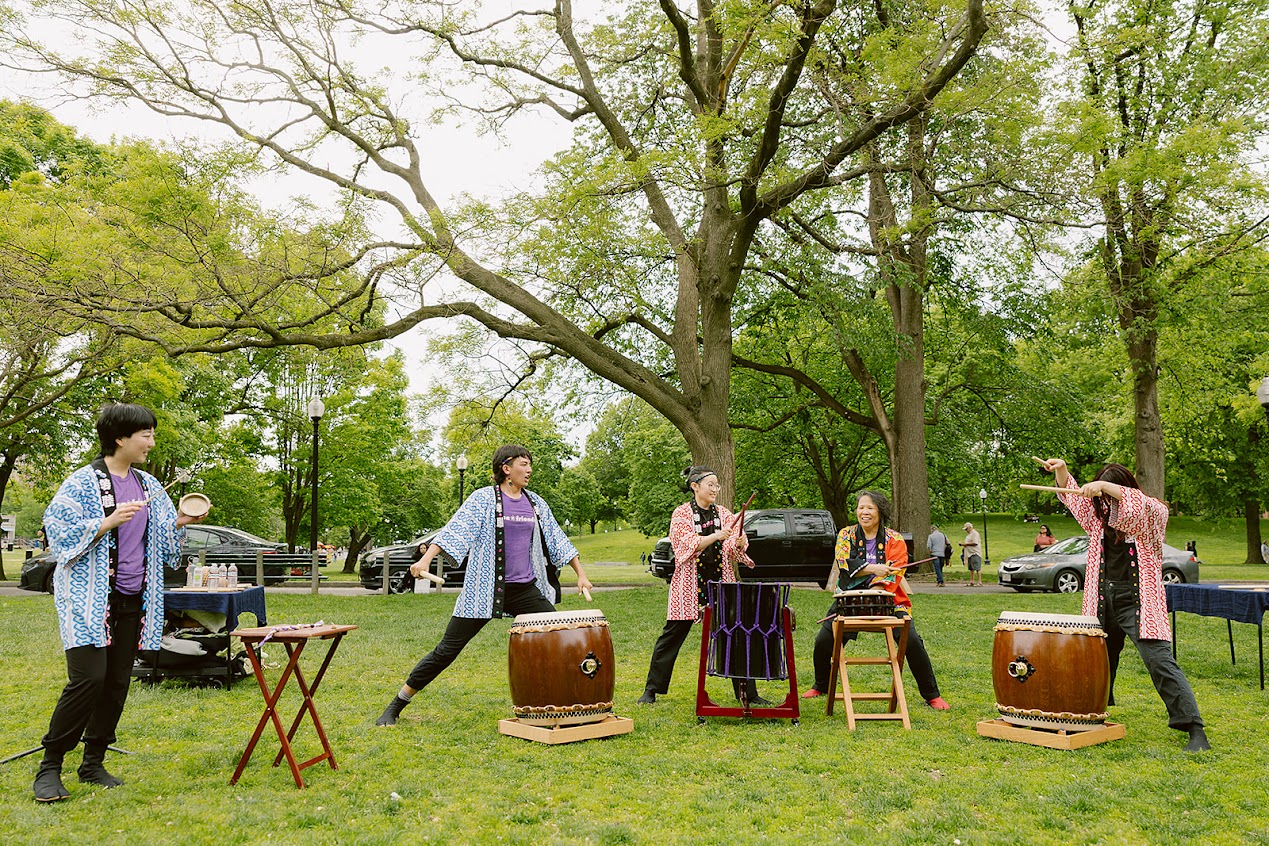
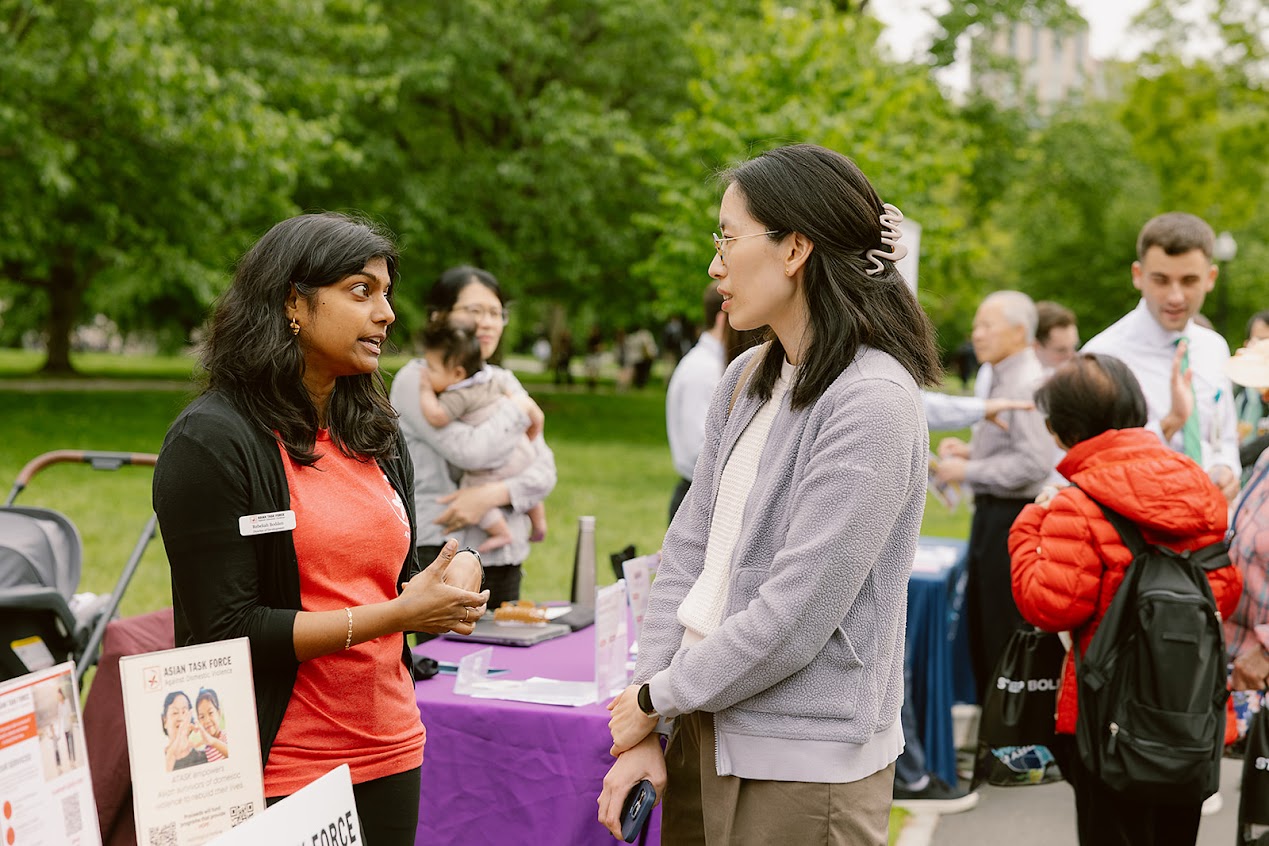
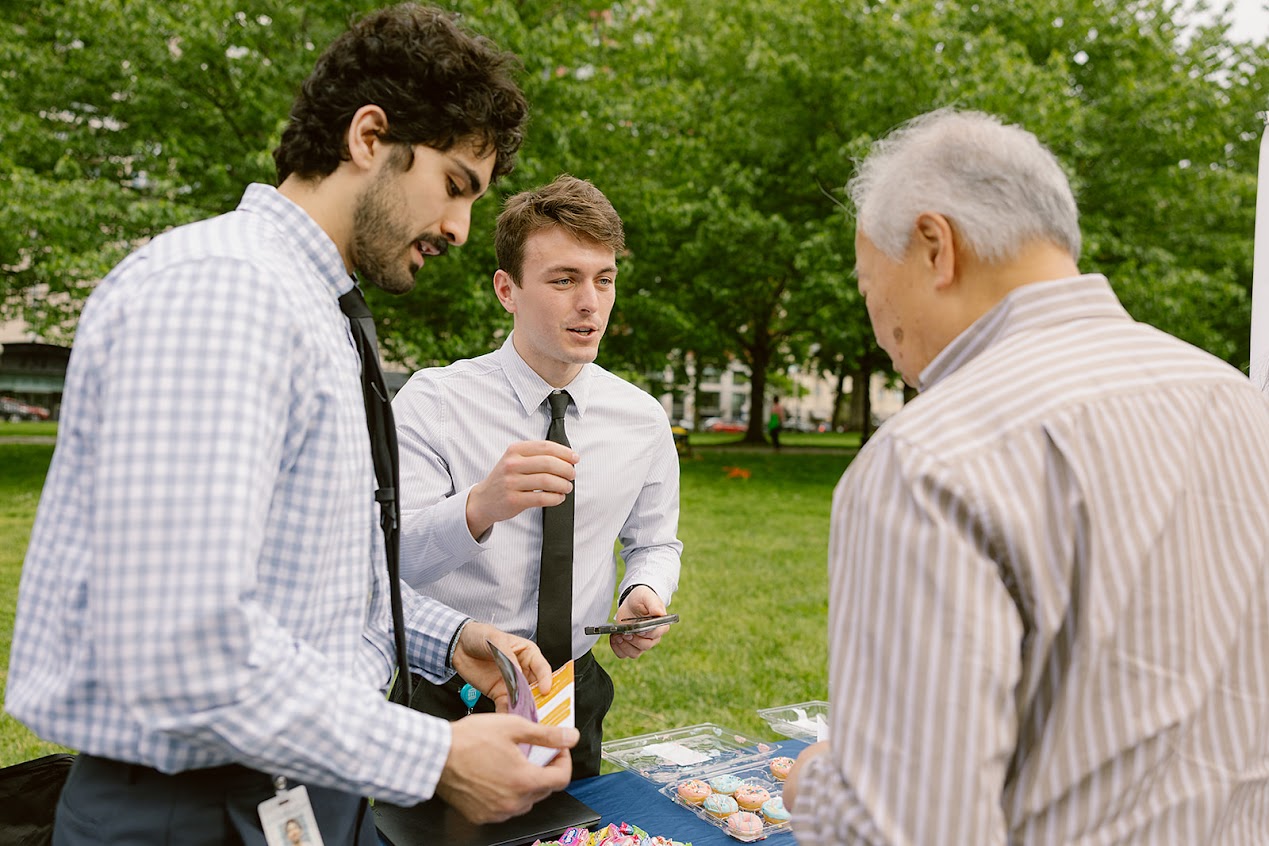
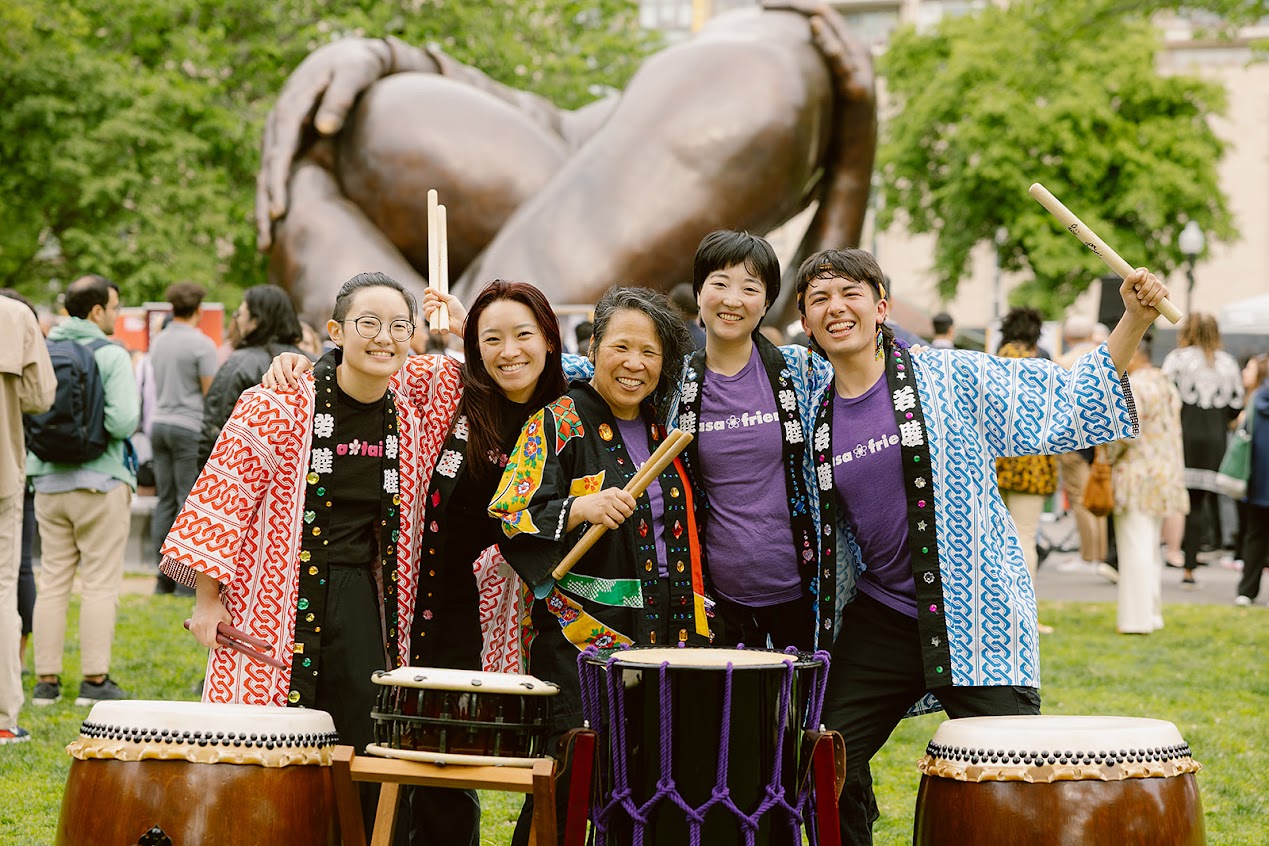
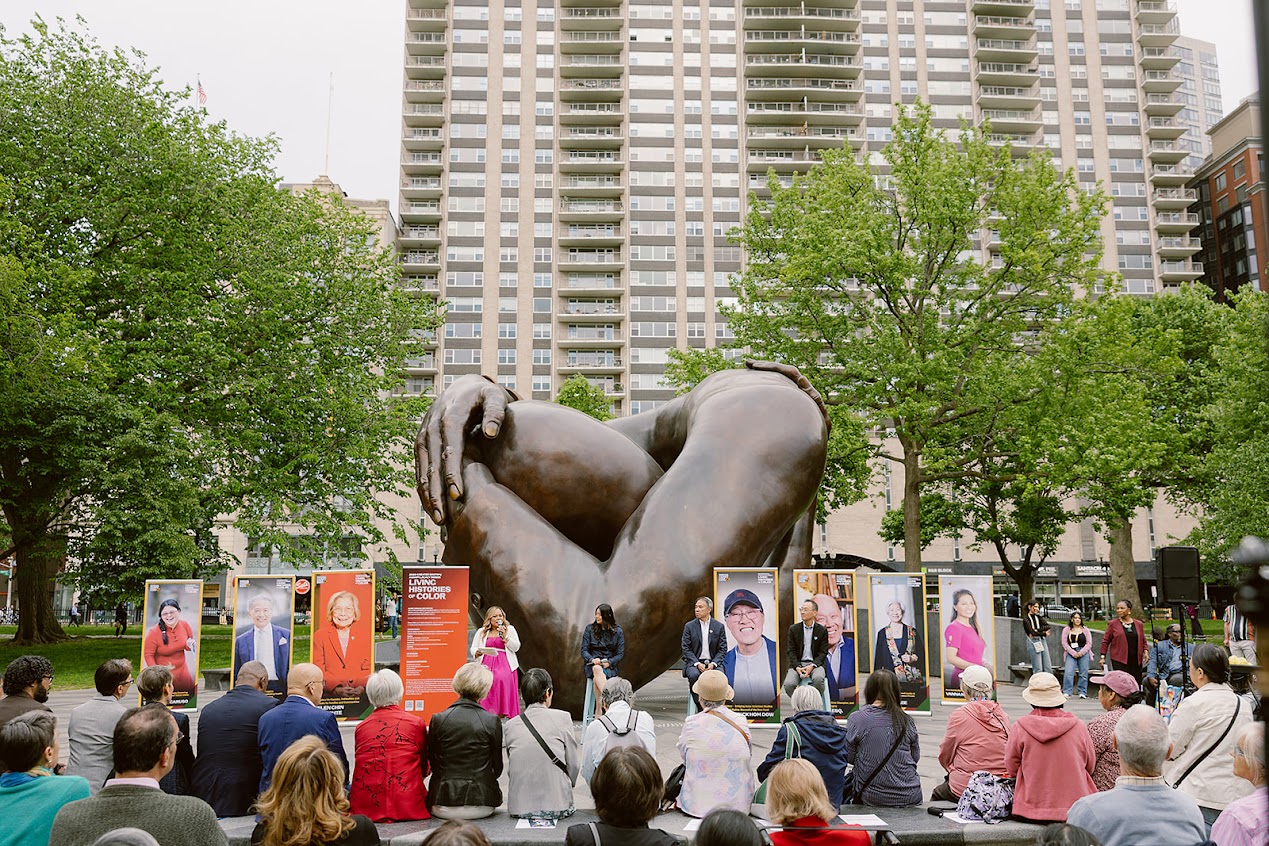
The evening opened with a reception where guests enjoyed live music by Karen Young and KASA Taiko and Friends, along with free food and community resource tables that highlighted local organizations and services supporting the AANHPI community and beyond.
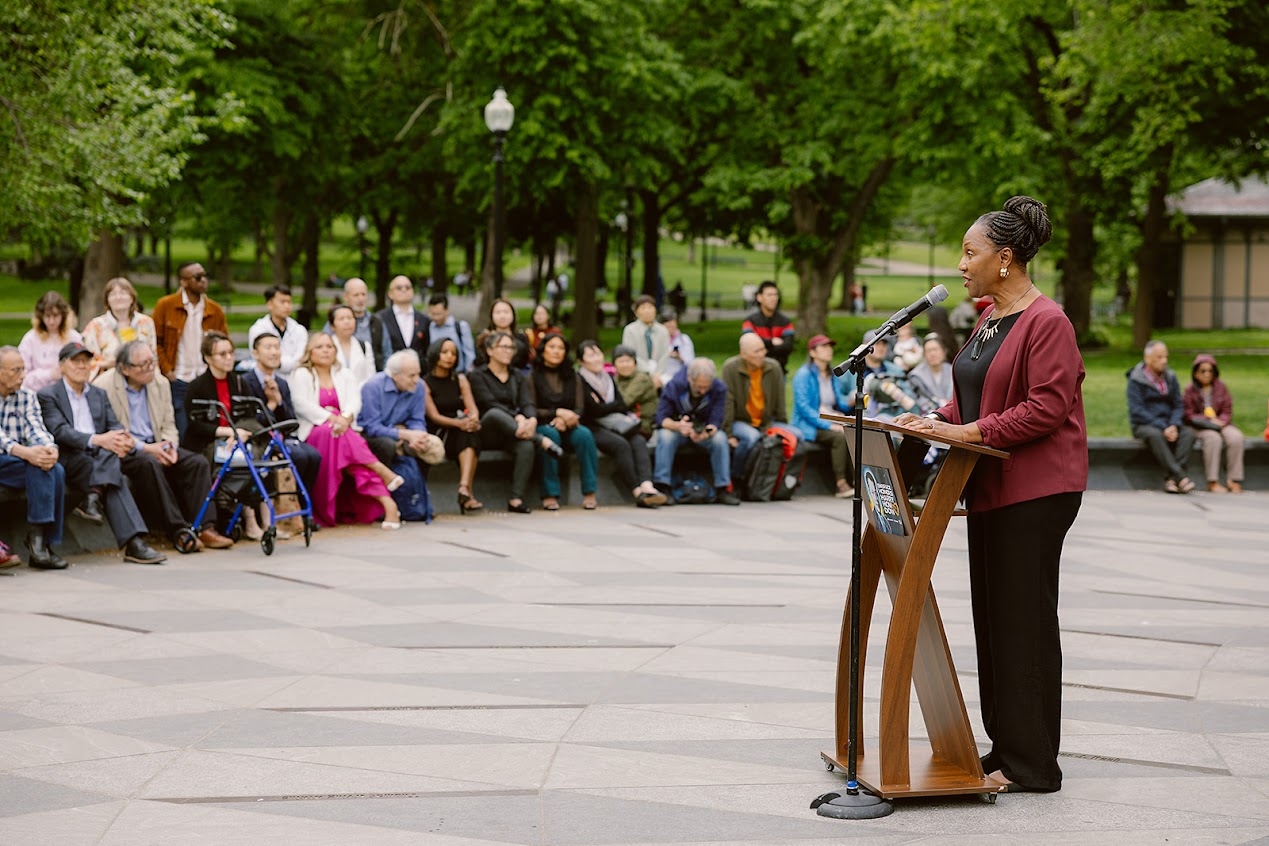
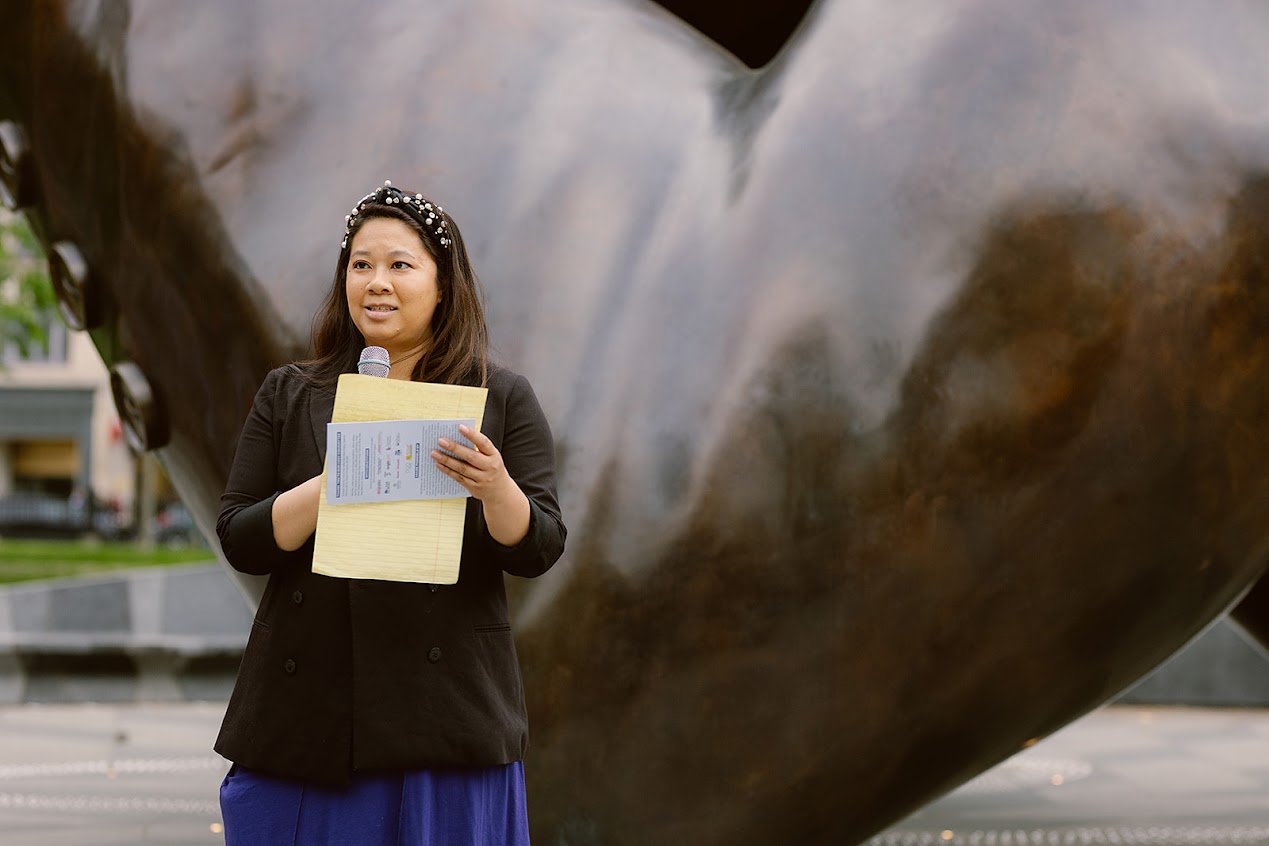
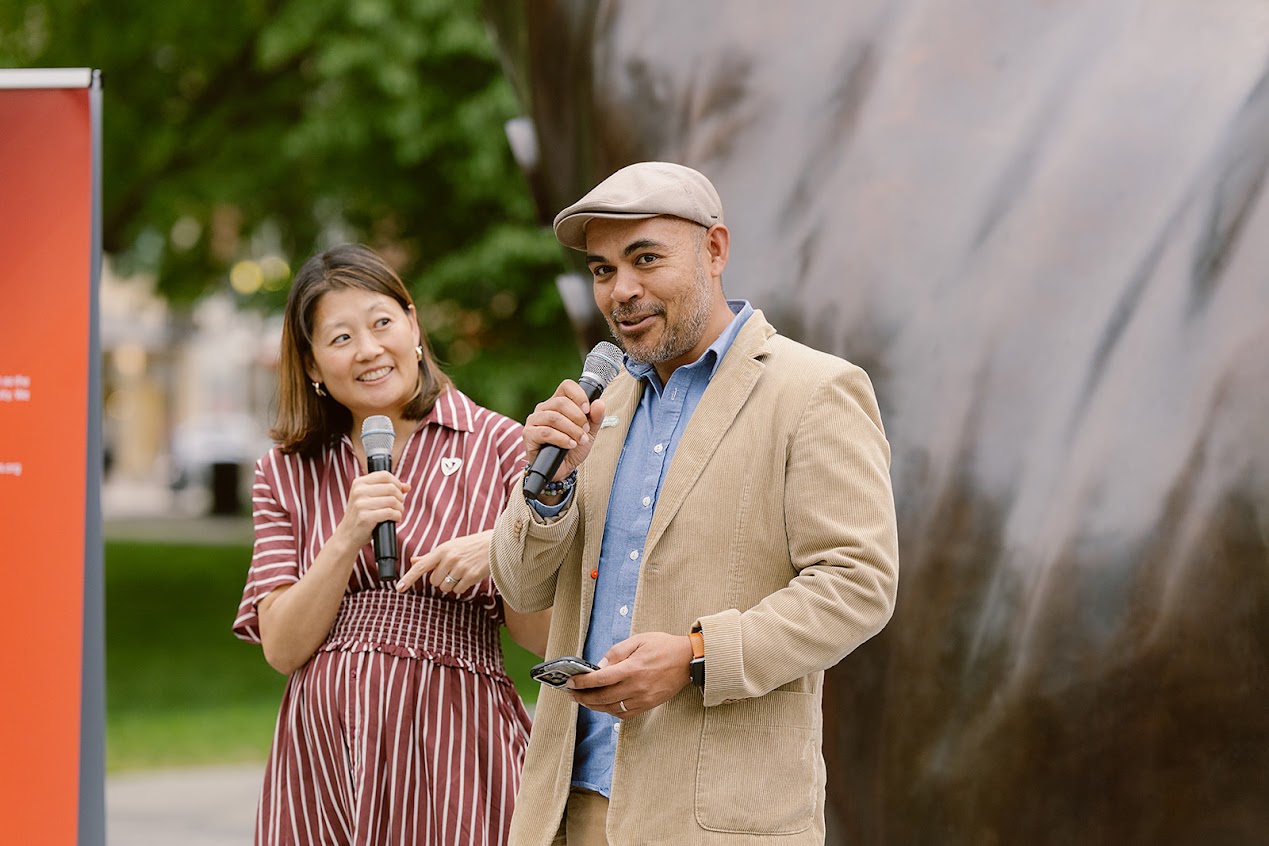
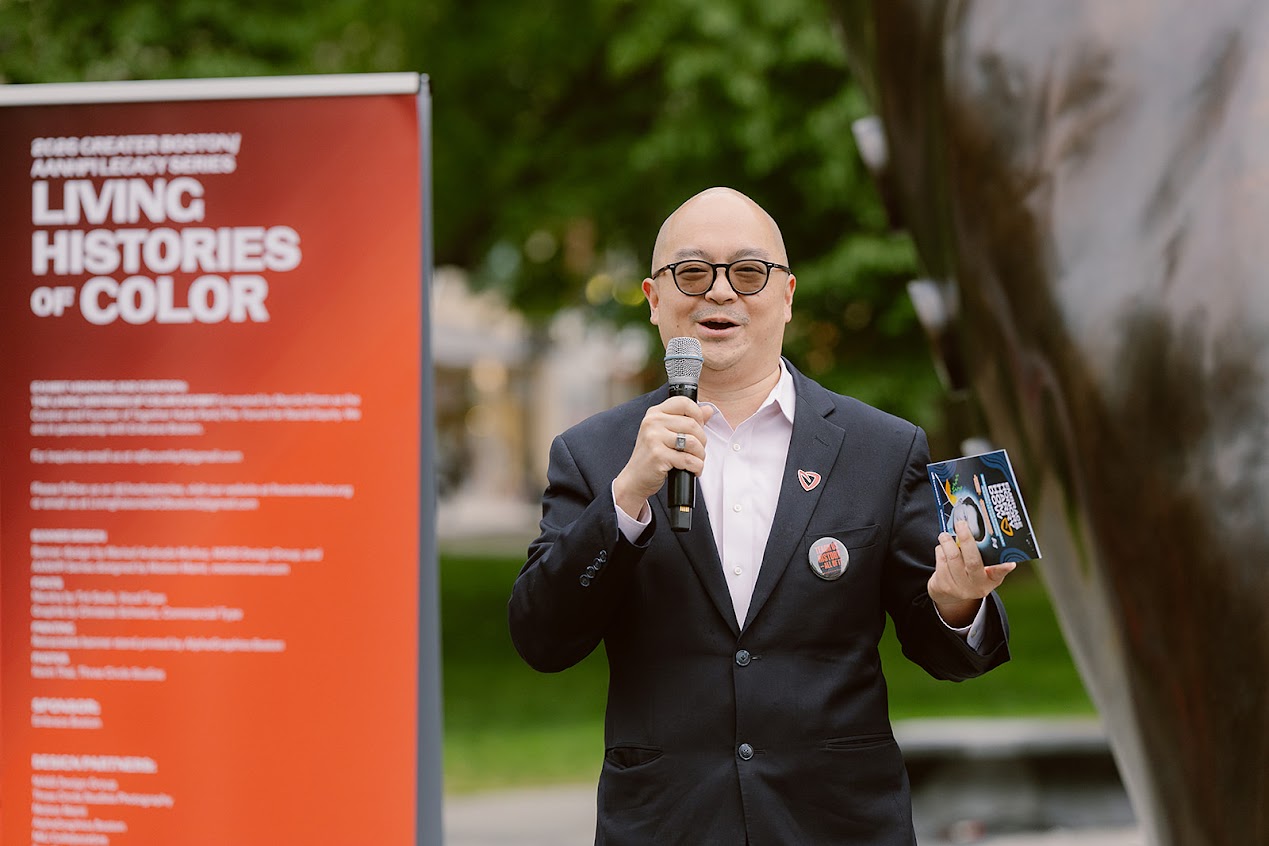
Co-Chairs Yully Cha and Vatsady Sivongxay welcomed attendees and opened the program, followed by a performance by Armaya Doremi and Liv Clementine that set the tone for the evening.
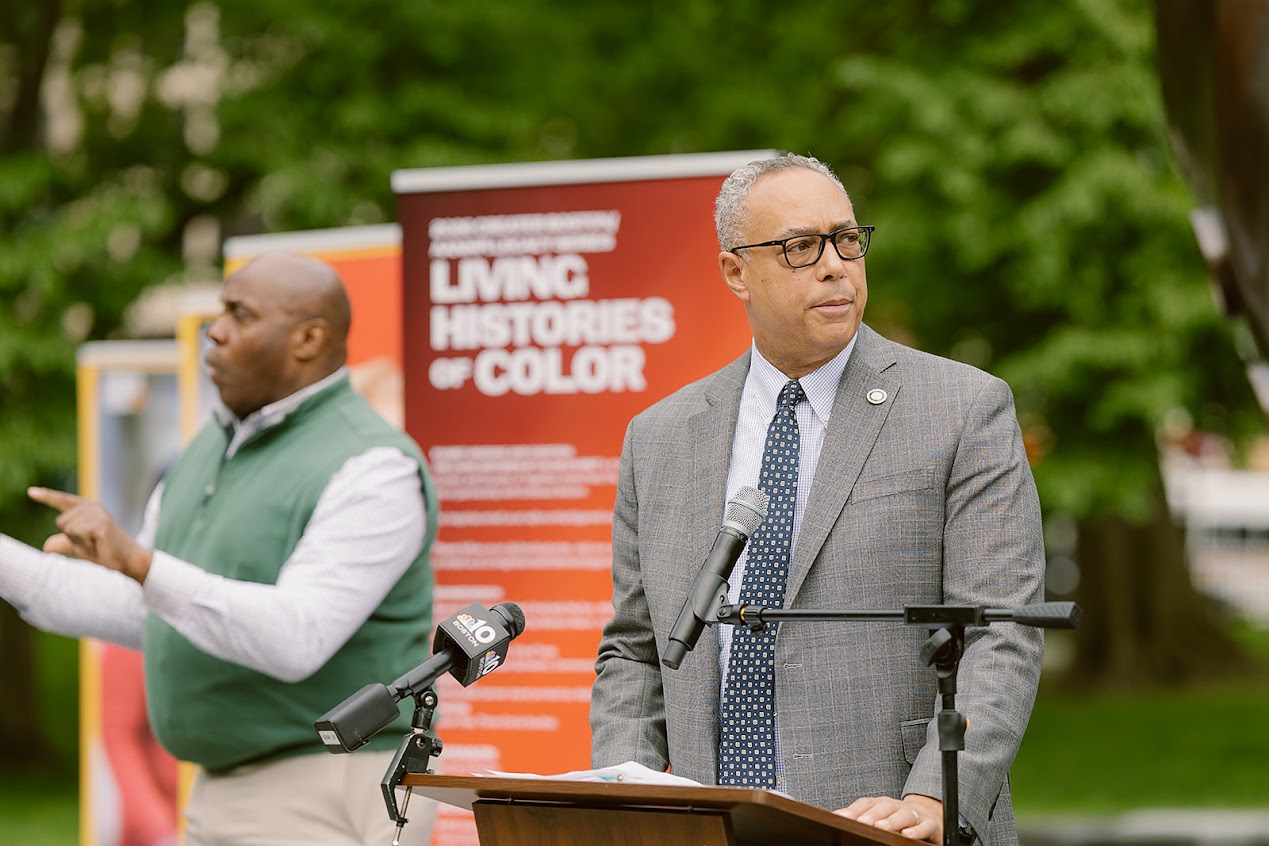
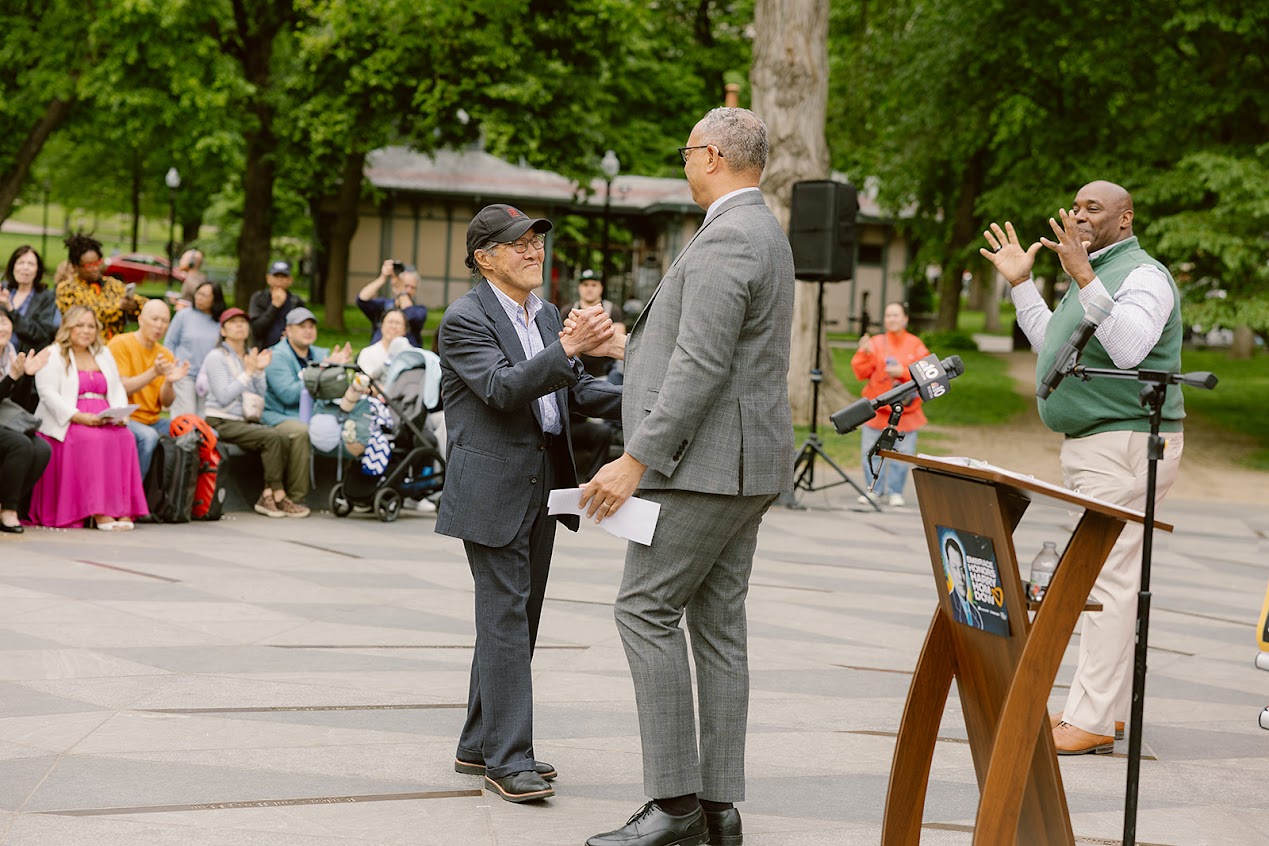
The program continued with remarks from Frederick Hom Dow, who reflected on the legacy of Harry Hom Dow and his lifelong commitment to using law as a tool for liberation and justice. Dr. Imari Paris Jeffries, President and CEO of Embrace, followed with remarks on public memory and the shared responsibility of building a more inclusive future.
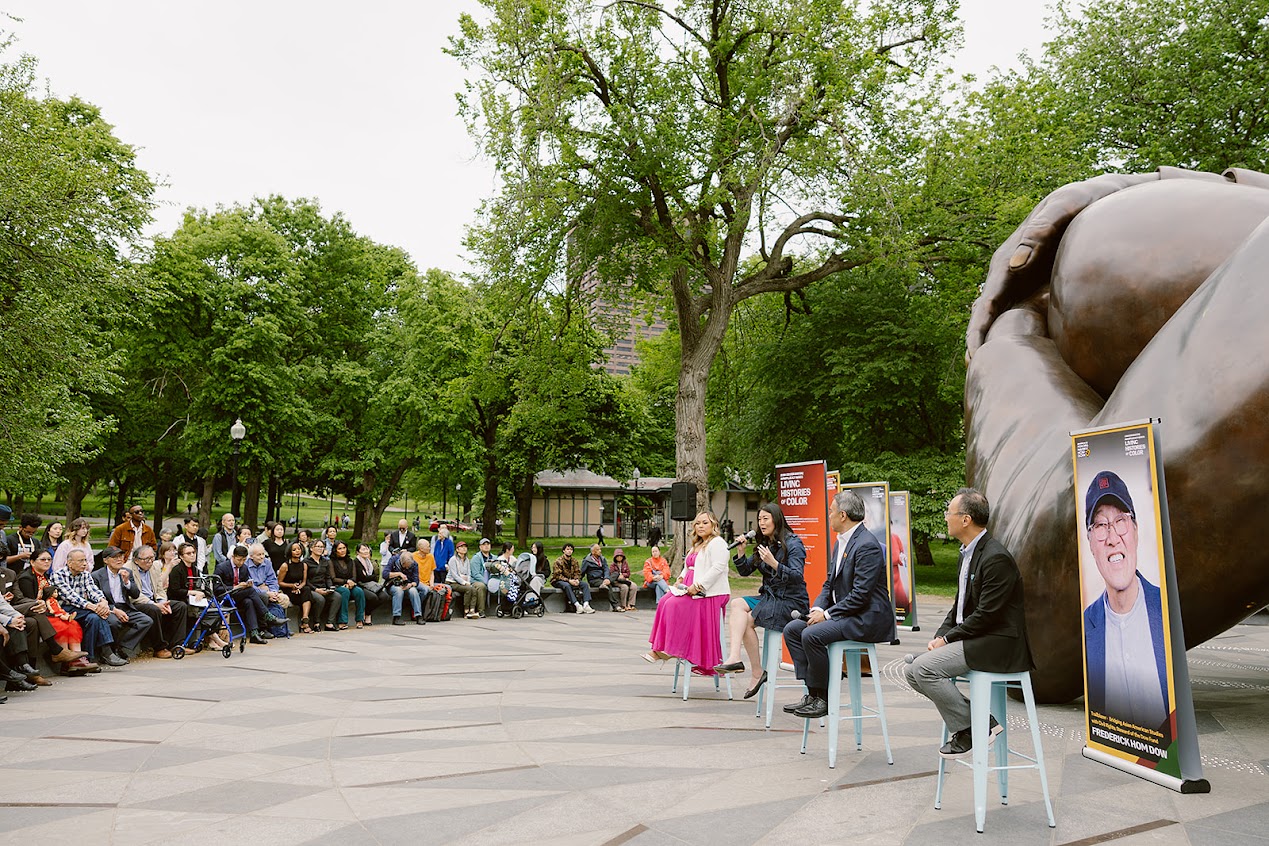
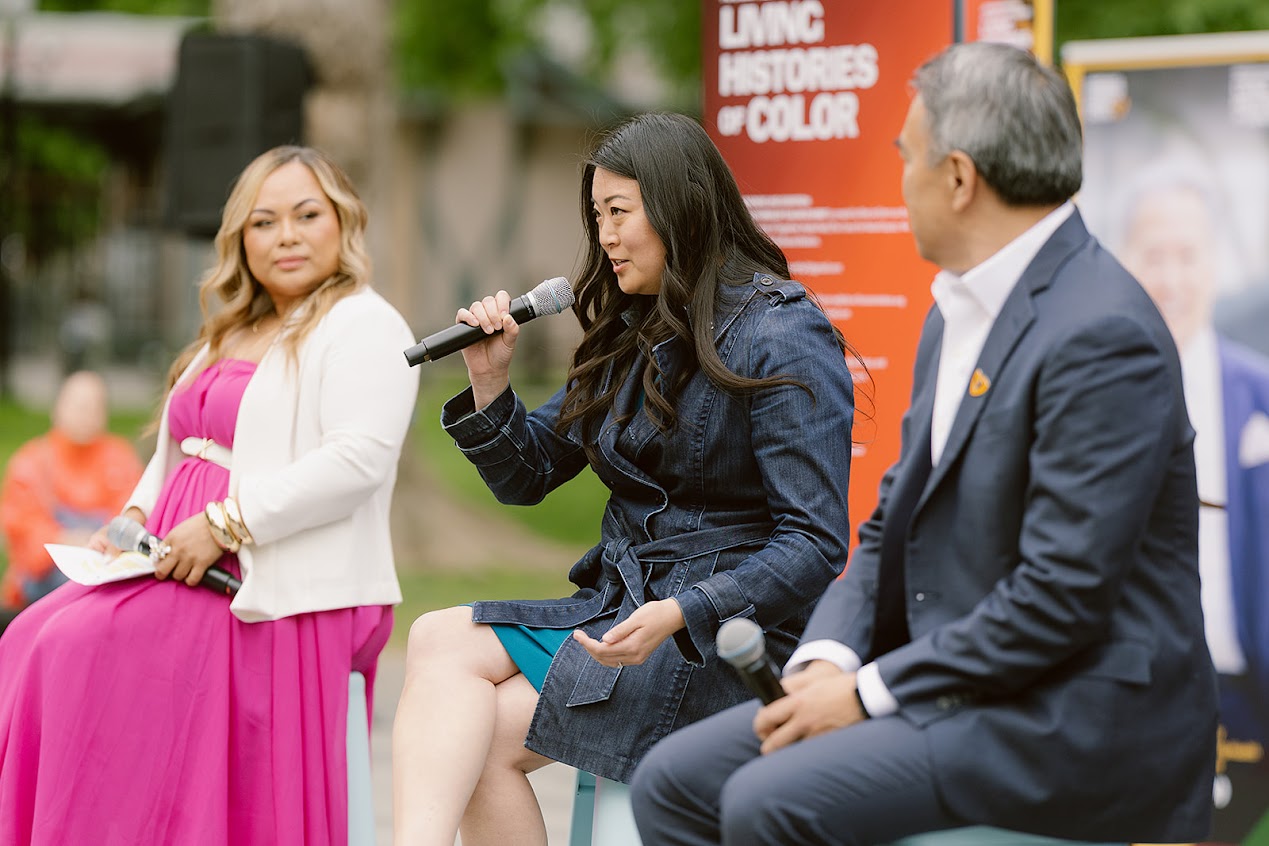
A fireside chat, moderated by Sophan Smith, brought together leaders working across labor, legal education, and immigrant-rooted entrepreneurship to discuss different approaches to advancing belonging. Panelists Jessica Tang, Patrick Shin, and Paul Lee shared insights from their respective fields and lived experiences.
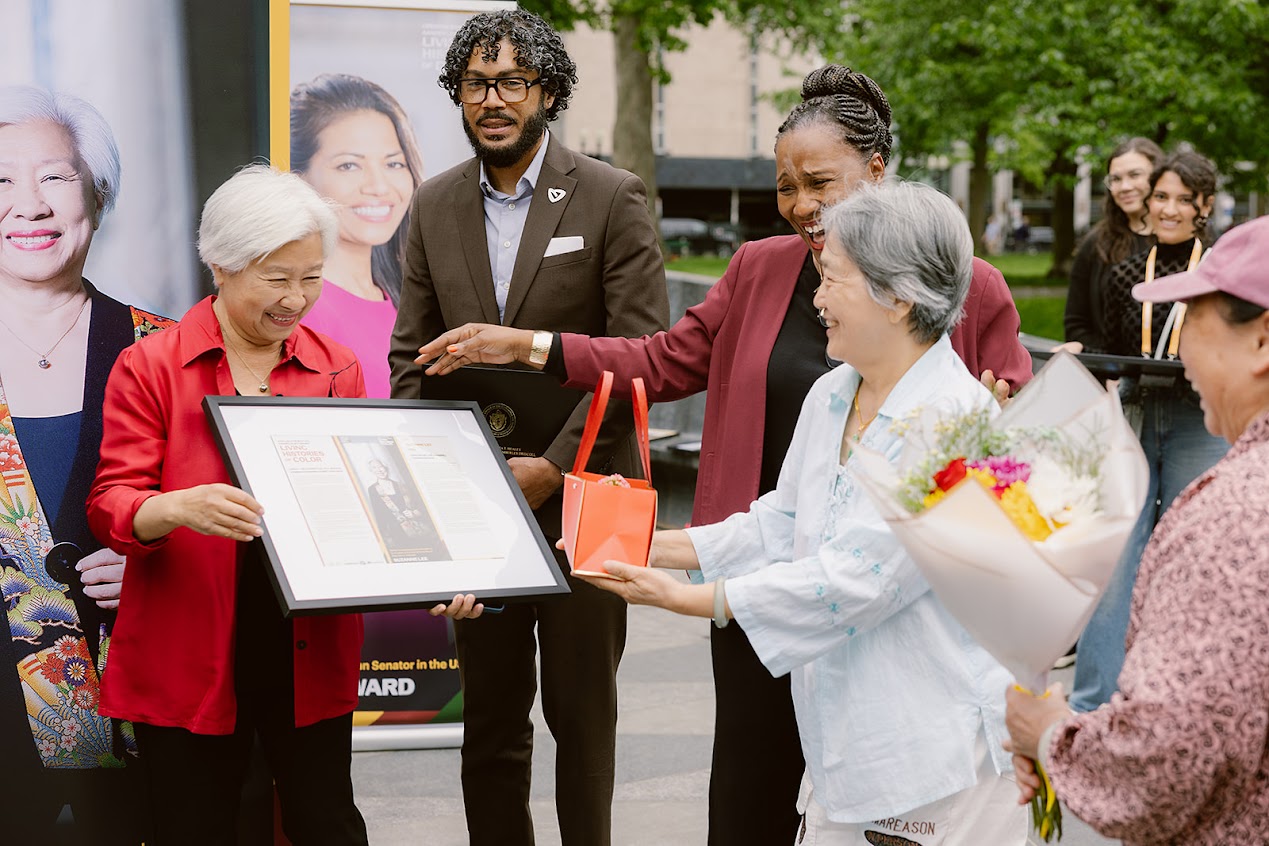
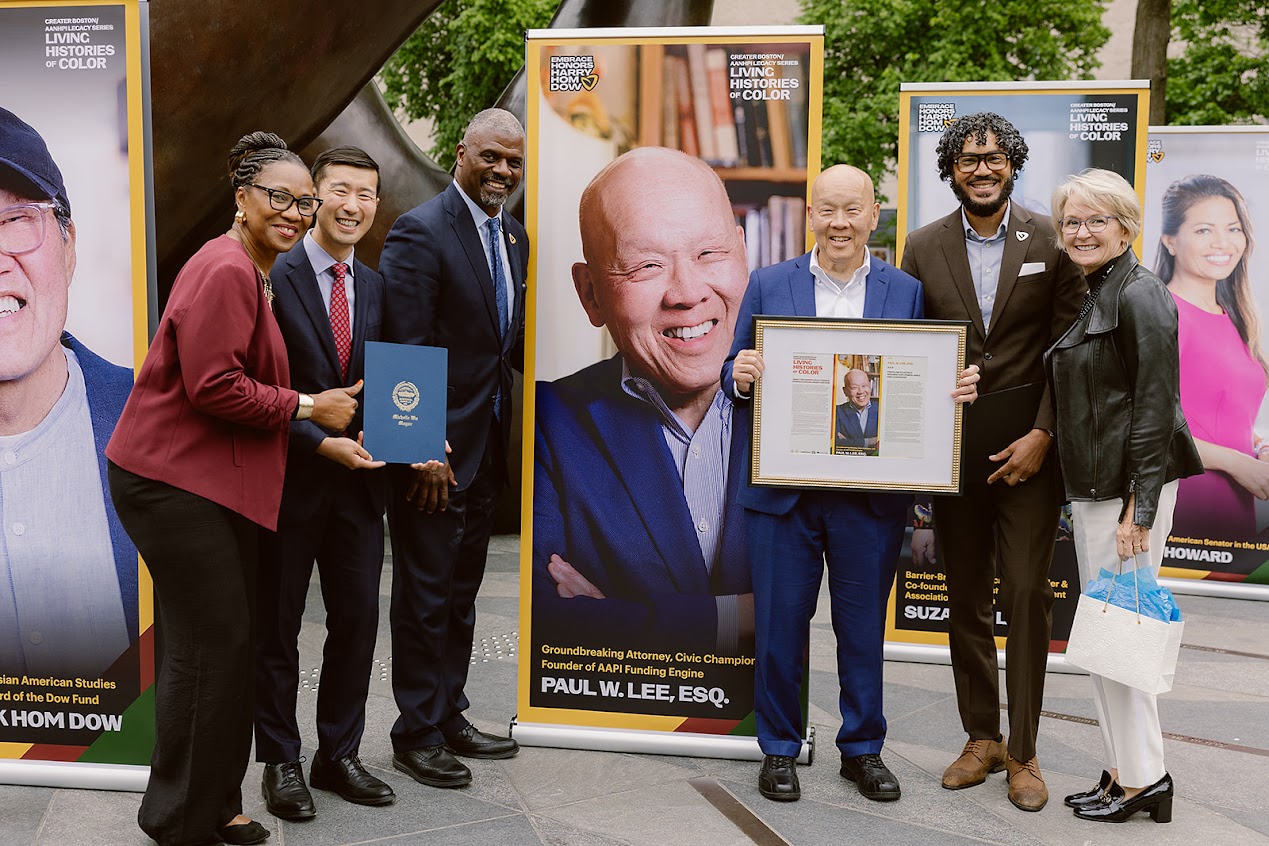
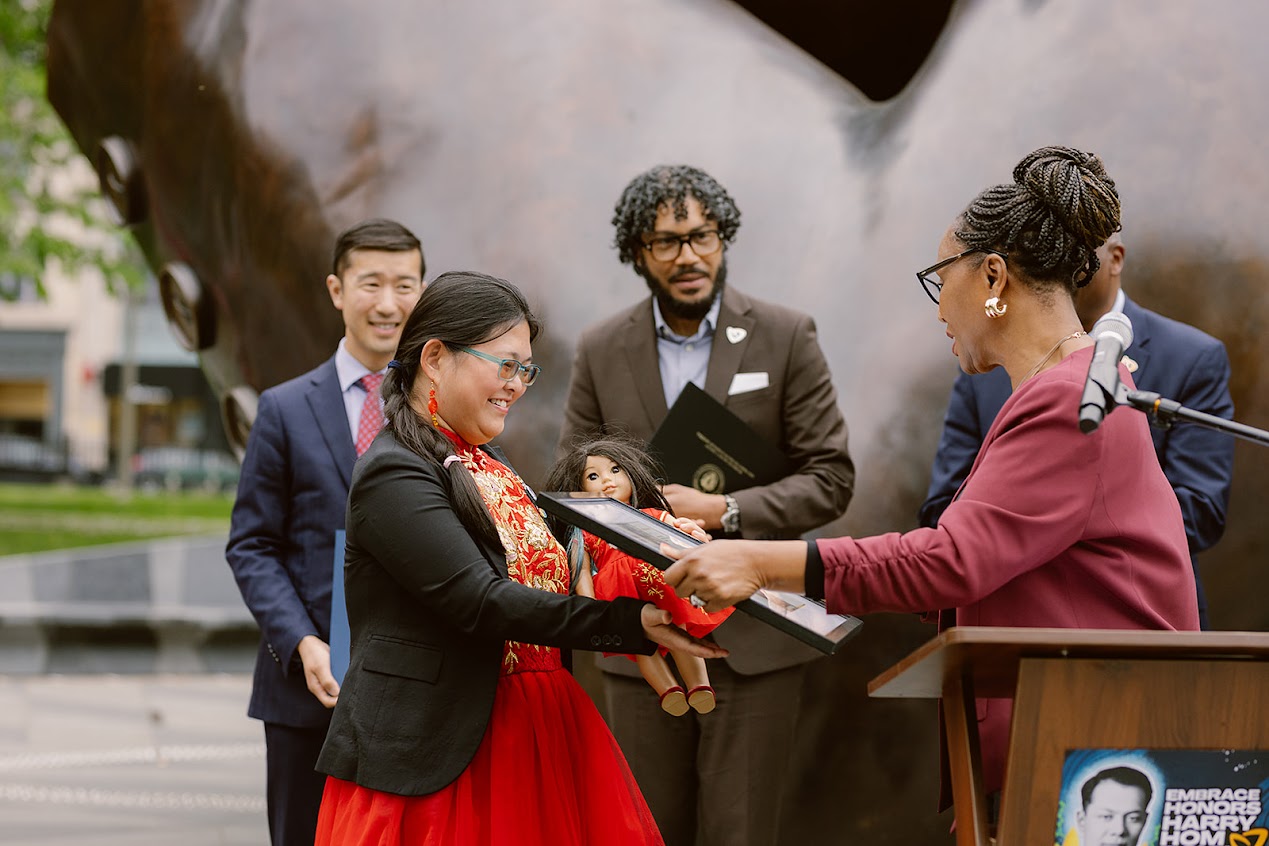
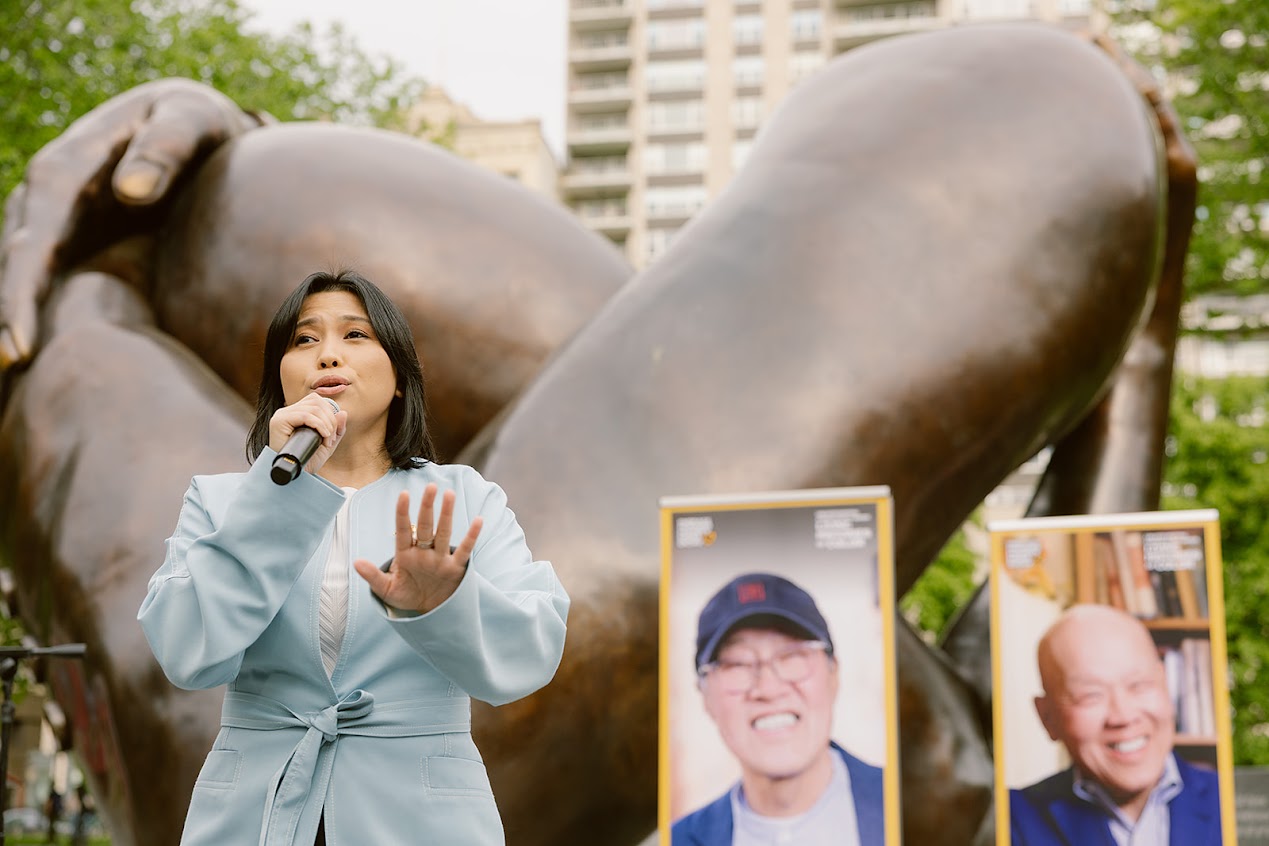
The evening also featured the Living Histories of Color: Greater Boston/AANHPI Legacy Ceremony, led by Marcia Kimm-Jackson, which honored community members whose stories, sacrifices, and contributions have shaped Boston and the Commonwealth. The ceremony included citations from Governor Maura Healey and Mayor Michelle Wu.
Mai Du and Mary Nguyen then offered a call to action, lifting up ways to continue engaging in intergenerational leadership, civic participation, and policy advocacy to support long-term community impact.
York Lo shared “Remembering Chow Manderien: An Untold Boston Story,” highlighting an important but lesser-known chapter of Boston’s Chinese American history.
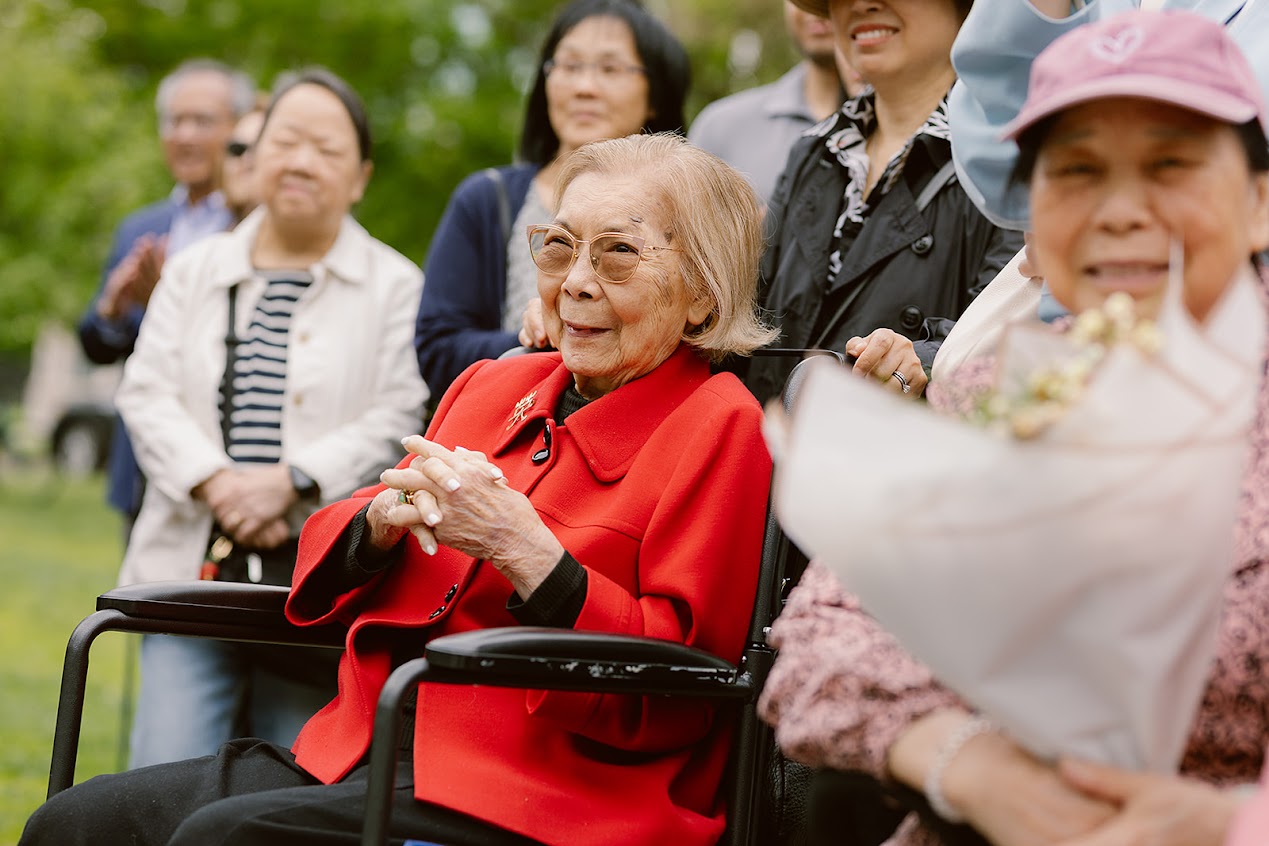
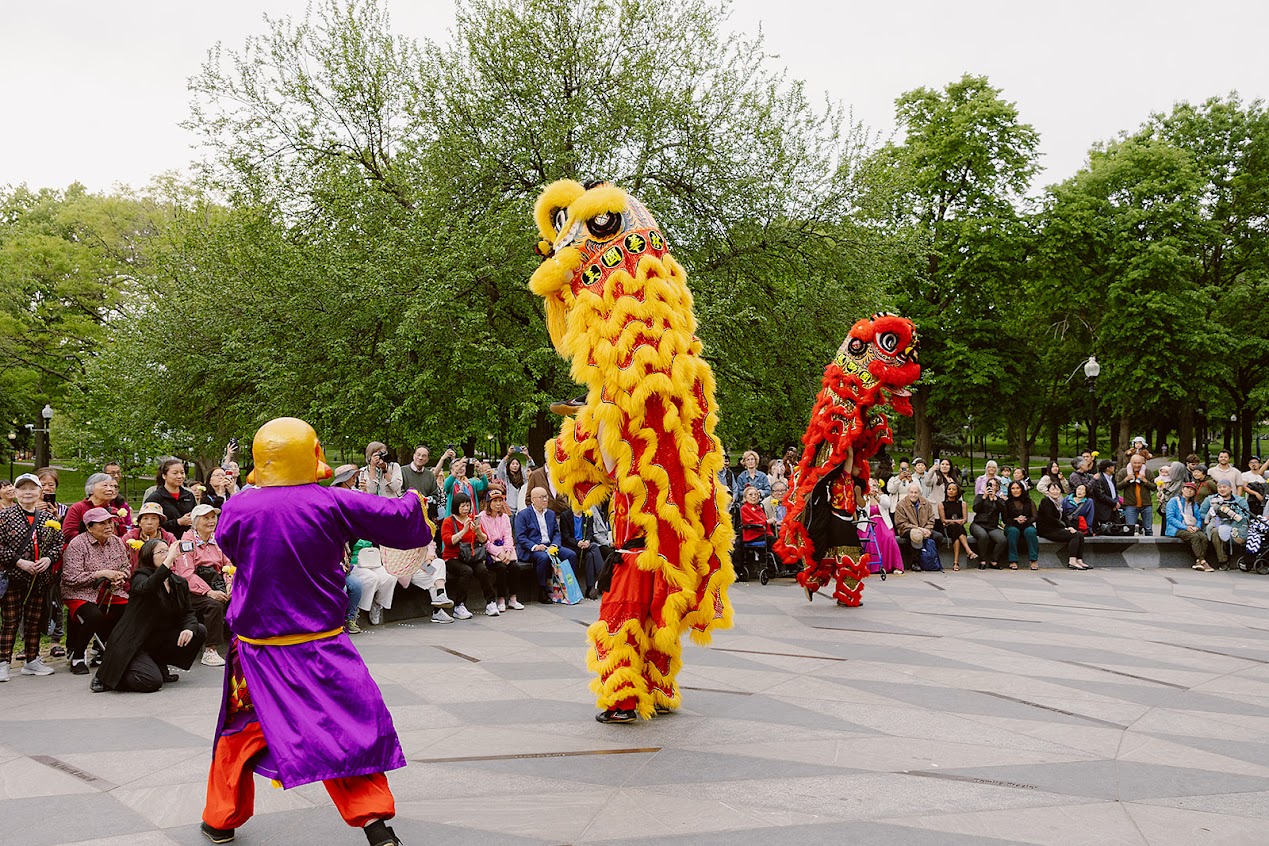
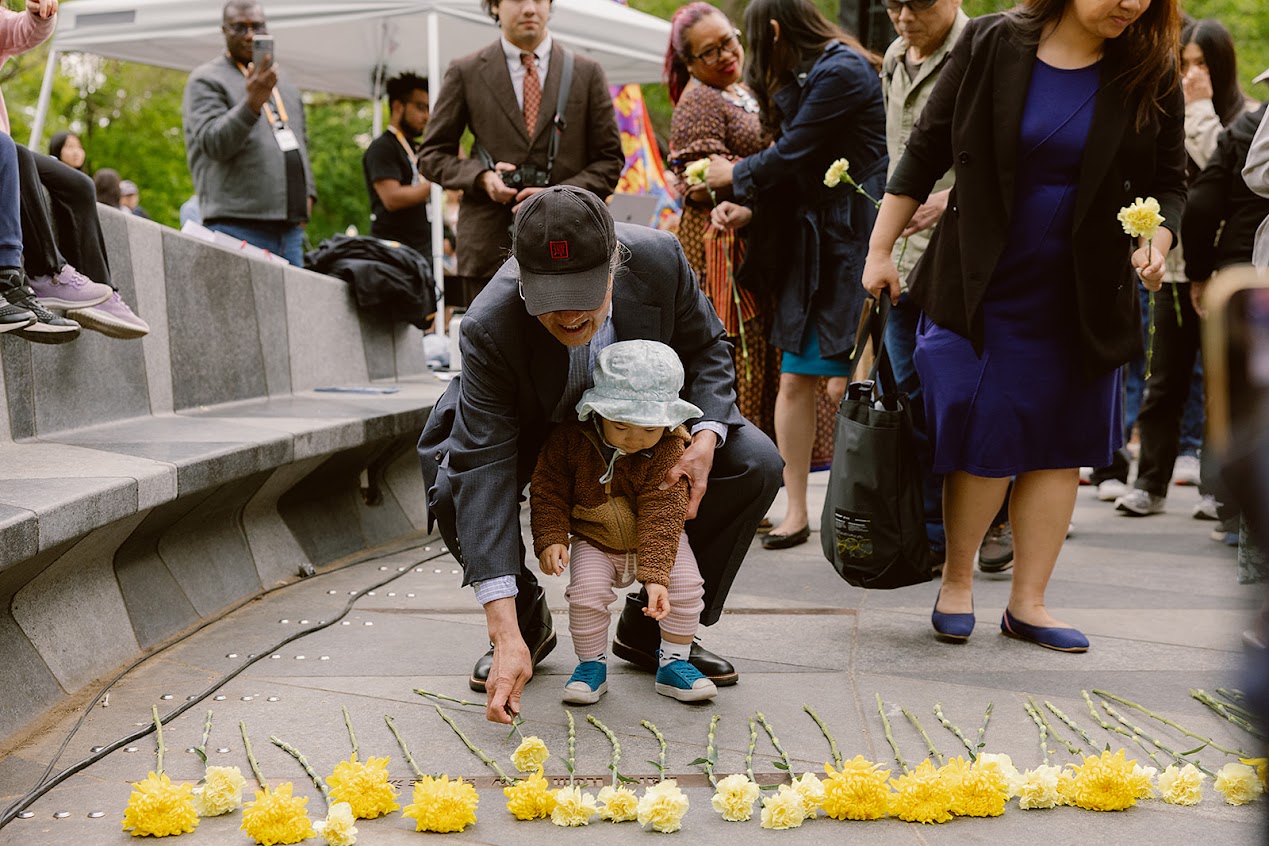
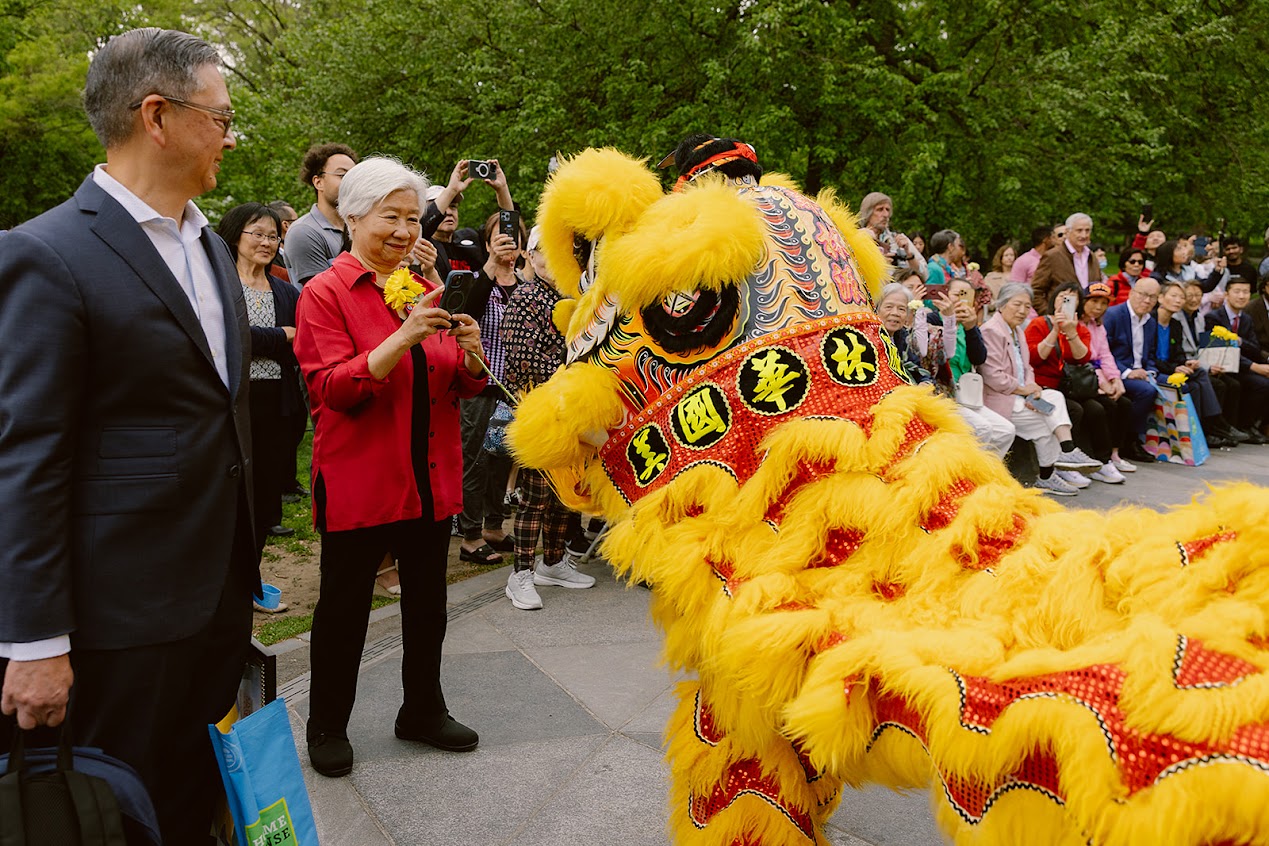
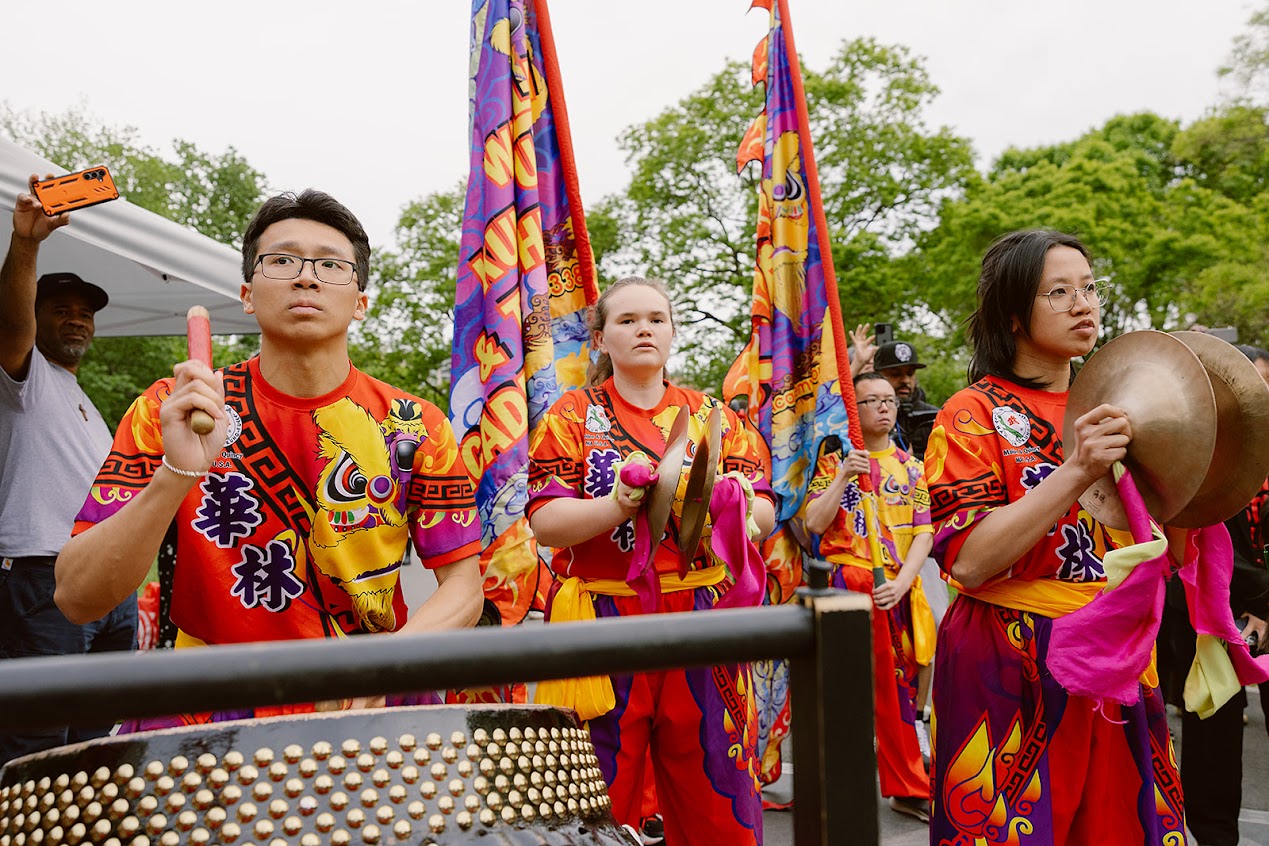
The evening concluded with a community connection segment featuring a lion dance and flower ceremony led by the Wah Lum Kung Fu & Tai Chi Academy Lion Dance Troupe, closing the program with a celebration of heritage, remembrance, and collective belonging.
MEET THE HONOREES
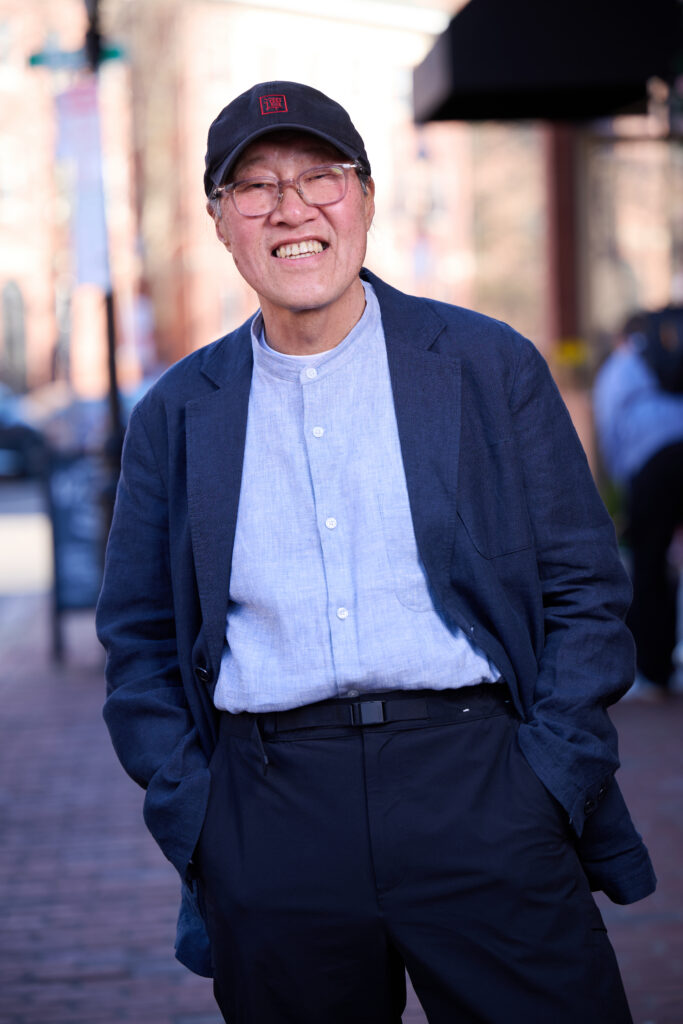
Frederick Hom Dow
Frederick Hom Dow grew up in Boston’s South End as often the only Asian American in the anti-poverty programs during the 1960s, raised and held by a predominantly Black and brown community that shaped his understanding of solidarity and struggle long before he had a word for it. His father, Harry Hom Dow, born March 13, 1904, the first Chinese American admitted to the Massachusetts Bar, practiced immigration law at great personal cost, fighting the Chinese Exclusion Act until persecution by federal authorities during the McCarthy era impoverished his family.
Fred carried that legacy forward, not through the law, but through the institutions his father’s generation helped build and the cross-racial commitments his upbringing made instinctive. He spent his career at the U.S. Department of Education’s Office for Civil Rights, working at the federal level to ensure that the educational system served the communities his father had fought to protect. In retirement, he stepped into the role of steward and storyteller, working with the Dow Fund, which has been the leading organization in Massachusetts providing culturally and linguistically appropriate legal resources to the Asian American community for four decades.
When the Embrace monument was unveiled on Boston Common in January 2023, Fred stood beside his father’s memorial plaque, one of 69 Freedom Heroes honored in the 1965 Freedom Plaza beneath the sculpture. The moment collapsed generations: a son of the South End, raised by a community that transcended racial lines, honoring a father who gave everything so that others might belong. Fred’s own words capture what this exhibit is about: “Our hope is that the Freedom Plaza and Harry Dow’s inclusion will inspire future generations of civil rights leaders from the Asian American community.”
The Embrace Honors Harry Hom Dow initiative exists because Fred Dow insists his father’s story be told, not as a relic but as a living charge to the next generation.
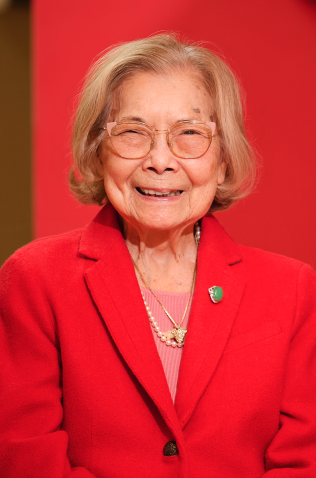
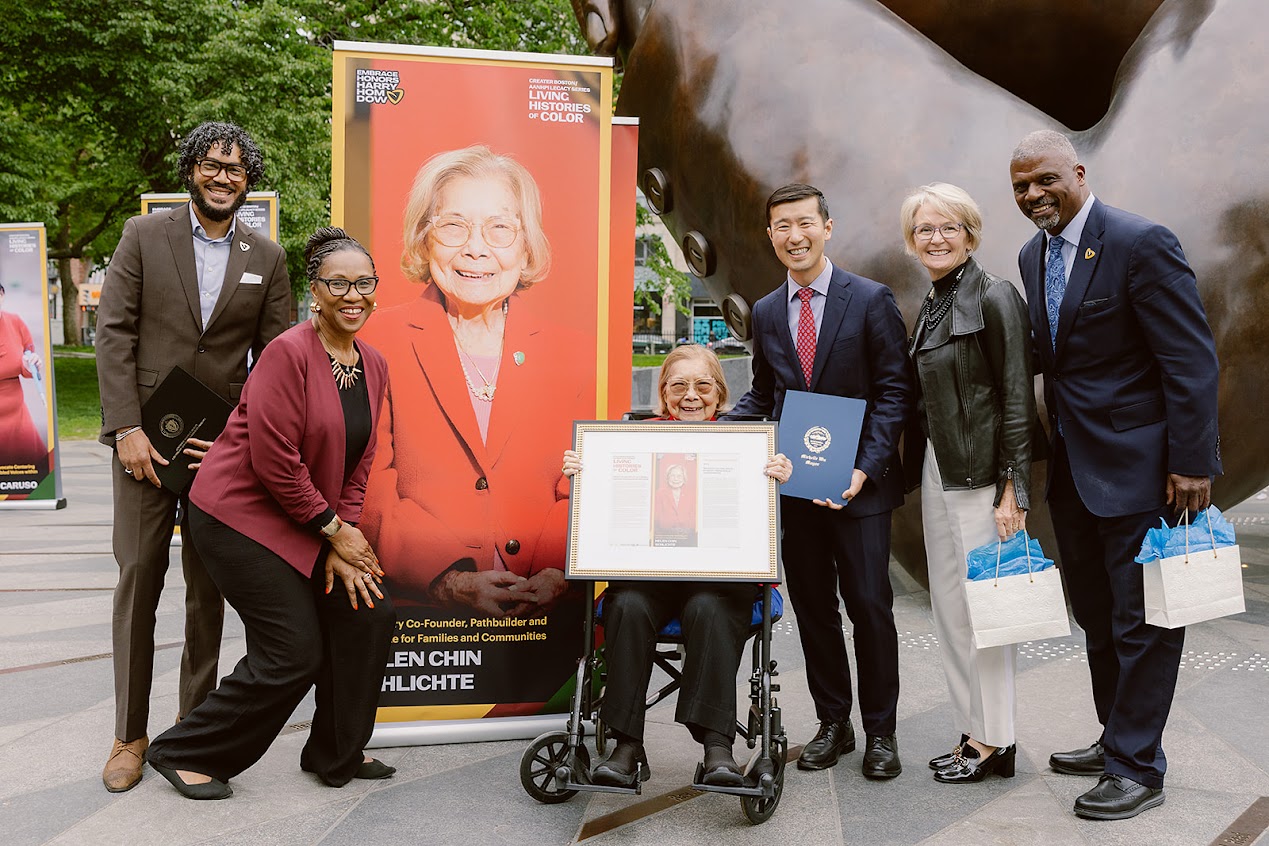
Helen Chin Schlichte
Known as “Auntie Helen” on Beacon Hill, Helen Chin Schlichte is one of the most consequential Asian American civic leaders in Massachusetts history, whose career spans more than seven decades of public service and whose institutional fingerprints are on some of the most important AAPI organizations in New England.
Chin Schlichte began working in the Massachusetts State House Speaker’s office in 1950, at a time when Asian Americans in state government were virtually nonexistent. Over the decades that followed, she rose to become one of the first Asian American women to achieve prominence as a public administrator in the Commonwealth, ultimately serving under 13 secretaries and 12 governors.
Chin Schlichte co-founded South Cove Manor Nursing and Rehabilitation Center, the only Asian nursing home in New England, recognizing that Boston’s aging Chinese population needed a care facility where residents could be served in their own language, eat familiar food, and age with cultural dignity rather than institutional alienation. She brought that same commitment to healthcare governance at the highest level as Director Emerita of Beth Israel Deaconess Medical Center, where she served at the board level for nearly 40 of her more than 55 years of involvement with the institution. At BIDMC, she championed community health center partnerships, diversity and inclusion initiatives, and programs that connected the medical center to the neighborhoods it serves, particularly Boston’s Chinese community. With longtime colleague Paul Lee, Chin Schlichte co-founded the Asian Community Fund at the Boston Foundation, creating the most significant philanthropic vehicle for AAPI communities in Massachusetts.
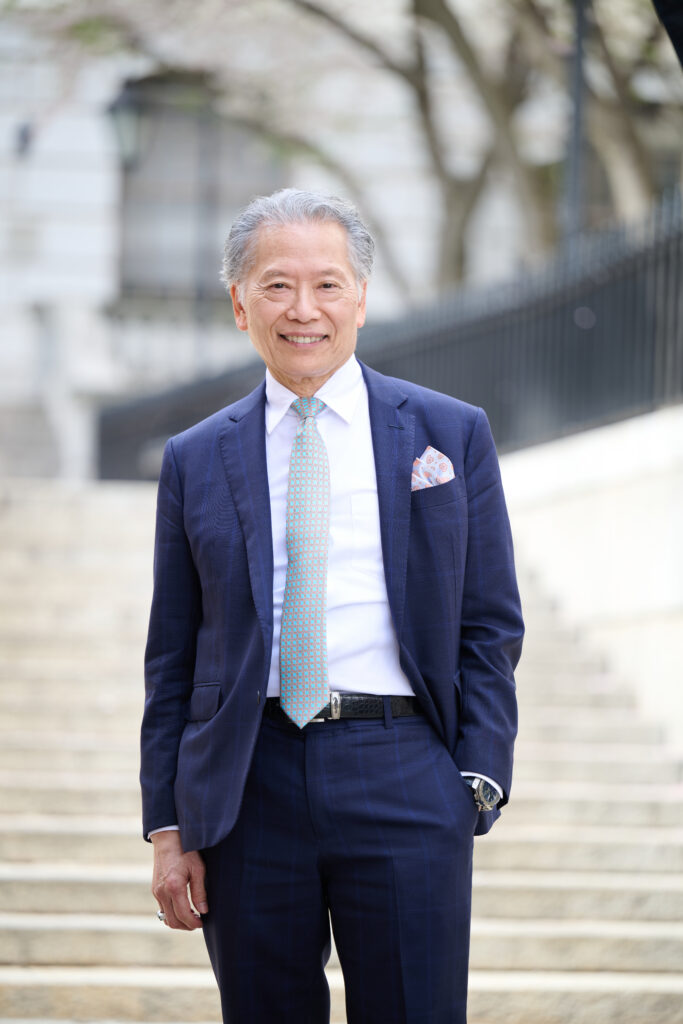
Nick Chau
Nick Chau has built his life in Boston’s Chinatown as both a businessman and a civic anchor. As president of Tai Tung Realty, he has operated at the intersection of property, community stability, and neighborhood preservation, the same terrain where Chinatown’s survival has so often been decided. He served on the board of the Asian Community Development Corporation, the nonprofit created to protect Chinatown from the displacement forces that have threatened it for decades. He served as a board member at South Cove Community Health Center, the institution that has provided primary care to Chinatown’s immigrant and low-income residents since 1972.
He supported the Boston Chinatown Neighborhood Center, and among the first to support the Asian Community Fund at the Boston Foundation. He and his wife Eva are very active and involved in supporting local campaigns and elected officials.
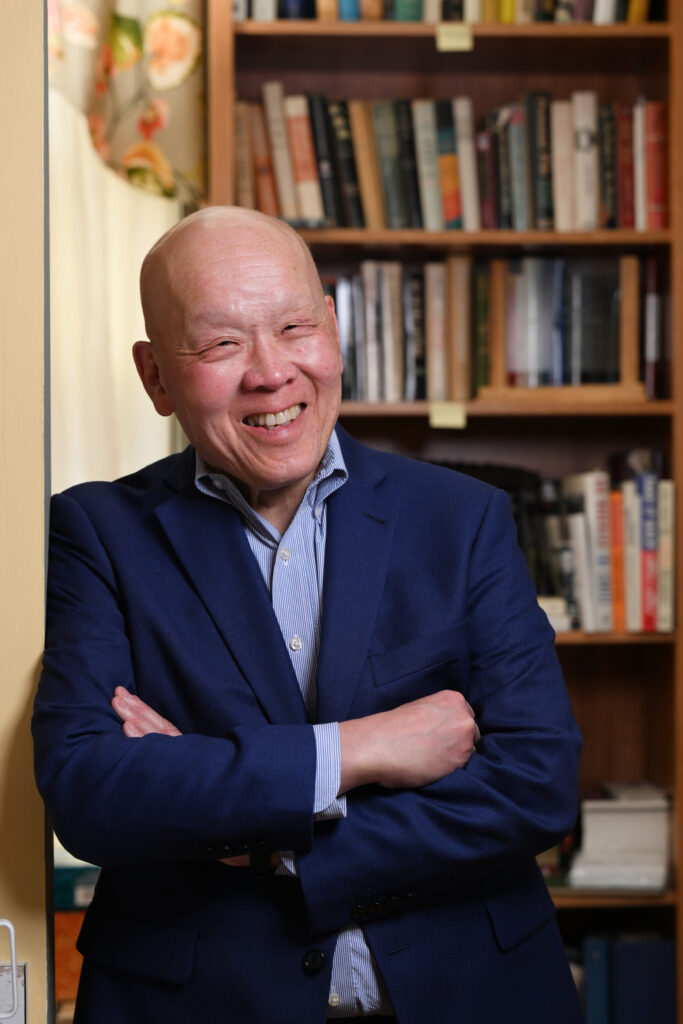
Paul Lee
A cornerstone of AAPI civic life in Boston, Paul Lee is a pioneering figure in the Massachusetts legal community, known as a founder and the first President of the Asian American Lawyers Association of Massachusetts (AALAM) in 1984. As a longtime partner at Goodwin Procter, he was among the first Asian partners at a major Boston law firm, serving as a mentor and leader for over 35 years.
Paul Lee has dedicated his career to building institutional power for Asian American communities through organizations including the Asian Community Fund at the Boston Foundation and the Asian Community Development Corporation.
His work has expanded the definition of community development to include cultural identity, political voice, and cross-racial solidarity, ensuring that AAPI communities are not only served but centered as leaders. Where others built programs, Paul Lee built infrastructure, the kind that outlasts any single leader or funding cycle and gives a community the capacity to advocate for itself in perpetuity.
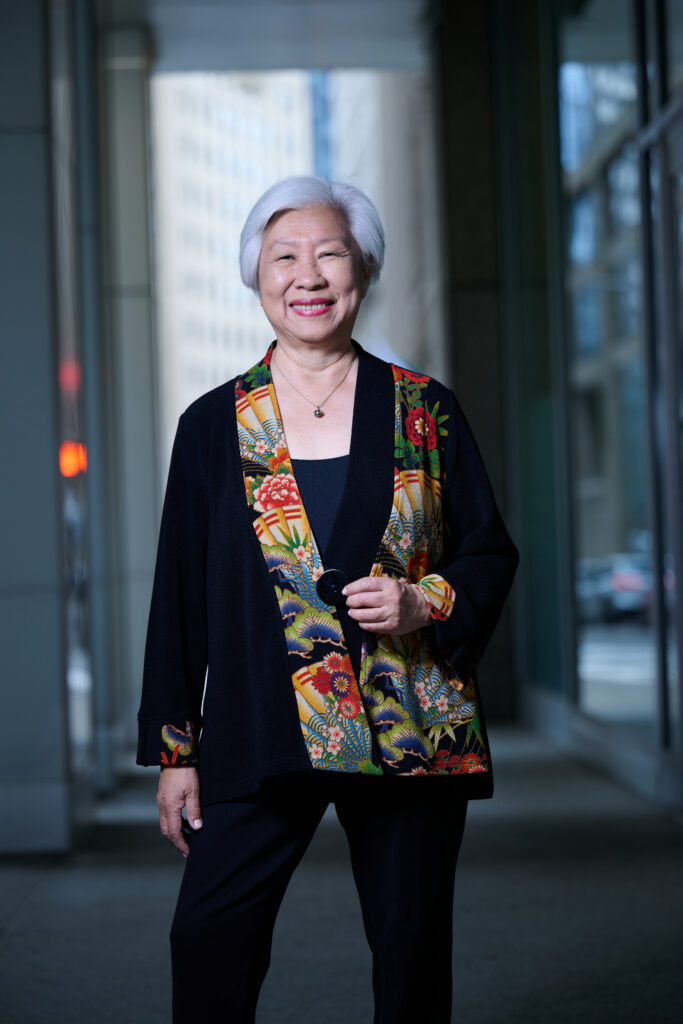
Suzanne Lee
Born in China and raised on Blue Hill Avenue in Grove Hall, one of only three Chinese families in a neighborhood transitioning from predominantly Jewish to predominantly Black, Suzanne Lee learned to navigate across cultures before she learned to speak English. That upbringing forged the cross-racial instincts that would define her life’s work: more than five decades of organizing, teaching, and institution-building in Boston’s Chinatown and beyond.
Lee spent 35 years in the Boston Public Schools, first as a bilingual teacher at the Josiah Quincy School in Chinatown and later as principal of the Baldwin School in Brighton, which became a nationwide model for school improvement under her leadership, and then of the Quincy Elementary School, named one of the Best 100 Elementary Schools in Massachusetts during her tenure. She received an honorary law degree from UMass Boston for 40 years of bringing communities and institutions together to serve the children of Boston.
Her organizing career began during the busing crisis of the mid-1970s, when Chinatown mothers, garment workers who spoke little English, received notices that their children would be reassigned to schools in Charlestown and the North End.
In 1977, Lee co-founded the Chinese Progressive Association, which began in her kitchen and grew into one of Chinatown’s most enduring advocacy organizations.
In 2011, Lee became one of the first Asian American women to run for Boston City Council, challenging incumbent Bill Linehan for the District 2 seat that includes Chinatown and South Boston. She beat him in the three-way preliminary and came within fewer than 100 votes of defeating him in the general, a result that stunned Boston’s political establishment and laid the groundwork for the AAPI political visibility that culminated in Michelle Wu’s election as mayor eight years later.
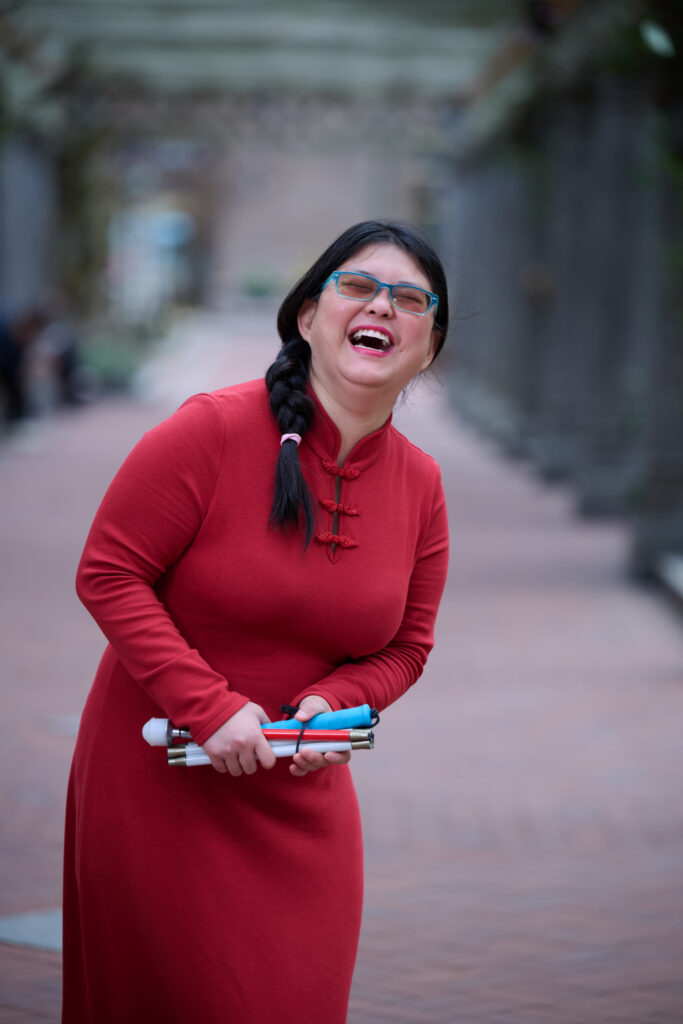
Tina Zhu Xi Caruso
Tina Zhu Xi Caruso is a Boston-area photographer, disability advocate, and emerging photojournalist whose work challenges how we understand vision and storytelling. A graduate of Massachusetts College of Art and Design (BFA ’25), she uses photography as both a creative practice and a tool for navigating the world.
Caruso is functionally blind, living with cortical visual impairment (CVI), a brain-based form of blindness that affects how visual information is processed. While her eyes can sometimes see, her brain cannot always interpret what is in front of her, often reducing faces and environments to abstract shapes or “blobs of color.” Despite this, she has developed a photography practice that allows her to “see” moments more clearly through her camera than in real time.
Born in China and adopted at 11 months, Caruso grew up in the Boston area and was diagnosed with multiple learning and visual disabilities throughout her childhood, though her CVI was not identified until she was 19. Her work is shaped by these lived experiences, often exploring perception, identity, and access.
Her photography has documented moments ranging from adaptive sports like Beep Baseball at Fenway Park to community movements such as Stop Asian Hate protests in Boston. Beyond her work behind the lens, Caruso is also known for her appearance on Love on the Spectrum and has built a growing digital presence, connecting with nearly 60.3K followers on Instagram where she shares her work and advocacy.
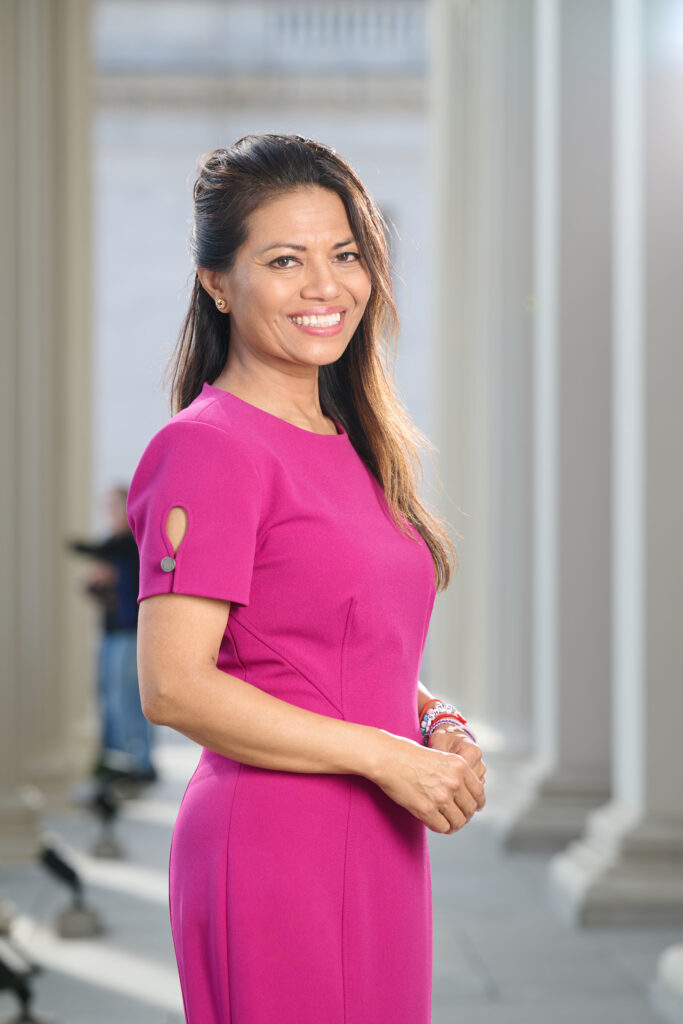
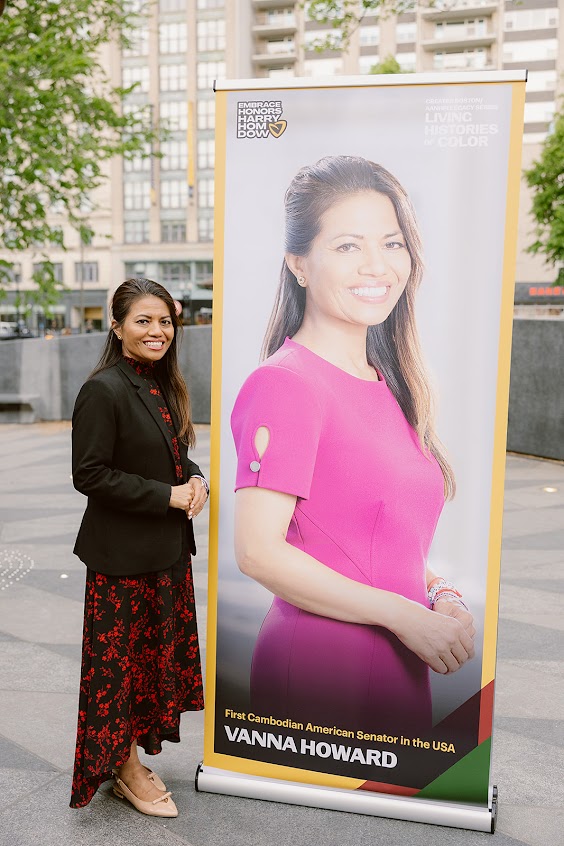
vanna howard
Vanna Howard was born in Cambodia. A survivor of the Khmer Rouge genocide, she fled Cambodia and came to the United States at the age of eleven, having lost her father, brothers, and grandparents in the process. She and her mother and stepfather resettled first in a refugee camp, and then, two years later, in the Brighton neighborhood of Boston. She arrived not knowing a word of English. Lowell — and the communities that called it home — held her.
Howard’s path to the State House ran through decades of civic infrastructure: she served as Greater Lowell regional director for Congresswoman Niki Tsongas, worked in the Middlesex and Suffolk County District Attorney’s Offices, and volunteered with more than fifty nonprofits. She became a member of the Boys and Girls Club of Greater Lowell, the Lowell Housing Authority, and the Cambodian Mutual Assistance Association. She also served as chair of the Massachusetts Asian American Commission. In 2020, the city of Lowell called her to represent them in the State House — and she answered.
On March 18, 2026, Howard was sworn into the Massachusetts Senate as the first Cambodian American state senator in the United States. She now represents tens of thousands of residents across the 1st Middlesex District — focusing on housing, health care, and immigrants — shaped by a simple idea she says she learned in Lowell: giving back to the communities that raised her.
Host Committee
This event is made possible by the generosity and commitment of our host committee, whose dedication to AANHPI civic life brings this vision to life:
Co-chairs: Yully Cha, Celene Chen, Erika Chen, Diana Chiang, Frederick Hom Dow, Mai Du, Vatsady Sivongxay, Jay Vilar
Nick Chau, Jackie Church, Lesley Chuang, Danielle Kim, Jenny LaFleur, Paul Lee, Samantha Lee, York Lo, Marc Mendoza, Jobelle Mesa, Vivian Pham, Maliaka Shepard, Bella Sung, Vivian Tseng, Vivian Wu Wong, Polly Yang, Wayne Yeh, Jessie Yip
Made possible by
AlphaGraphics · AFT Massachusetts · American Lung Cancer Screening Initiative · Armaya Doremi · Asian American Lawyers Association of Massachusetts · Asian American Resource Workshop · Asian Community Development Corporation · Asian Community Fund at The Boston Foundation · Asian Outreach Center at Greater Boston Legal Services · Asian Pacific Islanders Civic Action Network · Asian Sisters Participating In Reaching Excellence, Inc. · Asian Task Force Against Domestic Violence · Banh Mi Oi · Boston Chinatown Neighborhood Center · Boston Chinatown Tours · Brightside Media · Calloway Graphix · Chaba Florists · Chinese Historical Society of New England · Chinese Progressive Association · City of Boston · Coalition for Anti-Racism & Equity · Elijah Osborne · Fresh Truck · Friends of The Public Garden · Gifted Studios LLC · Greater Malden Asian American Community Coalition · Harry H. Dow Memorial Legal Assistance Fund · Institute for Asian American Studies at UMass Boston · John F. Kennedy Presidential Library and Museum · Karen Young and KASA Taiko and Friends · Liv Clementine · Massachusetts250 · Motionmami · NAAAP Boston · Pao Arts Center · Rosetta Languages · Suffolk University Law School · Tai Tung Realty · The Castle Group · Three Circles Studio · Wah Lum Kung Fu and Tai Chi Academy
We thank the following donors and partners for in-kind gifts, discounted services, and reimbursed support: