Fine Print
Each issue offers a mix of updates, reflections, upcoming events, and ways to take action, all told with the clarity, care, and cultural fluency you expect from Embrace.
newsletters
Embrace Boston
The Fine Print: More than a block party
“The greatest commandment is to love one another, is to love God and to love your neighbor as you love yourself. And if that’s what we preach, then that’s what we have to live.”
Embrace Boston
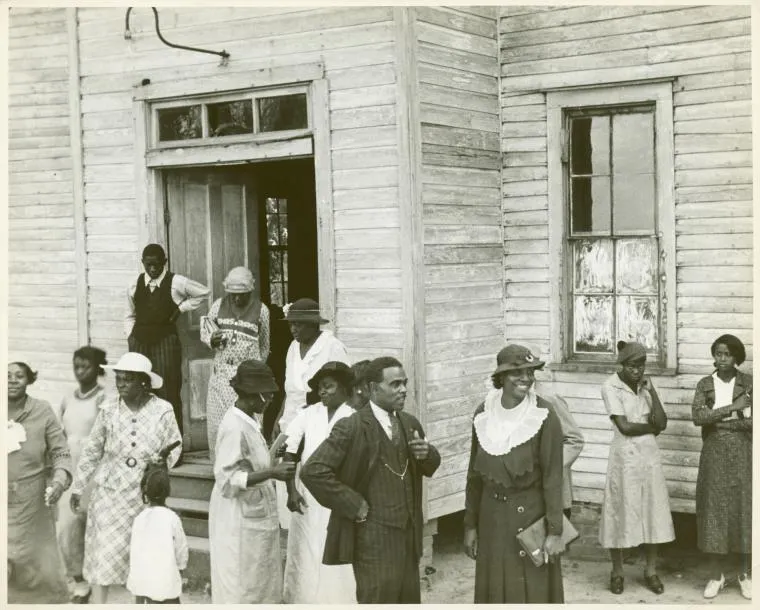
The Fine Print: The Black Church’s radical, loving rebellion
“The greatest commandment is to love one another, is to love God and to love your neighbor as you love yourself. And if that’s what we preach, then that’s what we have to live.”
Embrace Boston
The Fine Print: Confronting the racial wealth gap in Massachusetts
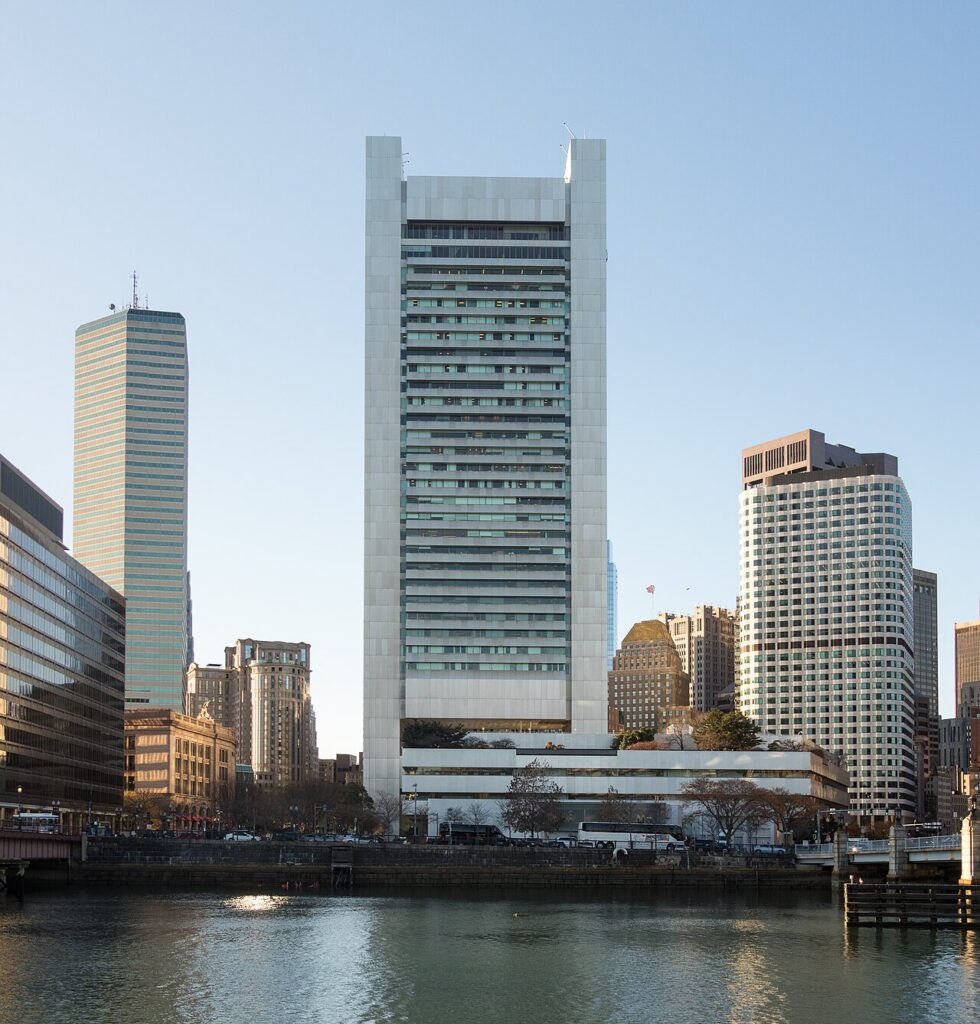
Embrace’s Imari Paris Jeffries traces the Federal Reserve Bank’s recently released estimated racial wealth gap back to its source: redlined lending, restrictive covenants, and a century of policy that determined who was allowed to own something long enough to pass it down.
Embrace Boston
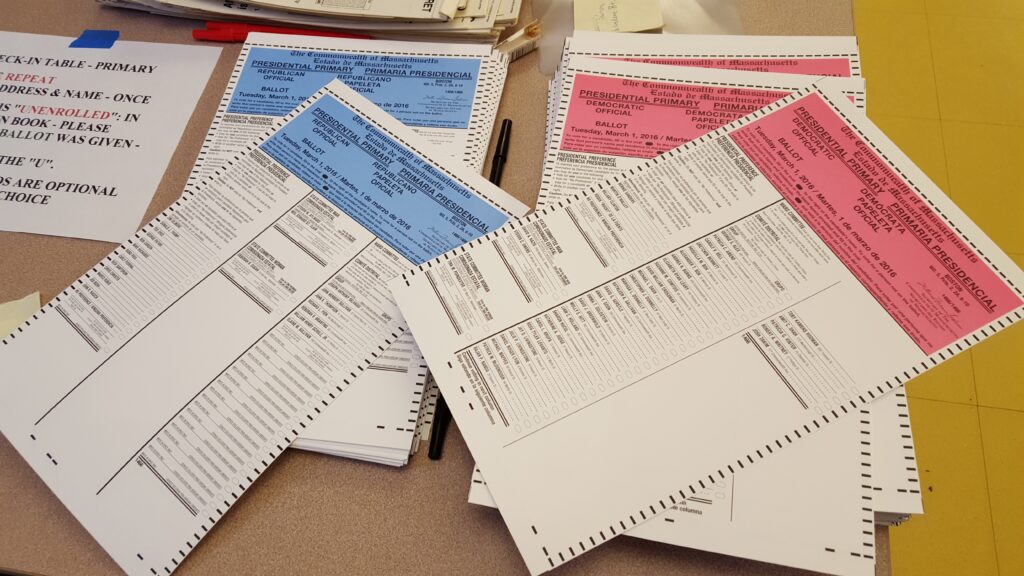
The Fine Print: Ballot Question 3 and the quest for a competitive democracy
“A democracy that has to answer to all of its people, not just the ones already inside the tent, is the strongest one we can build. Parties and candidates accountable only to themselves get weak, get complacent, stop listening. Accountability is what makes us stronger.”
Embrace Boston
The Fine Print: How Salsa became a radical tool for resistance
Music has never been just entertainment. For communities pushed to the margins, it has been a way to claim space and survive the constant pressure of othering. The rhythms born on plantations, in barrios, and in public housing projects carried stories that governments tried to erase but could never silence.
Embrace Boston
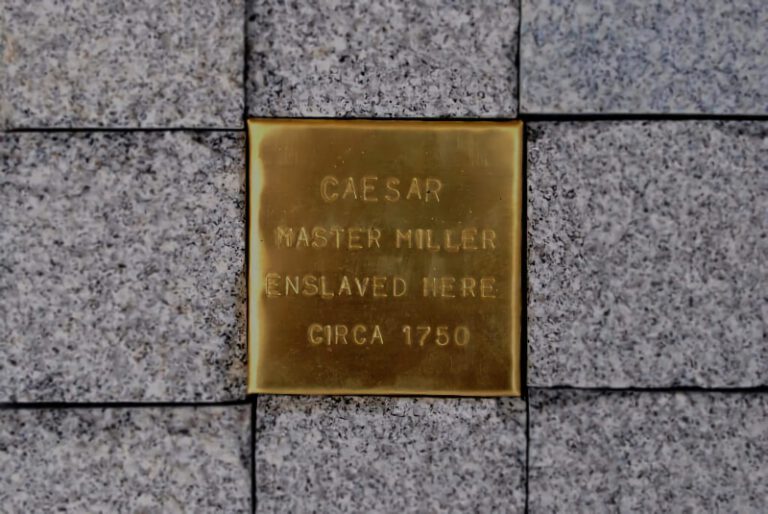
The Fine Print: Stopping Stones, slavery, and the radical re-telling of American history
Historic New England, with inspiration from the Stolpersteine memorials in Europe that honor victims of the Nazi regime, has a different mission: immortalize formerly enslaved people, too often voiceless and forgotten, as a way of reminding New England (and America) where we’ve been and how far we have still to go.
It is in its retelling that history becomes part of public memory—public memory is the successful transformation of history from a static record into a dynamic narrative that circulates among people in the present moment.