
Scholar In Residence
The Scholar in Residence program bridges academia and activism, grounding scholarship in lived experience and local context. Our resident scholars bring deep expertise and cultural fluency, producing research, convenings, and public works that sharpen our advocacy and enrich our understanding. Together, we’re building a body of knowledge that serves justice—not institutions—and equips our movements for the long haul.
The Embrace Scholar in Residence Program cultivates thinkers whose work expands our understanding of equity, history, and community. Rooted in our commitment to lift up rigorous, culturally grounded research, the residency supports scholars exploring new ideas, deepening ongoing projects, and shaping narratives that move Boston—and the nation—forward.
The program welcomes one cohort each year, offering scholars direct access to Embrace Boston’s team, archives, and partner networks. Residents collaborate with our organization to generate public-facing work, spark dialogue, and contribute to the growing ecosystem of ideas that guide our mission.
Meet this year’s Scholar in Residence.
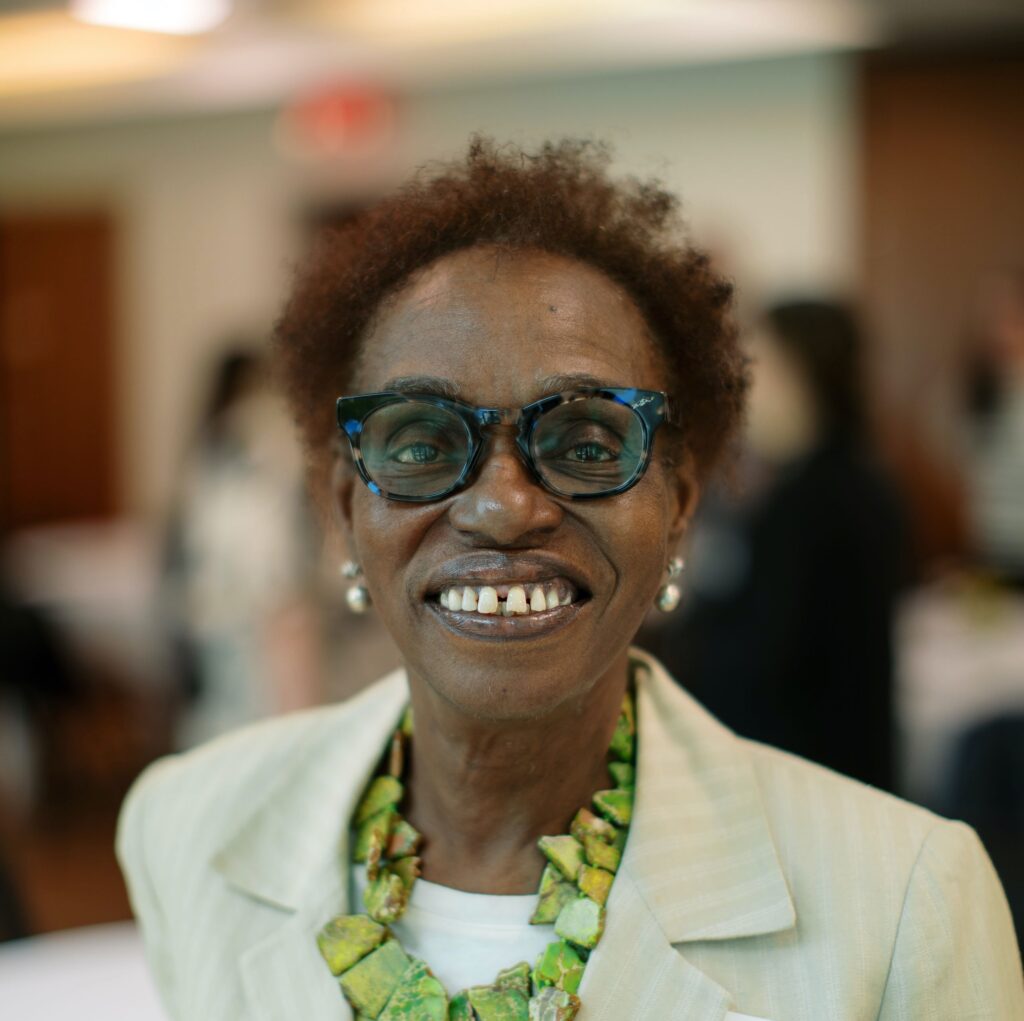

dr. Johnnie hamilton-mason
Alternate Style (Heading 2) Text
Dr. Johnnie Hamilton-Mason, Ph.D. M.S.W. is Associate Dean of Faculty Development for the School of Social Work and Professor of Social Work at Simmons University.
Add subtitle text (heading 3)
She is a nationally respected scholar of Black women’s leadership, mutual aid, and intergenerational resistance. A Fulbright Scholar and award-winning educator, she is also a Commissioner on Diversity, Social, and Economic Justice for the Council on Social Work Education, a longtime member of the National Association of Black Social Workers, and a member of the editorial board of the Journal of Social Work, the National Association of Social Workers’ flagship journal.
As a visiting scholar at Embrace, Dr. Hamilton-Mason has conducted archival research at the League of Women for Community Service (LWCS), that contextualizes the League’s founding during the Progressive Era and the nadir period following Reconstruction, a time marked by systemic racial oppression and significant societal transformation. By examining the League’s origins, she explores how African American women in Boston mobilized to create a vital space for community building, advocacy, and resistance. By unearthing and analyzing the contributions of the LWCS, she aims to highlight the enduring impact of these Bostonians on both local and national movements for equity and community empowerment.
Add a bold end statement.