The Fine Print: ‘Hunger is a policy choice’
Amara Donovan understands the pain and uncertainty many SNAP recipients are feeling right now. Because she’s been there herself.
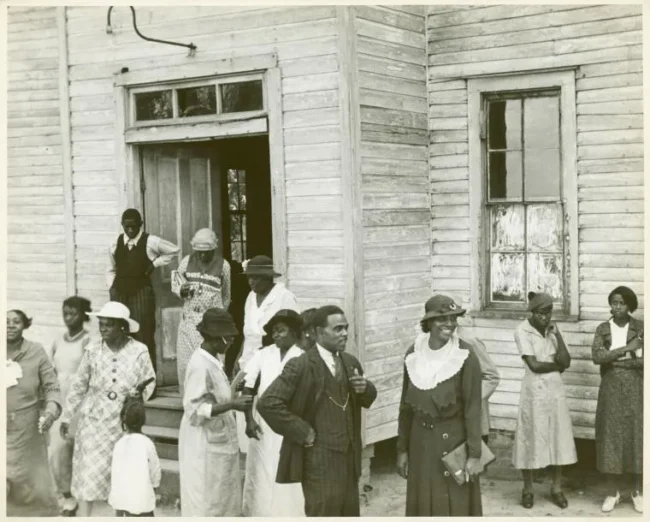
Fighting for civil rights every single day can be an exhausting task. But it’s a fight, Traci Griffith, Racial Justice Director for the ACLU of Massachusetts, says she’s “lucky” to take part in.
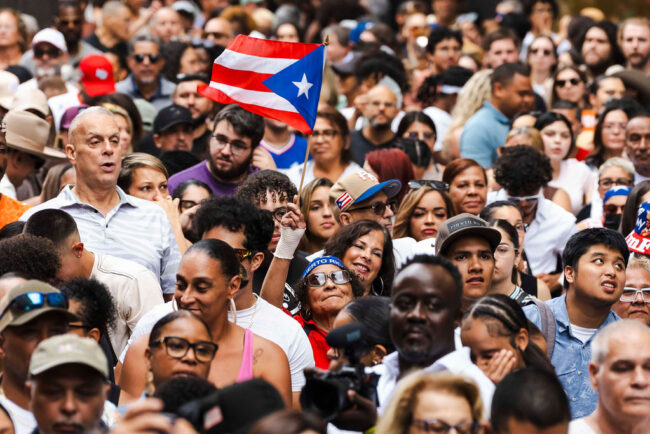
When Bad Bunny was announced as the Super Bowl LX halftime performer, backlash was immediate. Critics questioned his “American” identity despite his citizenship, sparking petitions, political commentary, and conservative pushback. As Gregory Ball explains, this controversy is not simply about music—it reflects a deeper struggle over cultural ownership and who has the authority to define what American culture looks and sounds like in 2026.
What happened at Saturday’s No Kings Day protests was democracy in action—and not just because an estimated 7 million people (approximately 125,000 at Boston Common, alone) collectively stood up to authoritarianism.
It is hard to write about Israel and Gaza. Hard because words stumble where pain reigns. Hard because truth, once spoken, too often finds itself drafted into war. Words are weapons. But still, I write. Because silence, too, is a weapon. Sometimes it is the most deadly.
Growing up, we all learned of Christopher Columbus sailing the ocean blue in 1492 and memorized the names of the Niña, Pinta, and Santa Maria. But while we know Columbus and his companions encountered and fought with the indigenous people they found here, we never truly committed to mind the horrors that Columbus and the conquistadors that came afterward inflicted on them. They simply ceased to be—their stories nonexistent and unimportant.
Imari Paris Jeffries, President and CEO of Embrace Boston, joins The Culture Show for his monthly segment “AI: Actual Intelligence.” This month we get his take on Bunny’s final concert in Puerto Rico, which Jeffries attended. It wasn’t just a performance — it was a homecoming and a moment of pride for millions across the diaspora. We’ll also get his take on the reaction that Bad Bunny’s Super Bowl halftime show is already generating
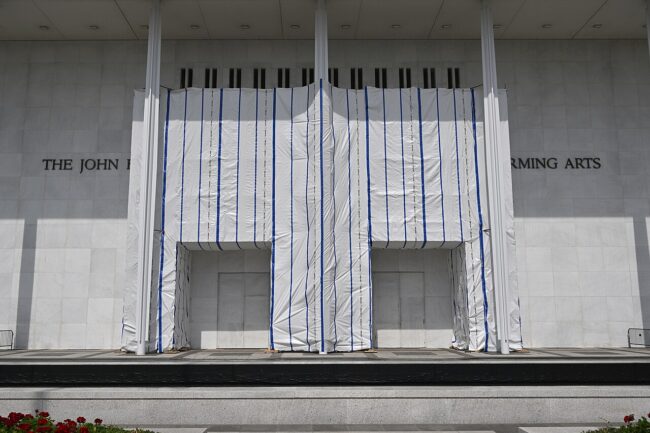
This is a test not just of our economy, but of our endurance. Because this current government shutdown is about democracy, not just dollars and cents.
We’re living through an overwhelming moment in American history. What are we supposed to do in the face of all that?