The Fine Print: Rage Against The Machine and the power of protest music
I didn’t realize it at the time, but buying the Evil Empire album by Rage Against The Machine when I was a junior in high school fundamentally altered my brain chemistry.
Coretta Scott King, who would’ve turned 99 years old this month, devoted her life to anti-war and anti-capitalist ideals. Those philosophies would make her an enemy of this current regime. And yet, we remember her as a hero who, along with her husband and countless others, brought this country closer to its truest ideals.
Last Saturday, America made history.
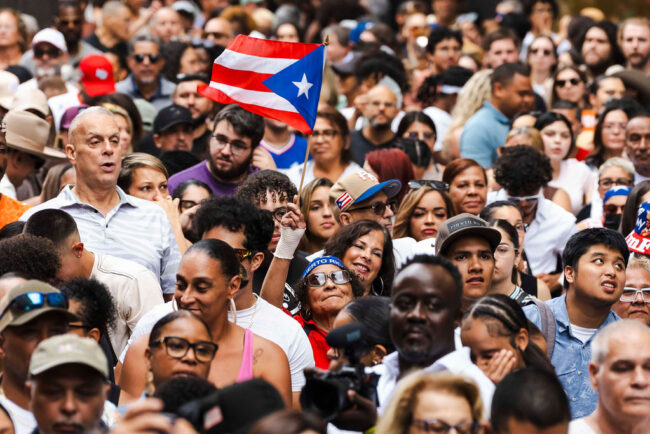
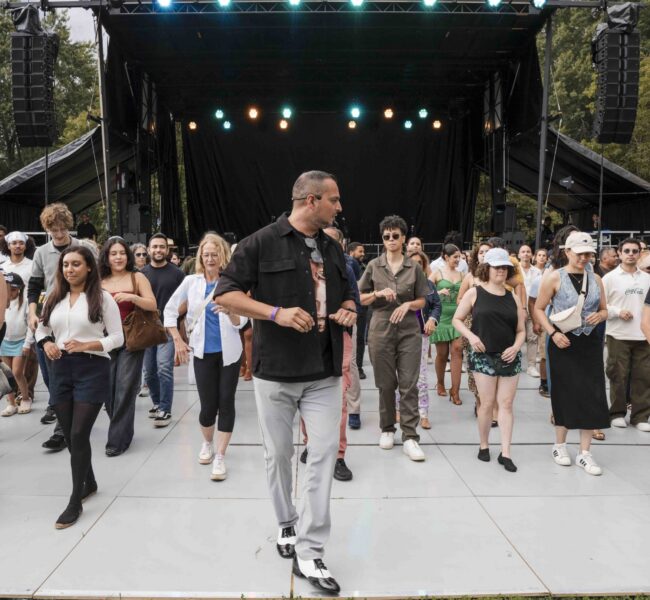
An estimated 8 million people took to the streets for No Kings rallies throughout the country as a protest against authoritarianism, war, and the erosion of our democratic systems.
You’re allowed to have things be new to you—like any student in class. You’re allowed to see this as new, and to learn and to grow. However, once you realize something is new to you, you have to acknowledge that it’s not new to everyone.
In a world where we ask technology to think for us—where time is money and everything has a price—we don’t just sacrifice knowledge. We also forfeit our capacity for empathy: our ability to understand and share the perspectives of others, and to think not just for our own good, but for the good of those around us.
Nikole Hannah-Jones asked a question heard around the country during her keynote speech at this year’s MLK Breakfast: “What will history say about you?”
As of this weekend, the United States of America has once again entered a state of war in the Middle East. Despite promises from this administration that no such thing would happen under its watch.
Each year, Martin Luther King Jr. Weekend asks more of us than remembrance. It asks for reckoning. It asks whether we are willing to move beyond comfort, symbolism, and soundbites—and into the harder, more hopeful work of building a society where everyone truly belongs.
Just as the late Reverend Jesse Jackson believed, Congresswoman Ayanna Pressley says our struggle to protect our rights and history is tied to our ability to dream of a better future.
The radical act of remembering Black history
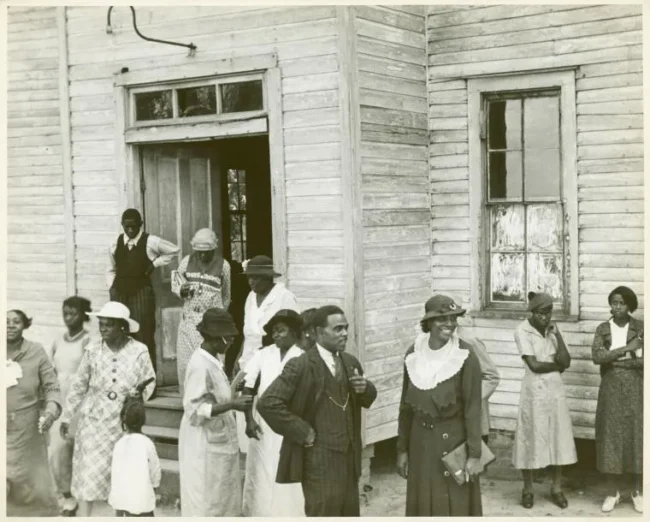
100 years ago on Saturday, Harvard-trained historian Carter G. Woodson, the “Father of Black History,” introduced the concept of Negro History Week after establishing the Association for the Study of Negro Life in Washington, D.C.
Less than a week later, we witnessed another.