

The Fine Print: Nikole Hannah-Jones holds a mirror to America
Nikole Hannah-Jones asked a question heard around the country during her keynote speech at this year’s MLK Breakfast: “What will history say about you?”
Nikole Hannah-Jones asked a question heard around the country during her keynote speech at this year’s MLK Breakfast: “What will history say about you?”
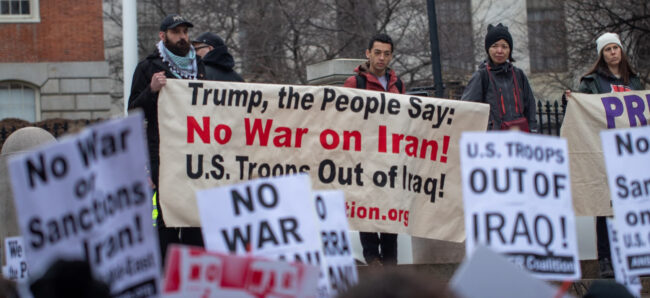
As of this weekend, the United States of America has once again entered a state of war in the Middle East. Despite promises from this administration that no such thing would happen under its watch.

Each year, Martin Luther King Jr. Weekend asks more of us than remembrance. It asks for reckoning. It asks whether we are willing to move beyond comfort, symbolism, and soundbites—and into the harder, more hopeful work of building a society where everyone truly belongs.
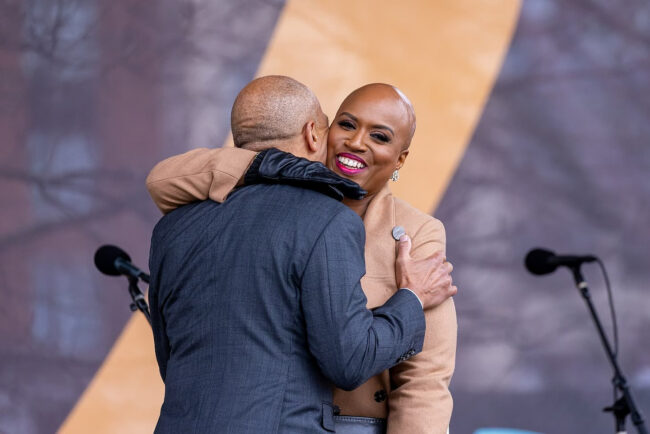
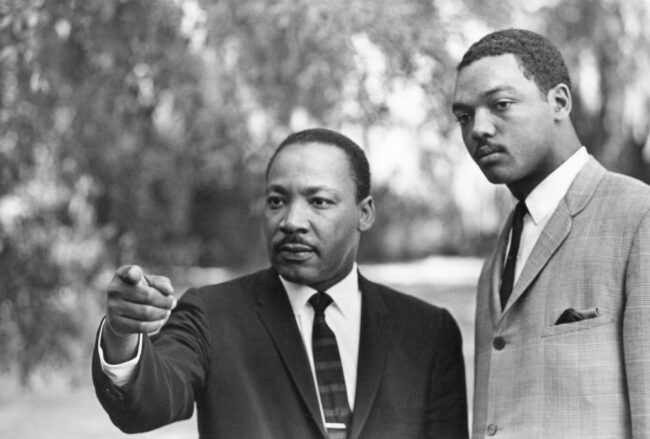
Just as the late Reverend Jesse Jackson believed, Congresswoman Ayanna Pressley says our struggle to protect our rights and history is tied to our ability to dream of a better future.
A population stuck in survival mode cannot organize, cannot protest, and cannot imagine an alternative. When hunger becomes normalized, it becomes far more insidious.
A population stuck in survival mode cannot organize, cannot protest, and cannot imagine an alternative. When hunger becomes normalized, it becomes far more insidious.
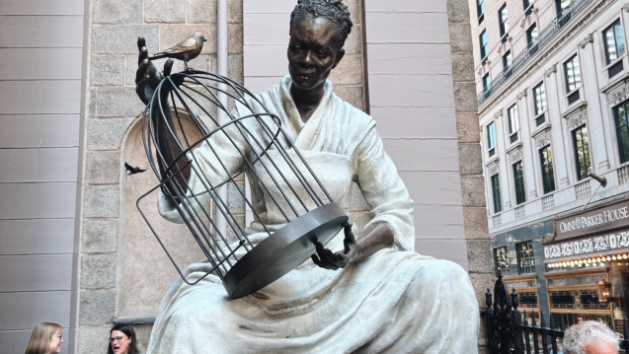
A plaque near a statue outside King’s Chapel, a staple of the Freedom Trail in the heart of downtown, tells a story as old as Boston itself.
The statue depicts an enslaved woman holding a birdcage. The cage is open, suggesting birds set free.
The plaque deepens that narrative.
The radical act of remembering Black history
100 years ago on Saturday, Harvard-trained historian Carter G. Woodson, the “Father of Black History,” introduced the concept of Negro History Week after establishing the Association for the Study of Negro Life in Washington, D.C.
Less than a week later, we witnessed another.
The radical act of remembering Black history
100 years ago on Saturday, Harvard-trained historian Carter G. Woodson, the “Father of Black History,” introduced the concept of Negro History Week after establishing the Association for the Study of Negro Life in Washington, D.C.
Less than a week later, we witnessed another.

Where’s the bottom?
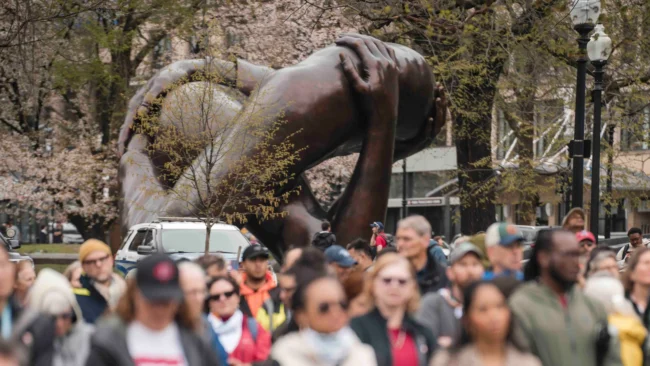
On Martin Luther King Jr. Day, Embrace’s President and CEO, Imari Paris Jeffries, Ph.D., said the following in an article he penned for USA TODAY about the killing of Renee Good by an ICE officer in Minneapolis: “Public lynching will now be televised. And America has learned how to watch.”
Less than a week later, we witnessed another.