The Fine Print: Building the map to the ballot and beloved community
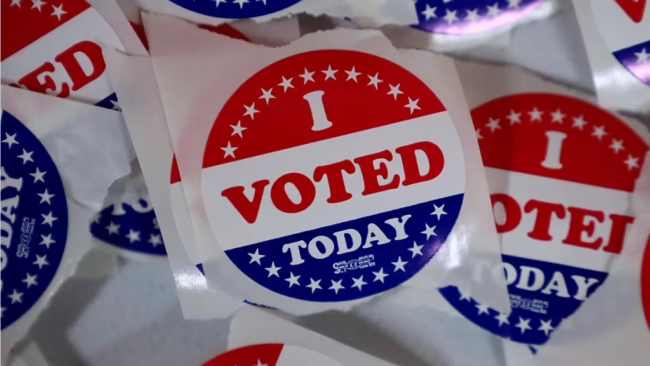
Now is not the time to bemoan how our votes don’t matter. It’s time to prove that they do, both by showing up just like we did in 2020 and fighting any attempt to stop us.
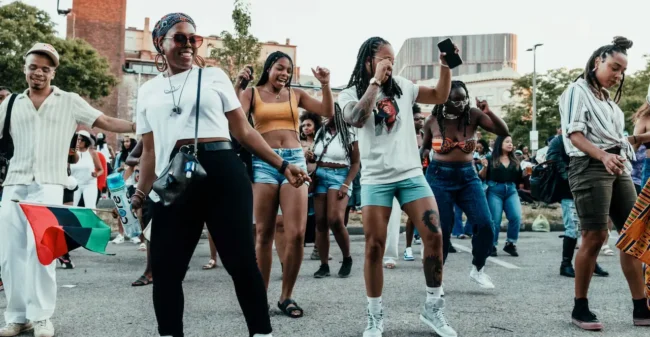
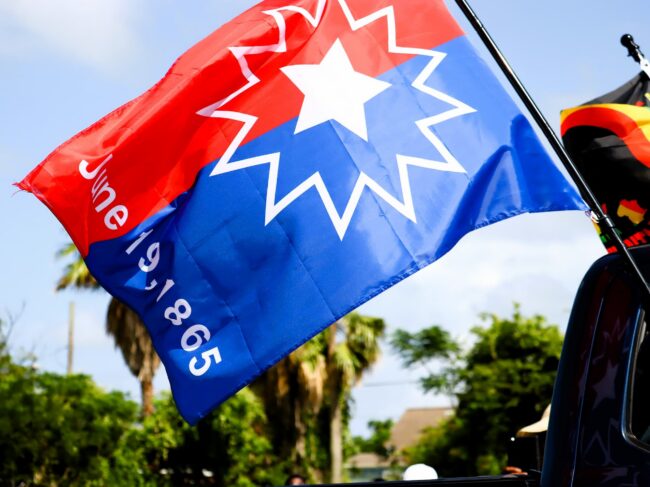
Juneteenth has passed, but our celebration of Black culture doesn’t end there.
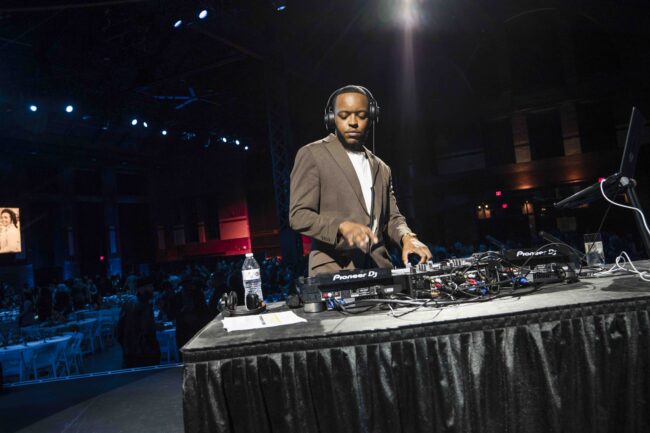
June also marks Black Music Month, first recognized under President Carter in 1979 to commemorate the multitude of ways Black music has shaped American life—its influence on popular genres like rock and roll and pop, its innovation and expression through hip hop culture, and its raw, radical messaging in the hands of truth-tellers like Billie Holiday.
The juxtaposition of how the United States has chosen to celebrate its 250th birthday is a perfect encapsulation of our current moment:
While introducing the Obama Presidential Center on the South Side of Chicago last Thursday, Former President Barack Obama didn’t use his time at the podium to call out the current president, address detractors, or stoke anger.
He did what he’s spent much of his career doing: trying to inspire hope.
Juneteenth has passed, but our celebration of Black culture doesn’t end there.
June also marks Black Music Month, first recognized under President Carter in 1979 to commemorate the multitude of ways Black music has shaped American life—its influence on popular genres like rock and roll and pop, its innovation and expression through hip hop culture, and its raw, radical messaging in the hands of truth-tellers like Billie Holiday.
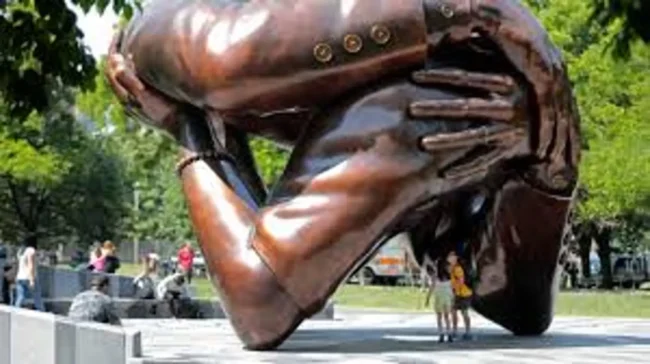
Nearly 100 years after formerly enslaved people in Galveston, Texas celebrated the first “Jubilee Day”—the holiday that would eventually become Juneteenth—Dr. Martin Luther King Jr. sat in a Birmingham jail cell waiting for freedom, having been arrested for protesting segregation in Birmingham in April of 1963.
Mildred Loving never wanted to be famous. She never asked to be remembered forever as half of the couple that struck down bans on interracial marriage. And after her husband Richard’s untimely death, she avoided the limelight. But in 2007, on the 40th anniversary of the landmark Supreme Court case that bears her name (Loving v. Virginia), she had one more thing she needed to say.
Malcolm never appeared in my school history books, and he wasn’t spoken of when the Civil Rights Movement came up. When I read about him on my own, it wasn’t hard to understand why. He didn’t play by the rules.
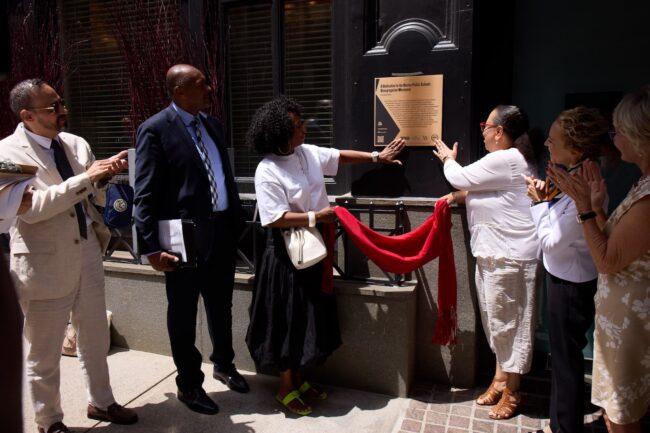
This month, Embrace Boston has been highlighting figures like Kivie Kaplan, the Boston businessman and former president of the NAACP whose fierce advocacy for civil rights earned him a place on the 1965 Freedom Plaza.
There are stories this country tells loudly, and there are stories it has too often asked Black people to carry in silence.
The story of Black American soldiers is one of courage, sacrifice, contradiction, and unfinished justice. Across generations, Black men and women have served a nation that did not always serve them back.