Hunger Is The Point
A population stuck in survival mode cannot organize, cannot protest, and cannot imagine an alternative. When hunger becomes normalized, it becomes far more insidious.
Words aren’t neutral. Voting maps aren’t neutral. Monuments aren’t neutral.
What we say and do, who we choose to remember, are not idle, meaningless actions. They reflect who we are and what we value. They always have.
There has always been a war on people considered “poor” in America.
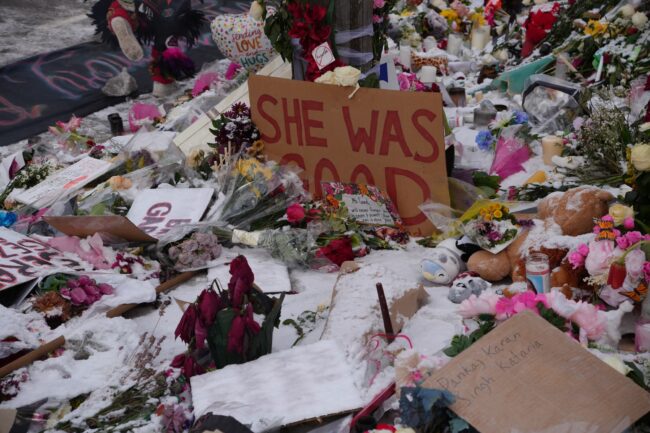
It is a quiet war, fought with red tape and policy, with silence and forgetting. Its casualties do not lie in foreign fields but on city corners, food lines and in empty refrigerators.
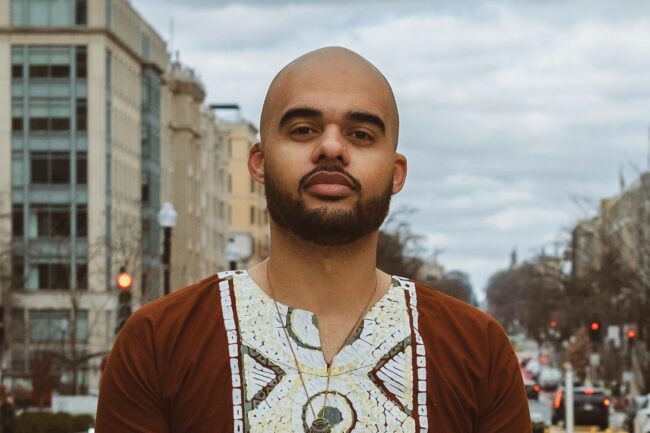
While millions of Americans gear up for Black Friday and Cyber Monday shopping sprees, Isaiah Rucker Jr. isn’t buying it.
Instead of big spending, he says it’s time to make a statement this holiday week.
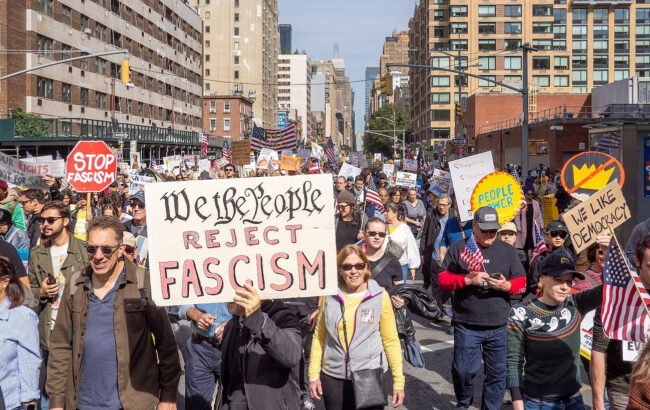
There are moments in life when you can almost hear the hum of democracy, when the air itself feels charged with the belief that the people might yet be sovereign.
We have lived through such moments before. I remember one not too long ago, when a tall, deliberate senator from the South Side of Chicago told us that “we are the ones we’ve been waiting for.”
The NFL and Roc Nation had just announced that Bad Bunny would headline the Super Bowl LX halftime show at Levi’s Stadium next February, and MAGA world (not known for their measured response) immediately lost it.
We’d watch news reels, Leni Riefenstahl’s propaganda films, then analyze how the Nazis weaponized misinformation and masked discrimination and segregation of immigrants under the guise of nationalism and protecting citizens from a criminal element and a national drain threatening their overall quality of life and the economy. Sound familiar?