The Fine Print: Quitting the system of cruelty
Every year, tens of millions of Americans struggle with food insecurity, many not knowing where their next meal will come from.
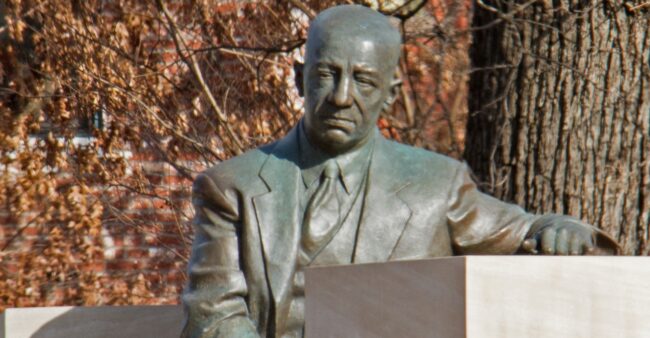
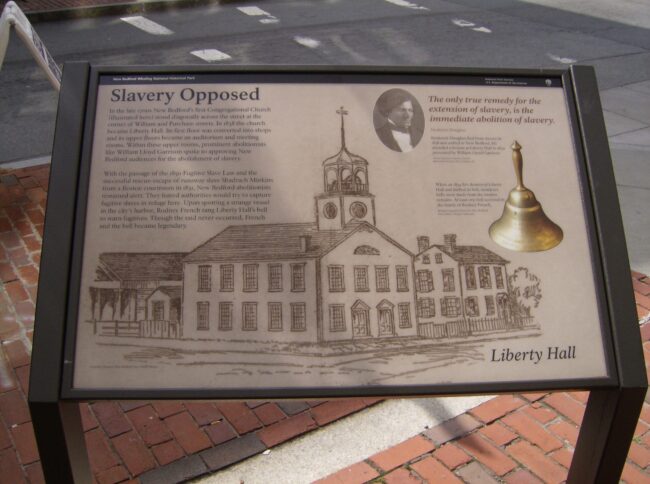
Words aren’t neutral. Voting maps aren’t neutral. Monuments aren’t neutral.
What we say and do, who we choose to remember, are not idle, meaningless actions. They reflect who we are and what we value. They always have.
There has always been a war on people considered “poor” in America.
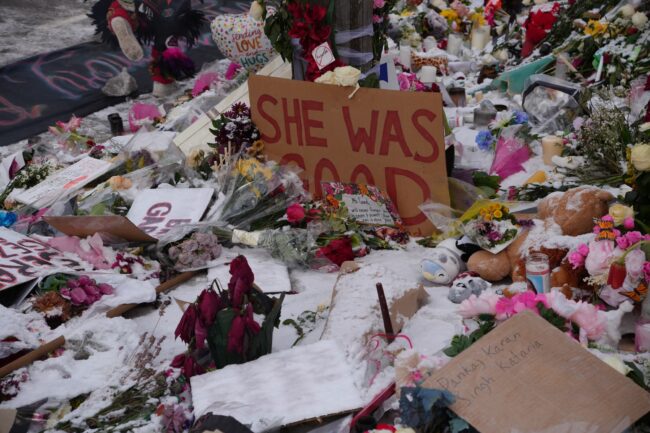
It is a quiet war, fought with red tape and policy, with silence and forgetting. Its casualties do not lie in foreign fields but on city corners, food lines and in empty refrigerators.
While millions of Americans gear up for Black Friday and Cyber Monday shopping sprees, Isaiah Rucker Jr. isn’t buying it.
Instead of big spending, he says it’s time to make a statement this holiday week.
There are moments in life when you can almost hear the hum of democracy, when the air itself feels charged with the belief that the people might yet be sovereign.
We have lived through such moments before. I remember one not too long ago, when a tall, deliberate senator from the South Side of Chicago told us that “we are the ones we’ve been waiting for.”
Amara Donovan understands the pain and uncertainty many SNAP recipients are feeling right now. Because she’s been there herself.
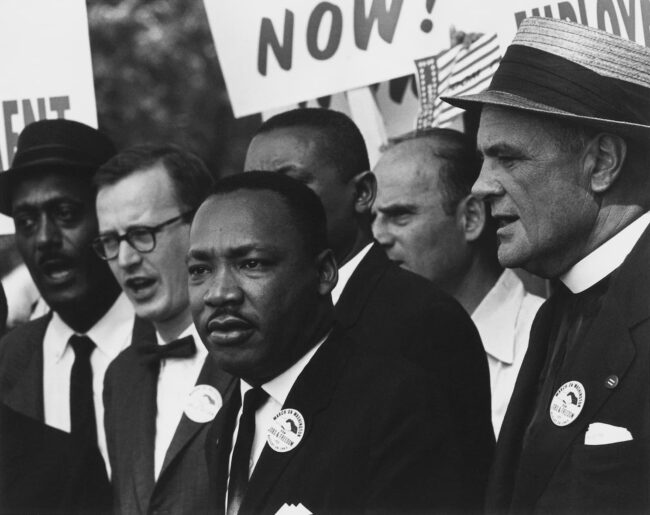
Fighting for civil rights every single day can be an exhausting task. But it’s a fight, Traci Griffith, Racial Justice Director for the ACLU of Massachusetts, says she’s “lucky” to take part in.
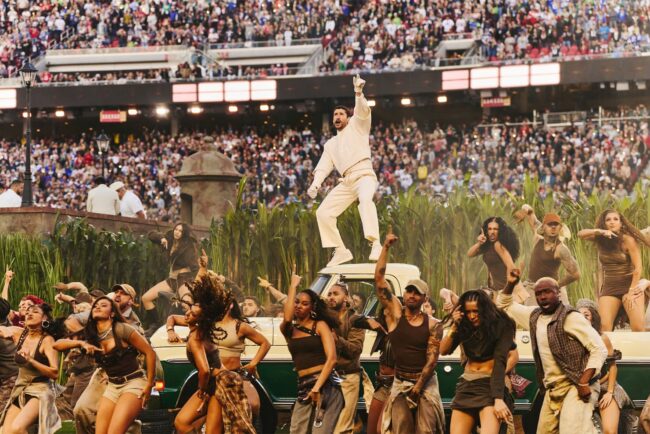
When Bad Bunny was announced as the Super Bowl LX halftime performer, backlash was immediate. Critics questioned his “American” identity despite his citizenship, sparking petitions, political commentary, and conservative pushback. As Gregory Ball explains, this controversy is not simply about music—it reflects a deeper struggle over cultural ownership and who has the authority to define what American culture looks and sounds like in 2026.
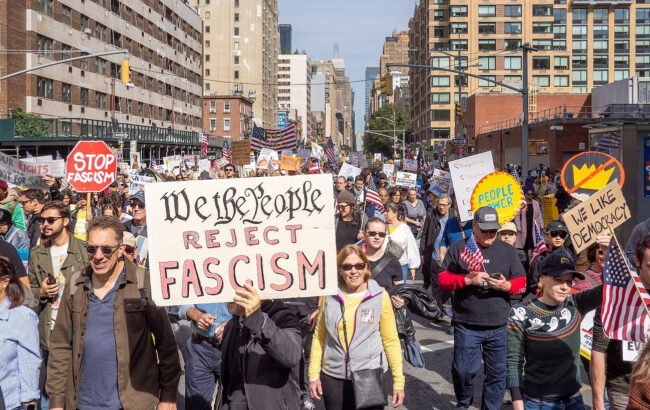
What happened at Saturday’s No Kings Day protests was democracy in action—and not just because an estimated 7 million people (approximately 125,000 at Boston Common, alone) collectively stood up to authoritarianism.
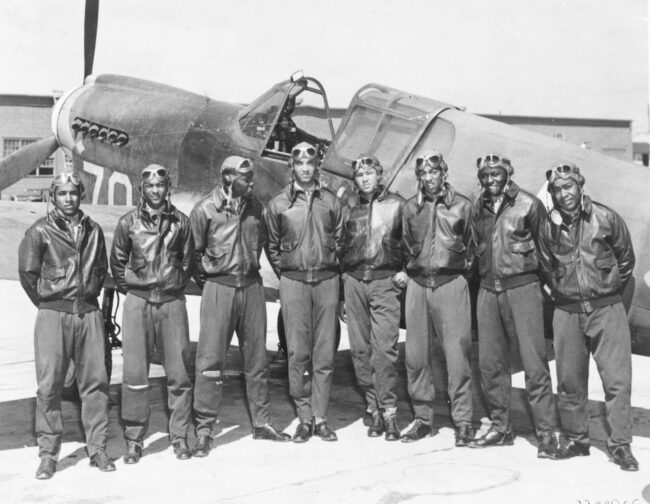
Growing up, we all learned of Christopher Columbus sailing the ocean blue in 1492 and memorized the names of the Niña, Pinta, and Santa Maria. But while we know Columbus and his companions encountered and fought with the indigenous people they found here, we never truly committed to mind the horrors that Columbus and the conquistadors that came afterward inflicted on them. They simply ceased to be—their stories nonexistent and unimportant.